I wanna believe Rachel Reeves, but I’m having trouble – and I think I’ve worked out why
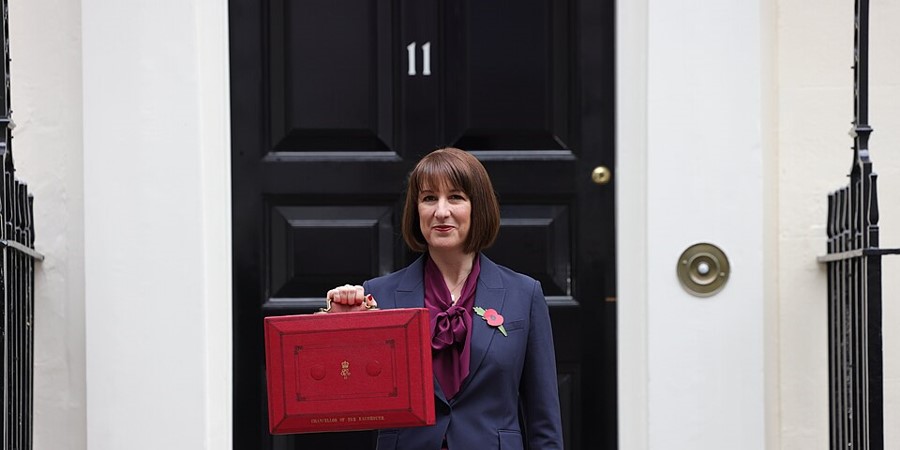
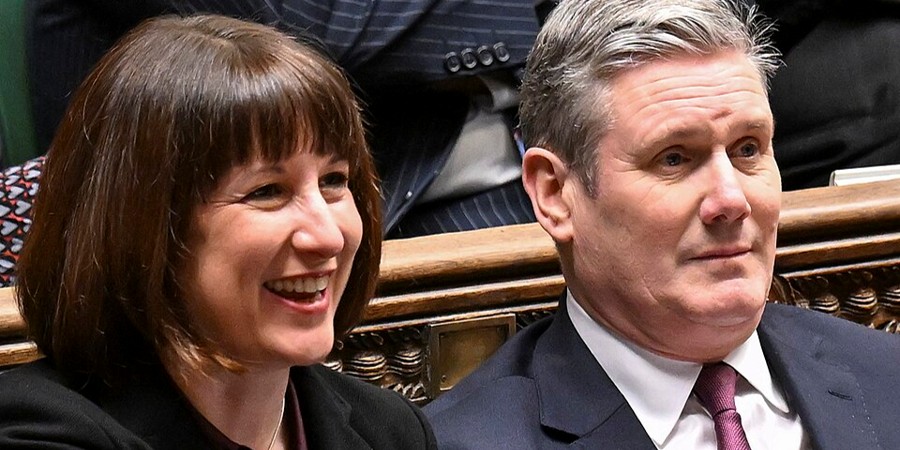
The Chancellor’s been out warming up the pre-Budget crowd, rolling through the usual lines: baming the last lot, talking about “hard choices,” and sprinkling on phrases like “fiscal discipline” and “responsible growth.” All the right noises. All the right notes. Yet somehow, the music’s wrong.
It’s not that she’s lying. It’s that it all feels unfelt. You can’t shake the sense that the words are coming from someone who manages a country rather than leads one. And that’s the heart of the problem.
We’re governed by people who sound competent enough, but who don’t inspire confidence — not in the public, not in the civil service, not even in the institutions that are meant to follow their lead. The whole show hums along on polite obedience rather than shared conviction. The civil servants comply, the quangos nod, the local government officers shuffle papers, and the public servants soldier on. But nobody’s following because nobody’s being led.
They can explain why pensioners’ benefits must tighten, but they can’t explain why workless benefits can’t. They can justify fiscal rules but not moral ones. The arguments are half-credible, half-hearted, and wholly uninspiring. It’s government by PowerPoint – tidy graphs, weak purpose.
How they got there
They didn’t win power through brilliance. They drifted into it through fatigue. After years of chaos and scandal, the country wanted quiet. Reeves and her colleagues offered it – calm, caution, and an aura of adult supervision. But quiet without direction is drift, and drift is where we are.
They rose not by inspiring, but by surviving. They learned how to avoid mistakes, not how to make change. They were selected by insiders, not propelled by voters. Britain got a government of administrators because the system now rewards those who can hold the line, not redraw it.
And that’s the bigger tragedy. Our political pipeline no longer produces leaders – it manufactures caretakers. The risk-takers, the visionaries, the rough-edged reformers are filtered out early for being “off message.” What’s left are the cautious, the compliant, and the career-safe.
So they govern without spark, manage without mission, and talk about “stability” as if that’s the same as success.
When management replaces leadership
Now, management should be a good thing – discipline, efficiency, competence. But in Britain, management hasn’t become a tool of leadership; it’s become a substitute for it.
Management says: “Let’s avoid mistakes.”
Leadership says: “Let’s do something worthwhile, even if it hurts.”
Management asks: “What’s the process?”
Leadership asks: “What’s the point?”
This government has mastered the former and forgotten the latter. They can run a department, but not a dream. They can deliver a report, but not a revival.
The managers have taken over the stage once reserved for leaders. Everything is cautious, procedural, endlessly reviewed. Vision has been replaced by “delivery frameworks.” Courage by “stakeholder alignment.” We’re watching a government trying to audit its way out of decline.
The way forward
The fix won’t come from another reshuffle or a fresh slogan. It has to begin with a moral reset – a return to leadership as conviction, not calculation.
We need people who’ll stop managing the country’s decline and start imagining its renewal. Leaders who admit that the big problems – housing, health, productivity, inequality — can’t be fixed by budget tweaks or procedural reforms. They need long-term national intent, not quarterly caution.
Rebuilding leadership also means rebuilding respect for those who actually keep Britain running – the teachers, nurses, police, engineers, soldiers, and civil servants who’ve been managed to exhaustion. Inspire them and they’ll move mountains; manage them and they’ll quietly clock out.
And yes, it means breaking the cult of managerial politics. Stop promoting those who never offend; start elevating those who actually believe in something. Leadership demands risk. It demands the willingness to be unpopular.
Who can lead next
The next real leaders won’t come from the party machine. They’ll rise from the edges — people who’ve had to deliver in the real world, not just perform in Westminster.
They’ll come from the civic frontier: the reforming mayors, the headteachers who’ve built communities, the NHS leaders who’ve held the line under impossible pressure. From business too – but not the corporate boardroom. From the builders, manufacturers, and small entrepreneurs who’ve had to make the numbers work without losing their nerve.
They’ll come from culture – writers, artists, comedians, campaigners – anyone who can tell the truth and make people feel it. Because storytelling is leadership too, and this country has lost its story.
And they’ll come from every generation: young people who haven’t yet learned cynicism, and older ones who’ve seen enough to know what matters. The quality that binds them isn’t age or ideology, but authenticity.
The next leaders won’t need to declare themselves. We’ll know them when we hear them – because they’ll sound like they actually live here.
We’ve had enough of being managed. Britain doesn’t need another spreadsheet. It needs a soul.