
Concern over Russia’s drone-related threat to Europe prompting £142m investment boost
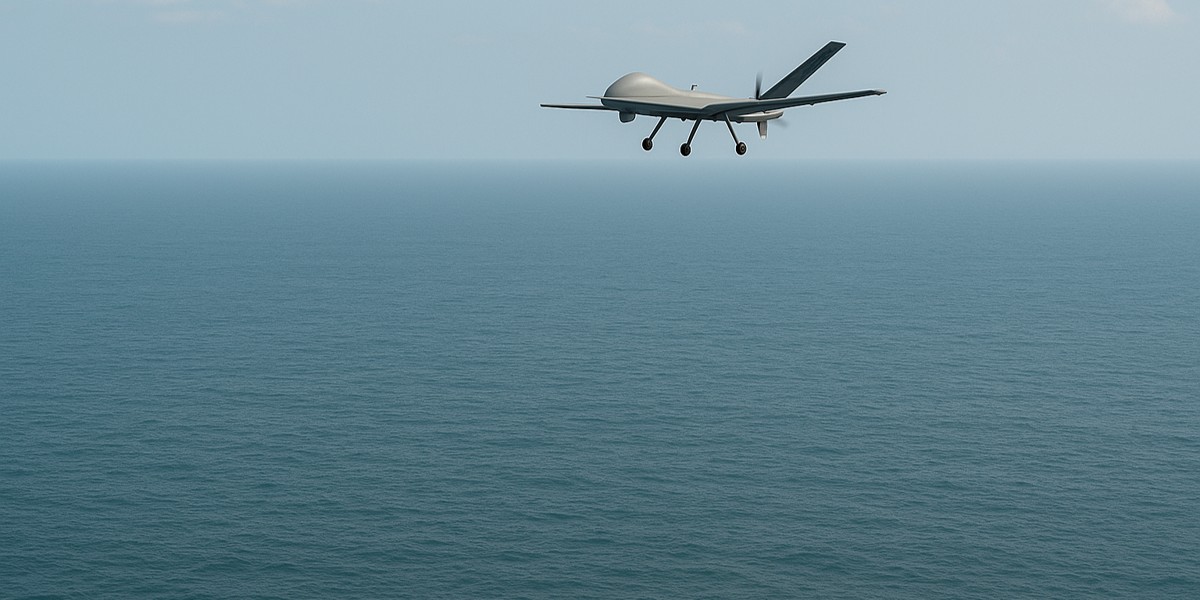
Britain’s Armed Forces are accelerating their innovation in drone and counter-drone technologies amid growing concern about Russia’s capability in this area.
The £142 million slug of additional government funding will help small British defence firms grow at pace, ministers say.
UK Defence Innovation (UKDI), a new body launched earlier this year, is injecting the cash into drone and anti-drone systems.
Around £30 million of that funding will be directed towards counter-drone technologies designed to protect the UK homeland and allies.
UKDI was launched in July by Defence Secretary John Healey to act as the Ministry of Defence’s central hub for innovation.
It is backed by a ringfenced annual budget of at least £400 million and uses faster, more flexible contracting approaches to help British companies rapidly scale up promising prototypes.
The first wave of drone investment will support a broad range of organisations, including 20 British small and medium-sized enterprises, 11 micro-SMEs and two UK academic institutions, though many firms involved have not been publicly named.
Decisive shift in UK defence policy – learning from Ukraine
Healey said the funding marked a decisive shift in defence policy.
“After years of hollowing out and underfunding, I am determined to put Britain’s Armed Forces, and British businesses, at the leading edge of defence innovation,” he said.
Lessons from the war in Ukraine have made rapid investment unavoidable, warning that “Russia’s continued bombardment of Ukrainian civilians and their grey-zone drone incursions across Europe show why this drone drive is so urgent,” he added.
The investment delivers on commitments in the Strategic Defence Review, which called for the UK to adopt emerging technologies such as drones and unmanned systems to maintain a leading role within NATO.
Among the projects funded this year is more than £25 million for “Excalibur”, a new uncrewed, AI-enabled Royal Navy submarine unveiled recently in Portsmouth as part of the Atlantic Bastion programme.
Aim for UK to be the best place in the world to start a defence business
A further £20 million will support the development of additional laser weapons to complement the DragonFire system, which is due to be installed on Type 45 destroyers from 2027, creating or sustaining nearly 600 jobs.
Other investments include £7.5 million for a full-sized autonomous helicopter, £12 million for a collaborative uncrewed air vehicle, and £5 million to seed prototypes for autonomous land platforms.
The government said the programme sits alongside its Defence Industrial Strategy, under which the UK aims to become the best place in the world to start and grow a defence business.