UK must become more pro-tenant – or risk losing its soul completey
Regeneration has become a confidence trick. We dress buildings in the language of culture and community, then quietly destroy the people who create it.
At street level, where cities actually live or die, independent cafés, pubs and restaurants are expected to animate places, attract staff and carry economic risk while landlords and agents retain legal dominance, rent leverage and the power to end livelihoods overnight.
This is not a story about market forces or unfortunate failures. It is about a system that extracts value from tenants, criminalises vulnerability and then acts surprised when our city centres feel hollow, hostile and temporary.
Above the pavement, everything looks the same
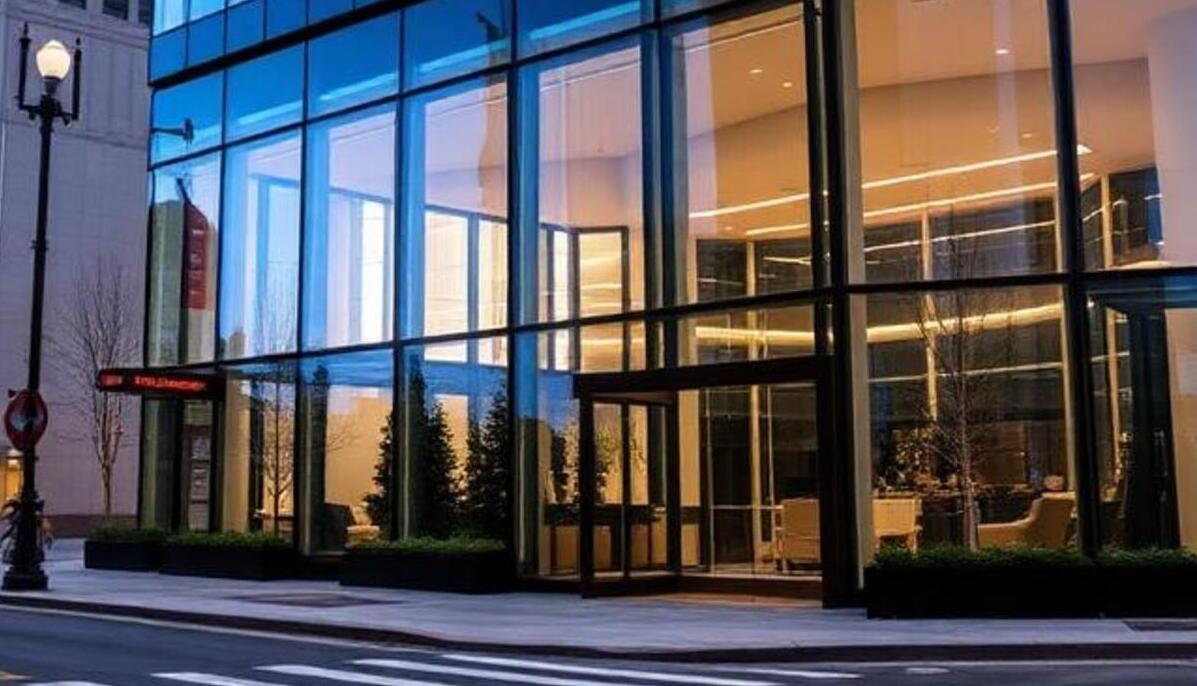
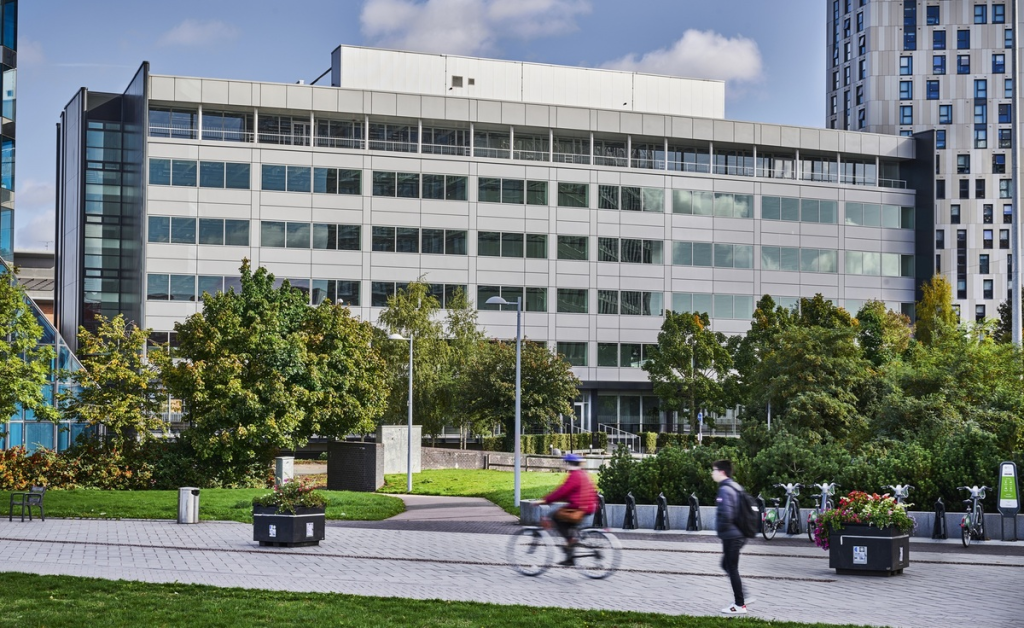
Office space above ground level has become interchangeable. Glass, steel, breakout zones, bike racks, a few slogans about collaboration. Flash it up as much as you like – it does not create a place. It creates lettable square footage.
What determines whether a building thrives or fails sits at eye level. The ground floor is where people arrive, linger, work late, eat, drink and decide whether a place feels human or transactional. It is where staff decide whether they want to work there and whether they want to stay after six.
Control the ground floor and you control the entire ecosystem above it. Ignore it, and everything else becomes cosmetic.
Ground floors are not yield units – they are culture engines
Affordable rents at street level are not charity. They are strategy.
Independents, small food operators and pubs that know how to anchor a neighbourhood do not just sell products. They create atmosphere, safety through presence, and the social glue that turns a development into a destination. They carry risk every day so landlords can point at “vibrancy” in investor decks.
Yet they are treated as expendable.
Short leases, upward-only rent reviews, punitive break clauses and zero tolerance for fluctuation are not neutral commercial tools. They are mechanisms of control. They prioritise immediate extraction over long-term value and then dress the outcome up as market reality.
The legal imbalance is not accidental – it is the point
Commercial property law already sits heavily on the landlord’s side. If problems arise, a tenant can be locked out of their own premises with startling ease. Goods can be seized. Stock, equipment and sometimes the very tools of the trade are removed or held as leverage. This can happen without the sort of court process most people would recognise as due.
This is not a last resort. It is a standing threat.
Every independent operator knows it. Every decision they make is shaped by it. One bad month, one energy shock, one delayed payment, and the response is not dialogue but enforcement.
On top of this comes the normalisation of rent demanded up front. Three months. Six months. Sometimes more. All justified with talk of risk management, as if the landlord were the vulnerable party.
Let’s be honest. This is landlords shifting risk onto businesses already carrying all of it. Staff wages. Energy bills. Stock. Compliance. Insurance. Everything that can go wrong sits with the tenant. The landlord demands advance payment and calls it prudence.
It is not prudence. It is an extraction.
Fear is not a foundation for places
This legal and financial overhang shapes behaviour long before any dispute arises. Tenants do not invest because they fear sudden rent hikes. They do not experiment because failure is punished disproportionately. They do not speak up because the consequences are asymmetrical.
So places stagnate.
Independents leave.
Chains, with balance sheets and lawyers, move in.
Then everyone wonders why ground floors feel soulless and identical.
This is not a mystery. It is the predictable outcome of intimidation masquerading as professionalism.
The agent problem
Too many commercial agents behave as if their role is to keep tenants in line. They act like enforcement officers with calculators, uninterested in the lived reality of the businesses paying their fees. They hide behind lease clauses instead of exercising judgement. They talk about “what the lease allows” rather than what the building needs.
If your default response to difficulty is to recite enforcement options, you are not managing an asset. You are rehearsing a threat.
A competent agent understands that long-term occupancy by independents and pubs that act as social anchors is more valuable than churn. A good agent pushes back on landlords who want to squeeze until failure. A lazy one reaches for the nuclear option first and calls it rigour.
Acting like an accountant on steroids does not make a building successful. Adopting values does.
Entrepreneurs are not always the good guys
There is an uncomfortable truth here too. Many property owners are just as dull and systematic as the agents they hire. They despise their tenants, mistrust creativity and listen only for the sound of a cash register timing up the next rent review.
They talk about community while engineering instability.
They talk about placemaking while pricing it out.
They talk about long-term value while chasing short-term yield.
Then they act surprised when buildings feel dead.
If you do not want to listen to tenants, if you view them as obstacles rather than partners, you are not a steward. You are a rent collector. And rent collectors do not build places. They hollow them out.
A pro-tenant approach is not soft – it is disciplined
This is not about indulging failure or ignoring commercial reality. It is about recognising where value is actually created and protecting it.
A pro-tenant ground floor looks like this:
- Rents set to sustain businesses, not test endurance
- Lease terms that reward longevity, not churn
- Real dialogue, not instructions
- Enforcement powers used sparingly, not casually
- Protection for independents and pubs that anchor culture
- Acceptance that operational risk sits primarily with tenants
This is not radical. It is overdue.
The order matters
Landlords like to pretend that thriving places follow rising rents. The truth runs the other way.
Buildings do not thrive because rents go up.
Rents go up because buildings thrive.
That thriving is created by the people on the ground floor who take the risk, open the doors and make places feel alive. Intimidate them, and you kill the goose while arguing about the price of the eggs.
The challenge
If landlords and agents want buildings that last, they must stop relying on legal dominance and start practising stewardship. They must accept that the law already favours them and choose restraint instead of aggression. They must stop confusing obedience with success.
Tenants are not the problem to be managed.
They are the value being harvested.
Until that imbalance is acknowledged and corrected, all the talk of regeneration, vibrancy and community is just branding over extraction.