
Energy price caps and changes to VAT, business rates and minimum wage – all requests ignored in the Budget
Self-made business owner Lydia Papaphilippopoulos employs 55 people across her growing network of bakeries and restaurants in the West Midlands.
While the Warwick Street Kitchen, in Leamington, the Warwick Street Kitchen Bakery, in Warwick, Saint Kitchen, in Birmingham’s Jewellery Quarter, and (opening next week) Saint Kitchen in Stirchley, Birmingham, are popular spots for local people in need of quality food and a caffeine hit, to Lydia they represent eight years of hard graft, passion and personal risk.
‘I worked my ass off to get here’
“I opened with four team members eight years ago, and I have organically grown and worked my ass off to get here,” Lydia tells WM News.
“It’s an industry I love. I’m so passionate about it. I’m disappointed that I’ve used my voice so much to speak to MPs and people government, and it just hasn’t been listened to.”
Disappointed by the Budget – ‘They take us for granted’
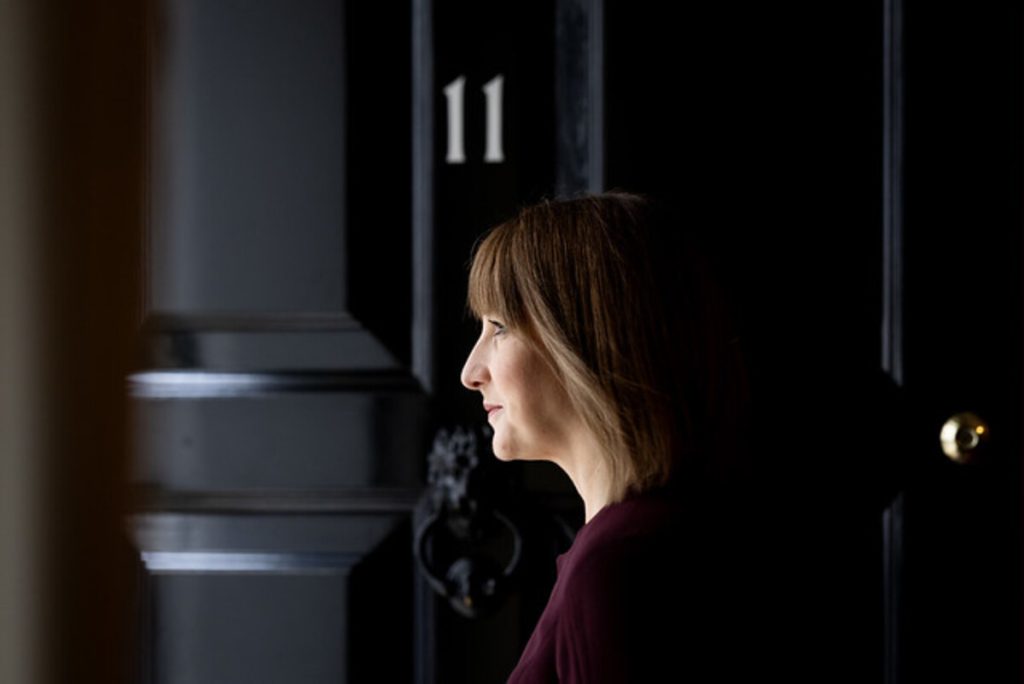
It’s fair to say Chancellor Rachel Reeves’s long-awaited Budget, delivered in the House of Commons on Wednesday, has left Lydia fuming.
“I feel like this Budget proves the government does not place any value on the hospitality industry or the hospitality sector. It completely takes us for granted as an employer, as members of the community and what we bring to the community. I’m disappointed,” she says.
Earlier in the year Lydia went down to the House of Commons to speak to the Business and Trade Committee. Despite lots of nods and pledges of support from parliamentarians to campaign for energy price caps, reduced VAT levels for the hospitality sector, in line with countries like Germany (7% VAT), and business rates reform, none of these featured in the Autumn Statement – to Lydia’s annoyance.
‘Energy price caps would benefit everybody’
“I was invited to talk them. I was on a panel with people like UK Hospitality, telling them what they needed to do to help the industry,” she says.
“We talked about energy prices and the power that the government might have to cap them. That wouldn’t just benefit business – it would benefit everybody.
“In an economic cycle, if people have more cash because they have spent less on their energy bills, they can go out and spend more in the economy. They can buy another coffee. They can go out for another meal.
“It not only helps hospitality on a surface level because it helps us save money on our energy bills, but it also helps the economy in general. It’s a no-brainer.
“Despite having some really positive conversations with MPs at that committee, it doesn’t even get a mention it in the Budget. Wild.”

‘Business rates need a complete overhaul’
Successive governments have promised to reform business rates. This week, once again, words failed to become action.
“It is an archaic system. Someone needs to completely overhaul it,” Lydia says.
“And 5p off is a joke. It doesn’t even touch the sides. It won’t even balance out the next minimum wage increase come April next year. They’ve tried to nod to hospitality, but it’s just lip service.
National minimum wage and rising taxes
“I am all for a really meaningful national minimum wage. But the problem is that, combined with all the other rising costs and all the other taxes that we are subjected to, it just makes the cost of business unmanageable in a lot of cases.”
Lydia knows several hospitality business owners who regularly go unpaid at the end of the month. In those circumstances, rather than creating new jobs and expanding, the mind of a company boss inevitably turns to how to cut costs, including staff.
‘Your part-time pot-washer gets paid – but you, the business owner, don’t’
“They are prioritising their people, which they should, but a situation where your weekend part-time pot-washer gets paid more than the business owner is crazy.
“As a business owner, I do feel completely disincentivised. Hiring, training and upskilling the next generation is just becoming harder and harder. It’s stealing a lot of the joy out of what I do.
“I love hiring 16- 17-year-olds and then seeing them grow. One of my general managers now is someone that I hired when she was 16 and she’s been with me for four or five years. But I just can’t see that kind of relationship and that kind of career path being realistic anymore.
The cost of doing business, including VAT
“I’ve been in the industry 25 years and I’ve owned a business for eight years. Today it doesn’t even resemble the business that I first started in terms of profit margins.”
Energy prices would have been an easy win, says Lydia, “but the big one is VAT” – something the hospitality industry has been calling out for years.
Look at Europe: Lower VAT rates for the hospitality sector
“The UK needs a completely new VAT system for hospitality. You go to many other countries in Europe and VAT on food is much lower: 12% in quite a lot of Europe, including just 7% in Germany from January. We as an industry have been screaming this for years. Pay attention to Europe, pay attention to other countries with really strong economies.”
Lydia’s recommendation to the Business and Trade Committee to lower VAT for the hospitality sector by 4% or 5%, bringing it closer to other parts of Europe, was met with “lots of nods and understanding,” she says.
“There were lots of promises – ‘Oh yes, we will campaign for this on your behalf’ – but again, not even mentioned in the Budget.”
So, there you have it. If Rachel Reeves or anyone else in the corridors of power is listening, that’s how you repower the hospitality sector – and possibly the wider UK economy. Anyone listening?