
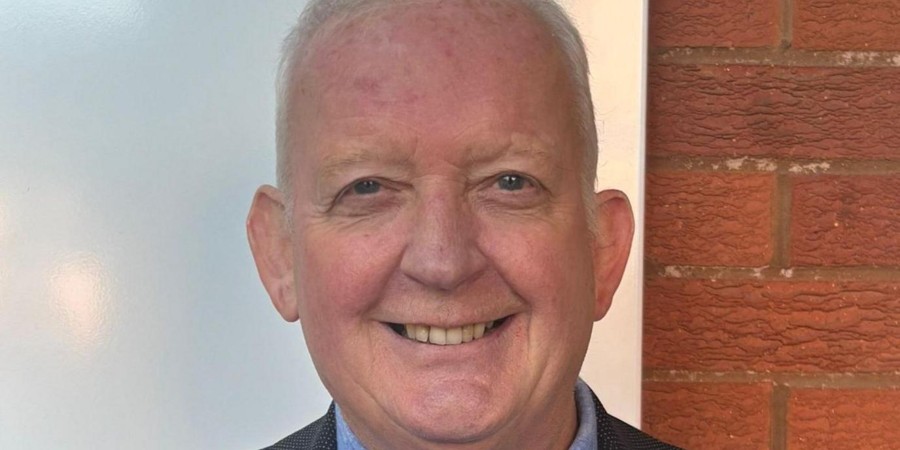
Reform UK has won their first seat in Scotland following the Whitburn and Blackburn by-election for West Lothian Council.
SNP come second
The SNP missed out on securing the seat by 150 votes, with Reform UK securing 1,177 votes and the SNP candidate securing 1,028. It comes as the SNP’s ratings in the polls decreased before plateauing after the last Scottish Parliament election.
The party is currently polling at 35% with Reform UK polling in second at 18%, according to the most recent poll by Ipsos.
Traditional parties fall behind
Both the Labour Party and the Conservative Party failed to mount a competitive challenge in the by-election, with the Labour Party falling into third place and the Conservatives falling into an unprecedented fifth place, in a ward they had previously represented.
The election reflects a continued trend away from traditional, centrist parties toward populist parties. A trend that has continued in the Scottish Parliament since Labour lost control in 2007.
With the wider constituency currently being home to a Labour MP, fears of the seat changing hands in the 2029 general election are likely all too real for the Labour party, with the SNP and Reform UK surging in vote share.
What this means for Scotland
For the SNP and Labour, the Reform win will serve as a stark warning of what is yet to come. It indicates that Reform is resonating with voters on not just a national level, but also on a local level. With Reform UK’s ratings climbing in polling for the next Scottish Parliament election, both Labour and the Tories look set to be pushed aside.
Meanwhile, for the Liberal Democrats, which performed particularly well in the general election last year, the by-election also serves as a warning that their Scottish successes may in fact be short-lived, with Reform, seemingly, taking votes from all other parties.
Turnout expectedly low
As expected in a local election of this kind, the turnout was particularly low at merely 22.2% – with 3,675 of the 16,764 electorate turning up to cast their vote for their local representative.
An important note
It’s important to note that when we analyse by-elections like this and use them as a sample of public opinion that they are not a true representation of national public sentiment and do not reflect the actual views of people across Scotland. But they do serve as a snapshot as to how the electorate’s position is changing.
Local issues can affect local elections, and in this case, with a local candidate winning 484 votes – that’s enough that could’ve been taken from the SNP to change the outcome of the election entirely. If that local candidate ran a campaign on local issues, they could’ve taken votes from across all other parties.
A quick summary
Though the election cannot be used to definitively determine where support lies with the Scottish electorate, it marks a very pivotal moment in Scottish politics and shows that Reform UK can perform well in areas of Scotland where it may have been less expected.
With relatively high poll ratings, an election victory and 14 councillors under their belt, Reform UK is slowly gaining the tools and momentum it needs to get a hold in Scotland. Control of the Scottish Parliament may seem less feasible at this stage, but with public support for the SNP, Labour and the Tories either plateauing or falling, one question remains: will Reform UK fill the gap for disillusioned Scottish voters?