Inside Nigeria’s worsening school kidnapping crisis
The kidnapping of more than 300 Nigerian schoolchildren is not just another flashpoint in a troubled region; it is a brutal reminder of a crisis the world has allowed to slip from its conscience.
A decade after Chibok, we are here again: terrified families, missing children, unanswered questions. The names of towns change – Chibok, Dapchi, Papiri, Maga – yet the story remains horrifyingly consistent. Children taken. Parents waiting. Governments scrambling. International attention flickering in and out like a faulty bulb.
But this cannot continue. And the world must understand why.
A crisis that thrives in the dark
For years, armed groups in northern and central Nigeria have built a thriving criminal economy on kidnapping. These are not ideological warriors or religious zealots in this context; these are opportunists, bandits, and entrepreneurs of chaos. They snatch children to extort governments and families, hold them for weeks or months, demand fortunes, and melt back into forest hideouts.
Analysts long feared it; now it is undeniable: kidnapping has become one of the most profitable industries in parts of Nigeria.
And industries only grow when the world stops paying attention.
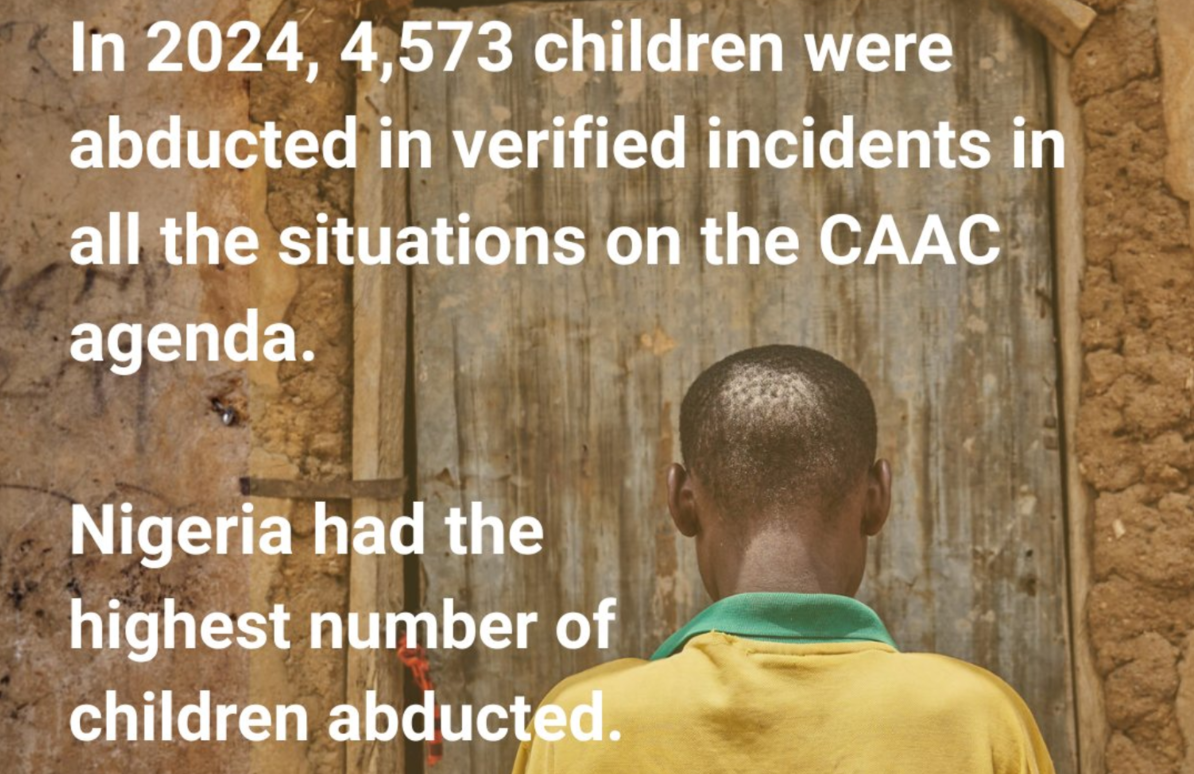
More than 1,400 students have been kidnapped since 2014. This latest attack, snatching boys and girls aged 10 to 18 along with a dozen teachers, is the thirteenth mass school kidnapping in just over a decade. Fifty children have escaped, but more than 250 remain in captivity. Without pressure, without scrutiny, without the unrelenting glare of global media, this number will rise again and again.
Silence is complicity
There is a cynical calculation behind every abduction: that the international community will issue statements but ultimately move on. That Nigeria’s security forces are stretched, its communities exhausted, and its government overwhelmed. That children, especially rural children, can simply vanish without consequence.
And let us be brutally honest: that calculation has too often been correct.
When the spotlight dims, ransom flows. When outrage fades, impunity thrives. When global powers retreat into domestic preoccupations, criminal gangs take it as a green light.
This is why it matters that the world pays attention. Because attention is pressure, and pressure is often the only thing that moves governments, donors, and security coalitions into action. Boko Haram learned this during Chibok, when global outrage forced negotiations and rescues. Bandit groups have learned the opposite lesson since: if the world is quiet, Nigeria is on its own.
The human toll behind the statistics
Numbers, statistics, and timelines risk emotionally anaesthetising us. So strip them away. What remains is simple: terrified children marched into forests at gunpoint; parents searching for news with nothing but hope to carry them; schools shuttered, futures stalled, communities paralysed.
Nigeria has temporarily closed nearly 50 colleges. Entire regions are losing education because criminals have decided classrooms are marketplaces for ransom. Every closure is a victory for the bandits and a defeat for the children who will one day inherit the country.
Education is the single most powerful tool against poverty, radicalisation, and instability. When gunmen attack a school, they attack Nigeria’s future.
What the world must do now
It begins with refusing to look away.
Nigeria’s security problems are deep, complex, and politically fraught, but complexity is no excuse for indifference. International pressure must be relentless and international support must be strategic, demanding transparency on rescue operations, supporting Nigeria’s overstretched security forces with training and intelligence, and treating the mass kidnapping of children as a global human rights emergency rather than a regional inconvenience. The Pope has spoken and presidents have commented, but statements alone will not free children; only sustained attention will.
This cannot go on
There is a line between tragedy and scandal. Nigeria crossed it long ago, and the world barely noticed. Every child still in captivity tonight is a measure of our collective failure.
The question is no longer whether Nigeria can stop this alone. The question is whether the world is willing to finally understand that a crisis that destroys classrooms today will destabilise a continent tomorrow.
Look closely. Speak loudly. Do not look away.
Because children are waiting in the dark, and the world is the only light they have left.