
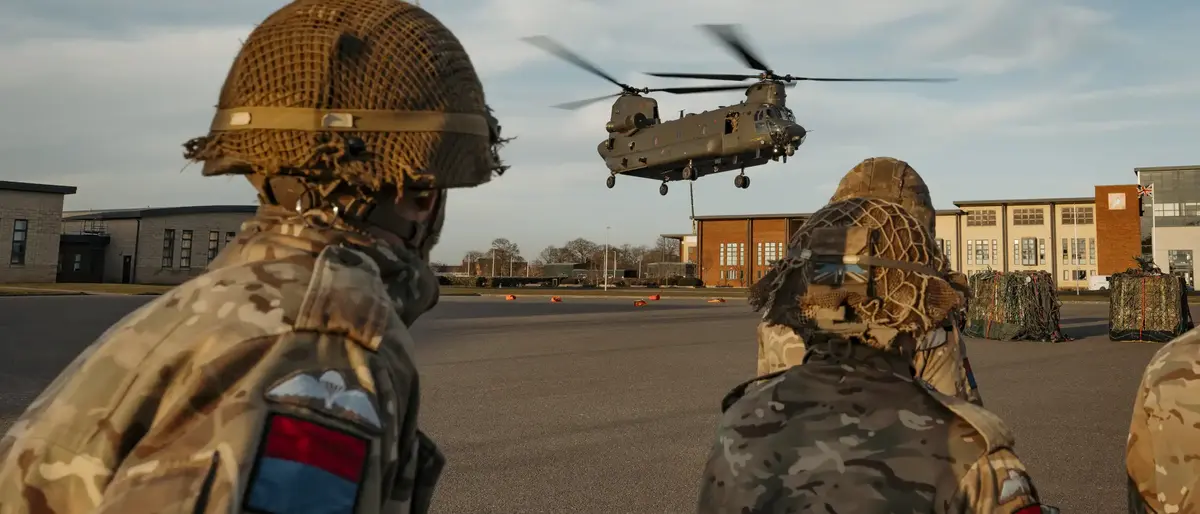
At West Midlands News, we believe accountability must be fearless and fair. As national debate rages over the potential prosecution of military veterans for historic actions, this question emerges: If we are entering a new era of retrospective justice, then why are the politicians, lawyers and civil servants not first in the dock?
Veterans in the crosshairs
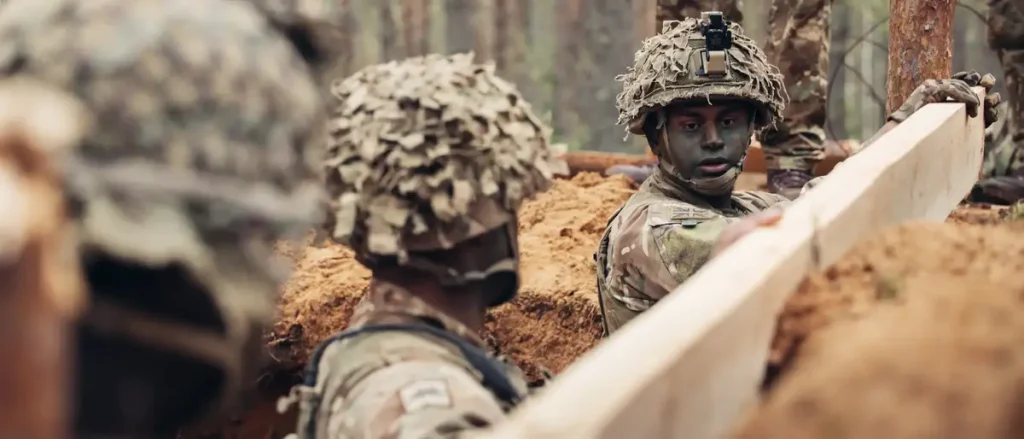
Recent proposals to remove protections for British military personnel, including those who served in Northern Ireland, have struck a nerve. The West Midlands region is home to thousands of veterans and their families, many of whom feel betrayed by political moves that would subject them to investigations decades after their service.
Veterans Minister Alistair Carns has reportedly told Hilary Benn he cannot support such legislation, and will resign if required. This sentiment resonates far beyond Westminster. Our servicemen and women acted under formal directives in turbulent theatres of war. They deserve honour, not vilification, for carrying out orders in good faith and in complex conditions.
Yet legal minds, many now serving as politicians, have seemingly repurposed old statutes as new weapons. The courtroom becomes Parliament. Legalism replaces leadership.
Legal careers masquerading as public service
There is a growing sense that some MPs are unable to move past their legal training, dragging decades-old cases into new legislative frameworks to score political points. That may get headlines, but it doesn’t serve justice.
So at West Midlands News we will keep asking: If historic prosecutions are now acceptable, why are they being applied so selectively? Why are veterans in the dock while others with proven institutional failures walk free? Where are the politicians, the civil servants and, yes, the human rights lawyers?
In the military, the most respected leaders are those who do what they ask of their subordinates. The same logic applies here: If you want to go after our military veterans, first put yoursevles in the dock. That is leadership. That is honourable.
Nudging emails in the shadows about legal proceedings which destory the lives of our military heroe while lining your own pockets? That is the antethesis of leadership and honour. It is shameful.
Let’s start with Rotherham
Over 1,400 children were exploited between 1997 and 2013 in Rotherham. Police officers, council staff, and social services failed repeatedly, despite overwhelming evidence and pleas for help. Where are their court dates? Where is the retrospective justice for the children whose lives were forever changed? Why aren’t the bureacrats, politicians, lawyers and police chiefs responsible standing trial?
If legal frameworks can be dusted off for war zones, they can be applied to domestic betrayal. These weren’t tactical errors. These were systemic acts of neglect.
Political decisions must be prosecutable too
Consider former Prime Minister Tony Blair. His decision to take Britain into the Iraq War remains one of the most controversial moments in modern British history. Whether the conflict was legal or moral continues to divide opinion, but one fact remains clear: it left a human, political and moral toll that endures to this day.
If soldiers are accountable for their actions on the battlefield, why isn’t Blair, who sent them there, in the dock?




2 Comments