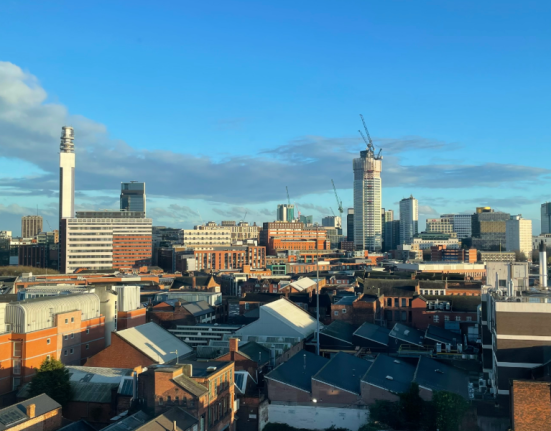
Ninety reservist medics from Birmingham’s have returned from a life-changing deployment to northern Kenya delivering healthcare to isolated communities.
The two-week humanitarian mission, called Exercise Haraka Serpent, was carried out by members of 202 Multi-Role Medical Regiment (202 MMR).
Life-saving care in remote counties
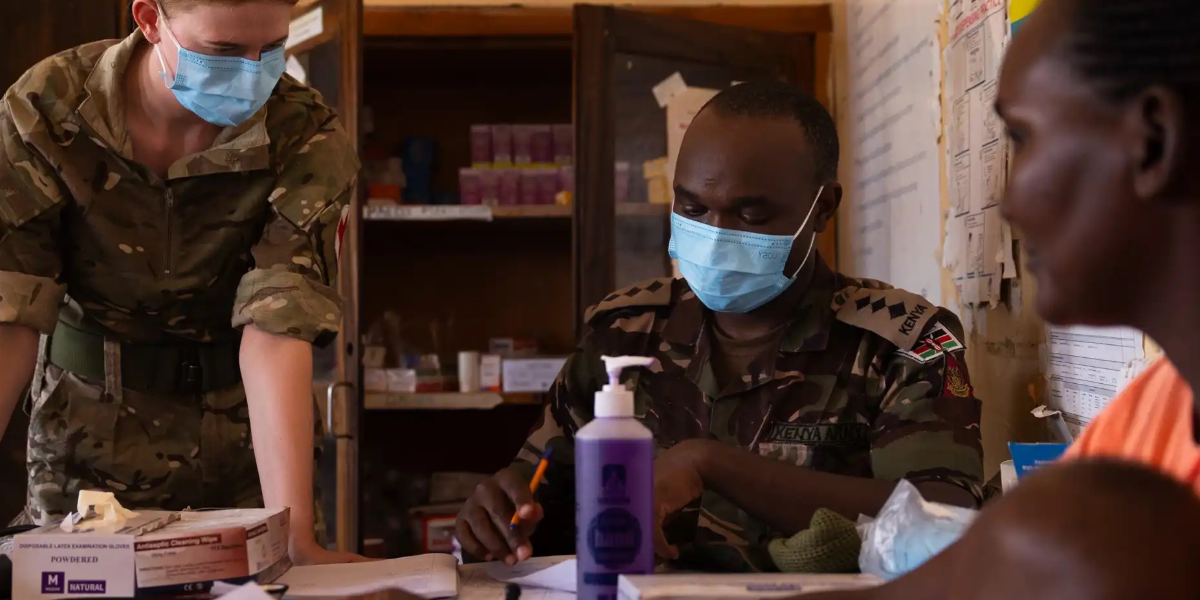
The British Army-led exercise took place in Kenya’s Laikipia and Samburu counties, where access to medical treatment is scarce and residents often walk for miles – or even days – to receive basic care.
The outreach was conducted in partnership with the Kenyan Ministry of Health, the Kenyan Defence Forces, and Beyond Zero, a charity founded by former First Lady Margaret Kenyatta to reduce maternal and child mortality.
The UK team, made up mostly of NHS professionals including midwives, paediatricians and A&E nurses, set up mobile clinics that treated hundreds of patients each day. Many of those seen had never had access to a qualified medical professional before.
From planning to impact
Led by Majors Rob Mathews and Tracey Hoines, 202 MMR began planning in January for the high-pressure, high-temperature operation. With daily temperatures over 35°C and rough, unforgiving terrain, the Reservists trained extensively to prepare for the physically and mentally demanding deployment.
“We were tasked with deploying to Kenya to engage with the counties of Laikipia and Samburu,” said Major Mathews. “We based the plans on each county’s needs and what we could afford within our budget.”
Real challenges, real results
On one day alone at Laresoro, north of Archer’s Post, the team treated 312 patients – 165 of them children.
Paediatric nurse Captain Bradley Setchell, working alongside Kenyan nurse Rehema Lekalau, saved the life of a severely ill four-month-old baby suffering from an infection and fever. Administering antibiotics and fluids, the team stabilised the infant, whose condition had quickly become life-threatening.
“Paediatrics is always an emotional speciality,” said Captain Setchell. “This has been a collaborative effort, locally driven, and I think we have made a difference here. It’s something I’m proud of the Army for achieving.”
Reaching the unreachable
The mobile clinics drew large crowds, with members of the Turkana and Samburu tribes arriving in traditional dress. For many, it was a rare and critical opportunity. “The distances people walk to reach healthcare here are staggering,” said one medic. “Minor issues go untreated until they become dangerous.”
The team provided general healthcare alongside maternal and child health services, offering vaccinations, screenings, and urgent care to hundreds in desperate need.
Cultural connection and communication
One of the key figures ensuring smooth engagement with local communities was Major Christine Duffy, a Kenyan-born officer whose command of Swahili and understanding of cultural customs proved invaluable.
Her presence helped bridge language gaps and build trust, a vital component in encouraging patients – some of whom were initially cautious – to engage with the clinics.
A purpose beyond the uniform
For the Reservists, the exercise was more than just a deployment – it was a fulfilment of the very reasons many joined the Army: service, adventure, and a chance to make a tangible difference.
“This exercise highlights the reason why many of our Reservists joined the military,” said Major Mathews. “To travel, to experience different cultures and to be challenged clinically as well as in leadership roles.”
The Army is recruiting
The British Army is currently recruiting for over 10,000 roles across the UK, from frontline combat to cyber, logistics, and medical care. With over 200 jobs available, the Army welcomes applicants aged 16 to 50 who want to make an impact – at home or abroad.
For more information on joining, visit the British Army careers website.