Reforms to unlock new venues and jobs across the region
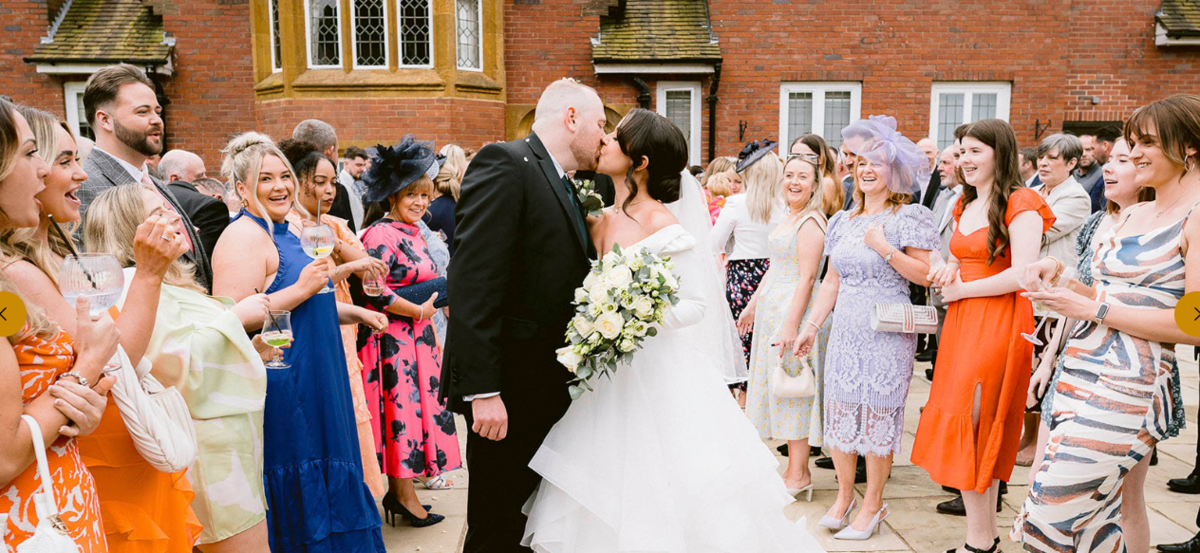
Couples across the West Midlands could soon be saying “I do” in castles, gardens and stately homes under sweeping marriage law reforms expected to inject £535 million into the national economy and create 12,000 new jobs.
Historic law overhaul
Announced by the Ministry of Justice, the changes represent the biggest overhaul of marriage law since the 19th century.
Under the plans, couples will be allowed to marry in a far wider range of locations – from beaches and heritage sites to private estates – as long as the setting is deemed “appropriate and dignified.”
The reform is expected to fuel growth across the hospitality and events sector, providing a major boost for local wedding venues, florists, caterers, photographers and tourism businesses across the West Midlands. Government estimates suggest the shake-up could lead to a 3% rise in weddings in England and Wales over the next decade.
Opportunities for regional venues
Tourism experts believe the West Midlands, with its mix of historic castles, rural estates and canal-side venues, stands to benefit significantly.
Heritage destinations such as Warwick Castle, Dudley’s Himley Hall, and Birmingham’s Botanical Gardens could see a surge in wedding bookings, helping local authorities and small businesses recover from years of economic stagnation.
The region’s event industry, already worth hundreds of millions, could also see a surge in demand for hospitality staff, suppliers and decorators. “This is exactly the kind of flexibility that will keep local venues competitive,” said one West Midlands wedding planner. “Couples want choice, character and creativity – and now they’ll have it.”
Inclusive and modern weddings
As well as stimulating the economy, the reforms aim to make weddings fairer and more inclusive, allowing legally binding ceremonies for Sikh, Muslim, Hindu, Buddhist and Humanist communities for the first time.
Baroness Levitt KC, Minister for Family Law, said the proposals would “allow couples to have the wedding day of their dreams” while maintaining the dignity of marriage.
The changes will also shift the legal regulation of weddings away from buildings and onto the officiants conducting the ceremonies, giving couples greater freedom to tailor their celebrations.
Consultation and legislation ahead
The government will consult on the details early next year before introducing legislation when parliamentary time allows.
For the West Midlands’ growing wedding and events industry, the message is clear: love is good for business – and soon, even better for the local economy.