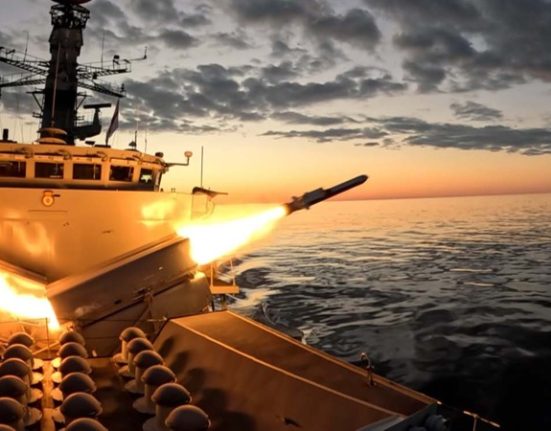
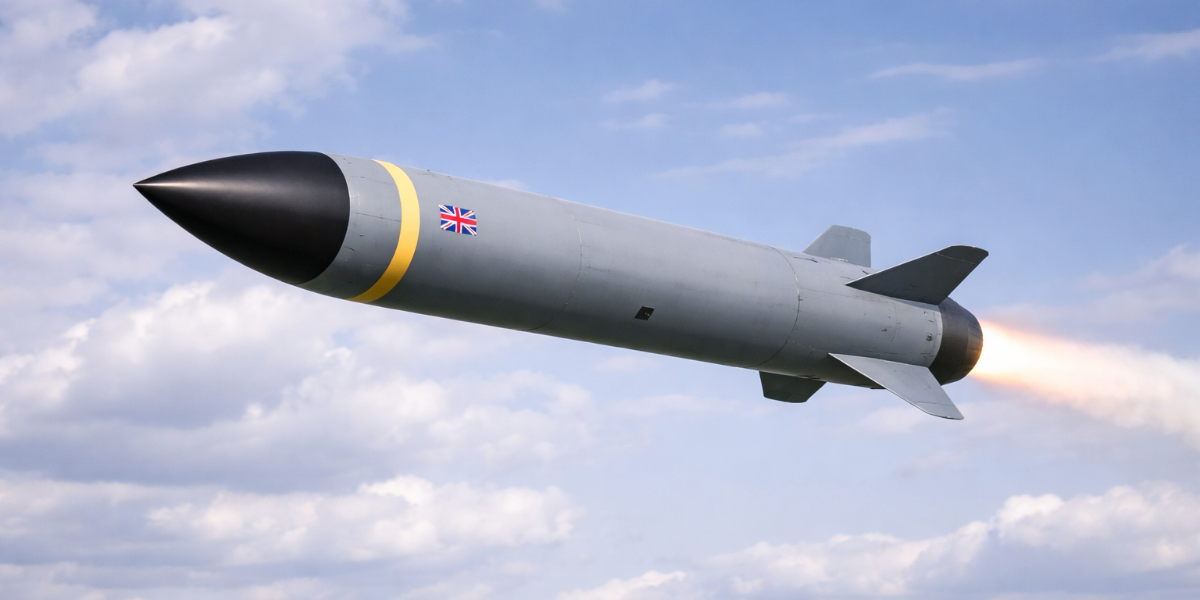
How vital are missiles in today’s world?
The Minister for Defence Readiness and Industry, Luke Pollard, recently met with his German counterpart in Berlin to discuss the jointly developing military programme involving the Deep Precision Strike missile. But with the war in Iran raging on, is the programme too little too late and should missiles be the government’s defence focus?
What is the Deep Precision Strike missile?
The Deep Precision Strike missile is a long-range weapon with a range of over 1,243 miles, which reflects growing ambitions among European NATO allies to develop weapons with long-range strike capabilities in the face of the growing Russian threat. The project was first announced by the UK and Germany last year.
So far, there is no clear indication as to what the missile will look like, but there are suggestions that the project will take shape across a variety of missile types, including ballistic missiles, cruise missiles and hypersonic missiles.
The missile is characterised by three main factors:
- Long-range capability
- High accuracy
- Strategic targeting
Comparable existing weapons
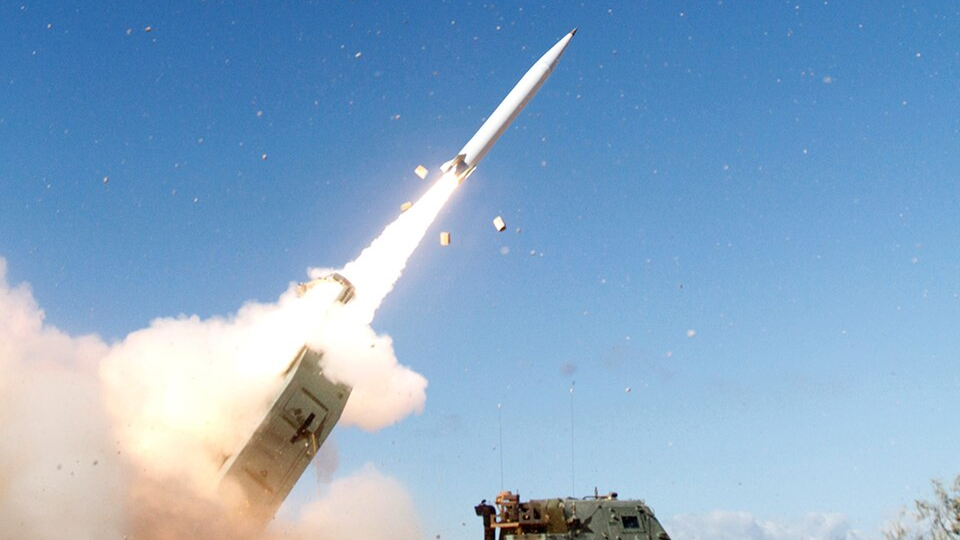
One example of a modern deep precision strike system is the US Army’s Precision Strike Missile (PrSM) missile. The PrSM is a surface-to-surface missile which can be launched from systems such as the HIMARS or MLRS systems. It can strike targets over 400km away, with future versions of the system being able to exceed 1,000 km. It is designed, similar to the UK project, to be able to strike enemy targets whilst remaining outside of many air defence systems.
Current progress on the system
According to the Ministry of Defence, the missiles are expected to enter service in the 2030s with the initial focus of the missile being on ground-launched capabilities, but the programme will also explore air and naval capabilities to ensure long-range deterrence and operational flexibility.
The programme continues to build on existing industry strength, which exists between the UK and Germany, as well as the Trinity House Agreement, which was signed by both nations in 2024. Both nations have expressed that the cooperation remains open for other nations to join if they so wish.
The US war in Iran has proven the importance of such weapons
The US equivalent, the PrSM has been used for the first time ever in combat operations to strike high-value targets in Iran. Launched from Bahrain, the missile proved beneficial in allowing the US to launch precise strikes into enemy territory from far away.
US Central Command (CENTCOM) confirmed the use of the weapons system, with footage filmed by X users showing the missile being launched from Bahrain carrying a 200lb (91kg) warhead into Iran.
Are missiles becoming the norm for defence?
With the UK joining the long list of countries developing highly advanced missile systems. It appears that missiles are becoming a staple of national defence strategy for many countries. Long-range, precision missiles are highly beneficial to militaries across the globe as they enable conflicts to be fought with fewer people, without having to properly penetrate and dominate enemy airspace, waters or ground territory.
But the West has some catching up to do. The Chinese Dongfeng (DF) missile has worried western military analysts for a few years now, with the latest DF missile proving highly effective in tests at targeting and accurately hitting targets that depict US aircraft carriers and warships, with the US, to a large extent, lacking in its ability to defend against them.
The war in Iran has only reaffirmed the importance of effective missile systems in the modern world. Missiles have made up a large part of the US offensive, striking key targets deep into Iran, whilst other forms of missile systems, such as Israel’s ‘Iron Dome’ and the US’ own surface-to-air interceptor systems have helped provide vital defence against Iranian attacks on Israel and US military assets across the Middle East.
The UK must step up
The attack on RAF Akrotiri in Cyprus, and more precisely the failure to prevent and intercept such an attack, has demonstrated underlying weaknesses in the UK’s existing defence strategy and infrastructure, which requires urgent attention.
Though the Deep Precision Missile system is a project which will help improve the UK’s defence capability, it’s clear that work needs to take place to improve the UK’s defensive capabilities with improved interception systems and better defences around UK military assets across the globe.