
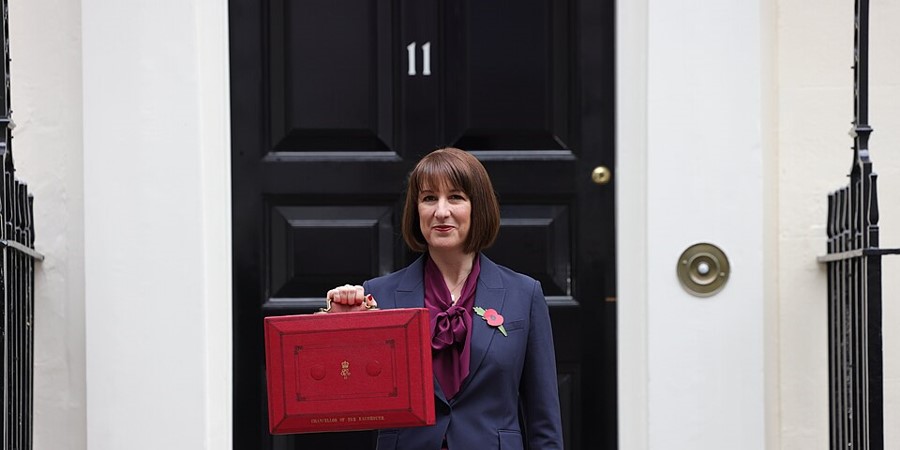
Global instability and weak growth squeeze the Chancellor’s room for manoeuvre
UK public sector net borrowing reached £14.3 billion in February, marking a sharp reversal from the £30 billion surplus recorded in January.
These facts alone highlight the underlying pressures on the UK’s public finances currently.
Emeritus Professor Joe Nellis, economic adviser at MHA, the accountancy and advisory firm with a base in Birmingham, said: “The January surplus was largely seasonal and driven by the annual spike in tax revenues. When those temporary factors fade, the structural pressures on government finances quickly re-emerge.”
Borrowing set to stay elevated
He warned that borrowing is expected to remain substantial throughout 2026.
“Weak economic growth has limited the expansion of the tax base, while spending pressures remain significant across healthcare, social support and debt interest payments,” he said.
“Slower economic activity reduces receipts from income tax, corporation tax and VAT, making it more difficult for the government to narrow the fiscal deficit.”
After a relatively settled six months in financial markets, UK bond yields have risen sharply in the past month, increasing the cost of servicing government debt – a rise driven largely by factors beyond the UK’s control.
“Escalating tensions in the Middle East have already pushed energy prices higher in global trading markets and fed into inflation forecasts,” said Professor Nellis.
“Higher inflation raises the cost of servicing the UK’s large stock of inflation-linked government debt and can also increase public spending on benefits and pensions.”

Growth forecasts downgraded – and it’s the Chancellor’s fault
Growth forecasts for the UK economy have already been downgraded for 2026, and Professor Nellis is clear that the Chancellor bears responsibility.
“The narrow fiscal headroom has been of her own doing, and this leaves the economy vulnerable to external shocks,” he added.
“Without economic growth to increase tax revenues and grow this buffer, we are likely to see the UK’s debt-to-GDP ratio continue to rise.
“The key question now is whether the UK economy can regain stronger growth before global instability pushes government borrowing even higher.”