Wales is edging towards a law that would make deliberate deception by politicians a sanctionable offence – the rest of the UK should be paying close attention
There is a quiet shift happening in Wales that most of Westminster has not fully clocked yet. It is not wrapped in the usual noise of party warfare or the daily churn of ministerial spats. It is something more fundamental, almost old-fashioned in its simplicity: the idea that politicians who knowingly mislead the public should face consequences that actually mean something. Not a slap on the wrist. Not a carefully worded apology drafted by a press officer. Real consequences.
It is remarkable that such a basic principle feels revolutionary, but that is where British politics has drifted. Wales is edging towards a legal framework that would treat deliberate political deception as a breach of public trust serious enough to trigger sanctions, suspension, even removal from office. If it lands, Wales will become the first place in the world to put this principle into law. And the rest of the UK will have to decide whether it wants to keep pretending the status quo is good enough.
Trust has been draining away for years
The truth is that trust in British politics has been draining away for years. You can feel it in conversations in pubs, on buses, in workplaces. People do not roll their eyes anymore. They shrug. That is worse. A shrug means they have stopped expecting anything better. The Ipsos Veracity Index puts trust in politicians at nine per cent. Nine. That is not a blip. That is a system running on fumes.
And it did not happen overnight. The Iraq War left a scar that never really healed. The Chilcot Inquiry did not accuse Tony Blair of lying, but it did say the case for war was presented with a confidence the evidence did not justify. That episode alone would have triggered a formal investigation under the kind of rules Wales is considering. Then came the expenses scandal, which detonated whatever remained of the old deference towards Parliament. The Brexit referendum poured petrol on the fire. The “£350 million a week for the NHS” claim became a symbol of a political culture where accuracy was optional if the message landed.
A catalogue of evasion and half-truths
More recently, the Downing Street lockdown saga dragged the country through months of evasions, half-statements and contradictions. Boris Johnson’s shifting explanations became a case study in how political accountability depends entirely on who holds the majority in the Commons. Priti Patel’s undeclared meetings in Israel, Jeremy Corbyn’s handling of antisemitism allegations, Rishi Sunak’s optimistic claims about asylum processing and NHS waiting lists: different issues, different contexts, the same underlying problem. The system has no independent mechanism to distinguish error from intent, spin from deception, or optimism from distortion.
What Wales is trying to build
Wales is trying to build one. The proposals being shaped in Cardiff Bay would create a legal definition of deliberate deception and an independent process to investigate it. Sanctions could range from correction notices to suspension, and in the most serious cases, a recall vote. It is not about criminalising speech. It is about setting a baseline of honesty for people who hold public power.
The idea is not complicated. If a doctor lies, they can be struck off. If a lawyer lies, they can be disbarred. If a police officer lies, they can lose their badge. In politics, lying is treated as a communications issue. A matter for the grid. Something to “move on from.” Wales is asking why the people who write the rules should be the only ones exempt from them.
A constitutional model built on trust that no longer exists
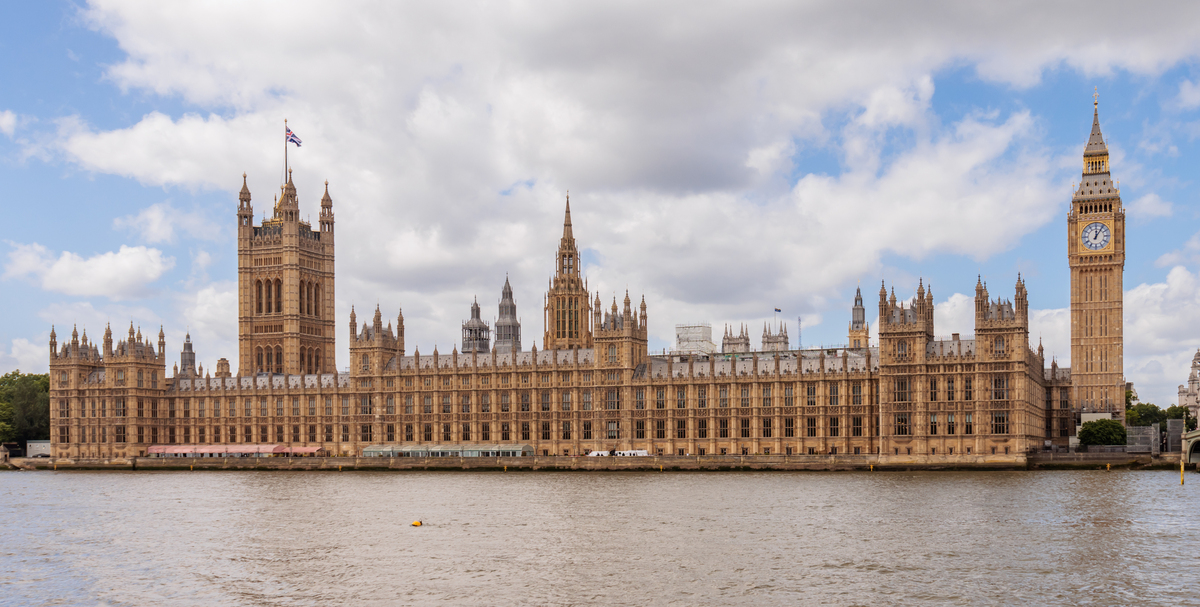
The UK’s constitutional model relies heavily on trust, the kind of trust that once came naturally because the public believed politicians were at least trying to be straight with them. That belief has evaporated. The Ministerial Code is not legally binding. The Nolan Principles are advisory. Parliament polices itself. And when the public sees MPs marking their own homework, they draw their own conclusions.
A UK-wide law modelled on the Welsh approach would not fix everything. It would not stop political spin. It would not prevent governments from presenting their policies in the rosiest possible light. But it would draw a line. It would say: you can argue, persuade and exaggerate within reason, but you cannot knowingly mislead the people who put you in office. That is not censorship. That is democracy with a spine.
The obvious obstacle – and why Wales overcomes it
The obstacle is obvious. Any law that restricts deliberate deception would constrain the very people who must vote it into existence. But that is precisely why Wales matters. It shows that the idea is not only possible but politically survivable. It shows that a modern democracy can strengthen accountability without strangling debate. And it shows that the public appetite for higher standards is not a fringe demand. It is mainstream.
Westminster must now decide
The question for Westminster is whether it wants to keep drifting, or whether it is prepared to confront the reality that trust, once lost, does not return on its own. Wales has made its move. The rest of the UK now has to decide whether it is content with a political culture where honesty is optional, or whether it is finally time to say that public office should come with a duty to tell the truth.
If regular people can lose their jobs for lying, why should the people running the country be the exception?