
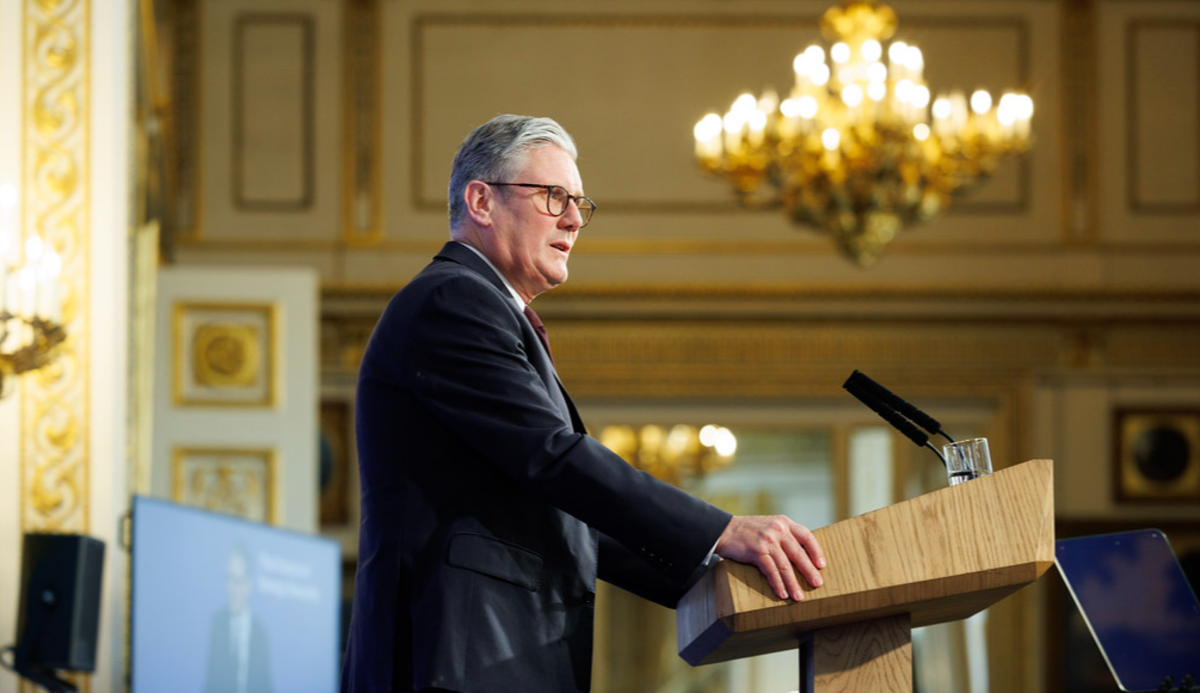
The outgoing PM cites party confidence as economic adviser warns of impacts
Sir Keir Starmer has announced he will resign as leader of the Labour Party and Prime Minister, saying he has accepted the judgment of his parliamentary colleagues that he is not best placed to lead the party into the next general election.
In a letter to Labour Party members, Starmer said: “Every decision I’ve taken has been about putting the country I love first. That is why I will resign as leader of the Labour Party.”
A legacy of change
Reflecting on two years in office, Starmer pointed to a range of achievements, including falling NHS waiting lists, rising wages, and a significant reduction in child poverty. “Half a million children being lifted out of poverty because of the choices that I made,” he wrote, adding that he leaves Britain with “our reputation in the world restored.”
He acknowledged the question now being put to him by colleagues and accepted their answer with what he described as “good grace,” saying the issue was no longer who was best placed to change the Labour Party, but who should lead it into the future.
Starmer confirmed he will remain as Prime Minister until a leadership contest is concluded, with nominations opening on 9 July and a new leader expected to be in place before Parliament returns in September.
Markets react to uncertainty
The announcement has already triggered turbulence in financial markets, with economists warning that the period of political transition carries significant economic risk.
Emeritus Professor Joe Nellis, economic adviser at MHA, said: “The expectation of the Prime Minister’s resignation in recent days had already driven volatility in financial markets, a spike in bond yields and fall in sterling this morning shows that his resignation is only adding to that.”
Professor Nellis said investor attention was now fixed firmly on who would succeed Starmer, and in particular what an Andy Burnham-led government would mean for taxation, borrowing and public spending.
“The volatility in the market reflects that perhaps not even Mr Burnham knows what this looks like,” he said.
Conditions for stability
Professor Nellis said the next Prime Minister must strike a careful balance, warning that any plans seen to breach existing fiscal rules could push bond yields higher.
However, he added: “If any revised fiscal plans look credible and have a clear, well-defined strategy to spur economic growth, yields will stabilise quickly.”
He concluded that business confidence would hinge on whether the incoming administration could deliver policy certainty, with sectors including construction, green energy and regional development among those likely to benefit most from a stable, growth-oriented approach.