- Revolutionary scanner would cut scan time from 30 minutes to just 5 minutes – allowing more scans for children and pregnant women.
- Full Body PET CT Scanner to be first in UK outside London and Edinburgh.
- Partnership sees one of the UK’s leading life science events join major fundraising drive.
Life Sciences Week has announced University Hospitals Birmingham Charity as its official Social Impact Partner for 2026, supporting a major £7.2 million fundraising appeal to bring a state-of-the-art Total Body PET CT Scanner to Queen Elizabeth Hospital Birmingham.
The appeal aims to fund groundbreaking imaging technology that could transform care for thousands of patients across England and Wales – while placing Birmingham at the forefront of advanced diagnostics, clinical trials and medical research.
As part of the partnership, Life Sciences Week will use its national platform to help raise awareness of the appeal, mobilise support from across the life sciences, healthcare, business and innovation communities, and showcase the project during Life Sciences Week 2026.
The pioneering scanner would become the first in the country outside of London and Edinburgh. By cutting imaging times from 30 minutes to just five minutes, the scanner is expected to create more than 2,000 additional appointments each year.
The exceptionally detailed images produced by the scanner also require lower radiation exposure – opening up advanced imaging for patients who currently face particular challenges, including children and pregnant women.
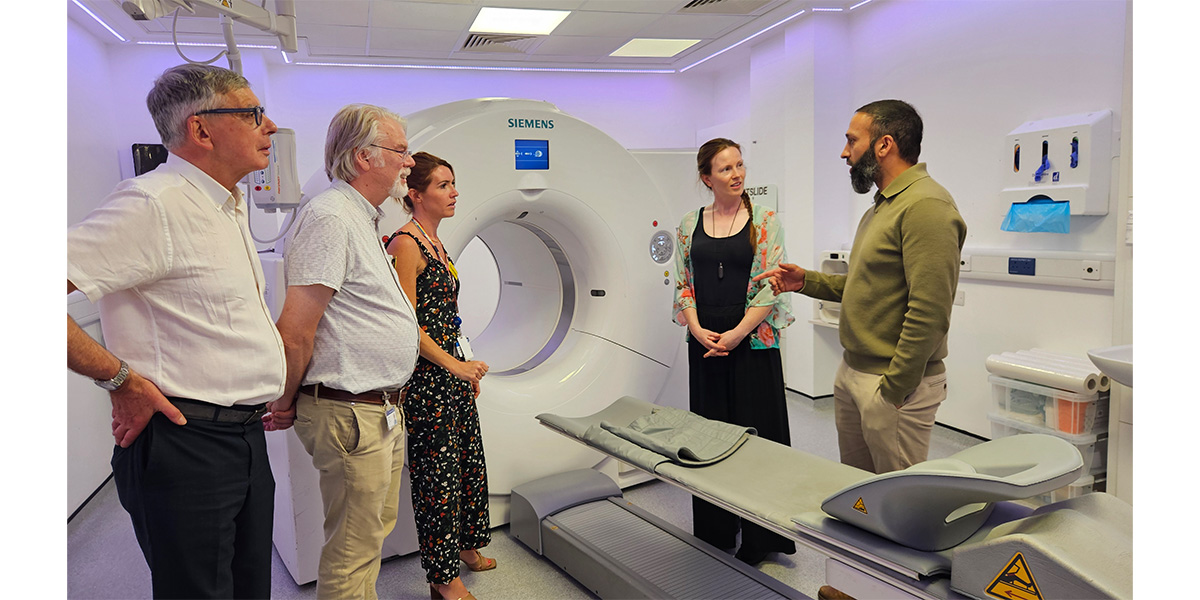
During a visit to Queen Elizabeth Hospital’s PET Scan Unit, David Kidney, Chairman of the Life Sciences Week Board, said: “Life Sciences Week exists to bring the sector together around innovation that can make a practical difference to patients, clinicians and research.
“This appeal has clear national significance. A Total Body PET CT Scanner would support faster, safer diagnostics while strengthening Birmingham’s role in the next generation of medical research.
“We’re proud to support University Hospitals Birmingham Charity and help bring the life sciences community behind this hugely important appeal.”
Life Sciences Week 2026 takes place from 21–25 September 2026, with a week-long programme of showcase events, panels, roundtables, site visits, networking and sector-led activity across the West Midlands and beyond.
The event brings together key figures from biotech, med-tech, pharma, healthcare, academia, research, policymaking, investment and business – celebrating the latest advances in life sciences and creating new opportunities for collaboration.
Announcing Life Science Week’s partnership with UHB Charity, Amy Deakin, Managing Partner of Life Sciences Week, said: “Life Sciences Week celebrates the people and ideas moving healthcare forward – and this appeal turns that message into action.
“By naming University Hospitals Birmingham Charity as our Social Impact Partner, we are making the scanner appeal a central part of Life Sciences Week 2026.
“We want businesses, researchers, clinicians, investors, policymakers and the wider community to understand the scale of this opportunity and help make it happen.”
The new PET CT scanner’s impact would also extend far beyond today’s patients. By imaging the entire body simultaneously, the scanner would give researchers and clinicians unprecedented insight into complex conditions including cancer, heart disease, diabetes-related illness, Alzheimer’s disease and dementia. The data generated would support world-leading research, help clinicians develop the next generation of treatments and give patients earlier access to cutting-edge clinical trials.
Andy Nightingale, Principal Radiographer PET CT for University Hospitals Birmingham NHS Foundation Trust, said: “We are delighted to welcome Life Sciences Week’s support in helping raise awareness of this appeal.
“For patients, reducing scan times from around 30 minutes to as little as five minutes could make a major difference, particularly for children and vulnerable patients.
“The scanner could mean less need for general anaesthetic, lower radiation doses and clearer diagnostic information, while giving clinicians and researchers new ways to understand disease and improve care.”
To support University Hospitals Birmingham Charity’s £7.2 million appeal and help bring the Total Body PET CT Scanner to Birmingham, people can visit: https://hospitalcharity.org/life-sciences-week.
People and organisations interested in getting involved with Life Sciences Week can register at: https://lifesciencesweek.co.uk/.