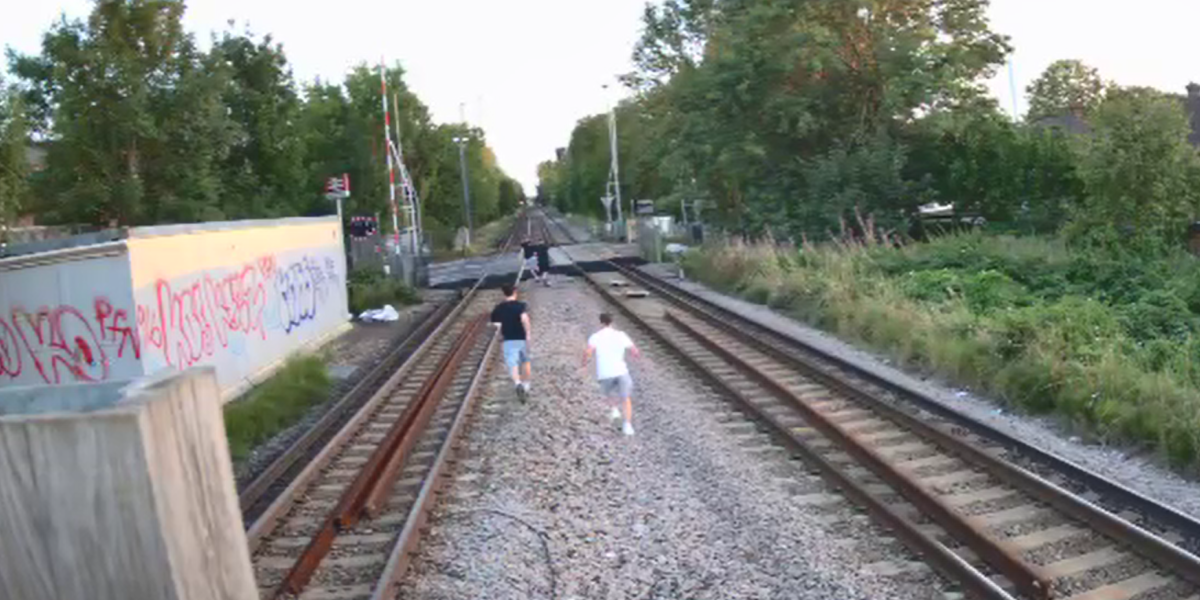
In 2025/26, passengers across Britain’s railways faced over 3,300 hours of delayed due to cable theft, vandalism and obstruction – delays equating to nearly five months worth of delays. In total, these delays cost the rail industry more than £10 million. The delays have led Network Rail and the British Transport Police to launch a new campaign ‘Crime with Consequences’.
The campaign warns potential offenders that they will face severe fines or prison sentences if they break the law on Britain’s railway. The new campaign expands on the existing ‘No Second Chances’ safety programme.
Cable theft delays rise by 84%
Last year, 111 delay-causing cable theft incidents took place across the nation. This resulted in over 2,100 hours of delay, an 84% increase on the previous year. These delays cost almost £6.8m, which was more than double (103% up) on the previous year. Cable thefts of this nature cause damage to signalling systems and overhead wires which leads to significant impacts on both passenger and freight services.
Vandalism and obstruction on the tracks
Not only do cable thefts cause delays, but other instances of vandalism and obstruction on the railway causes significant delays too. Last year, 961 incidents of vandalism and obstruction took place leading to 1,200 hours of delays and over £4m in delay costs. Obstructions can include debris and other pieces of tracks deliberately placed on the line.
How is the railway tackling crime?
The railway has begun to take a variety of measures in an effort to tackle crime on the railway. Hidden “trespass beads” in cables in the North West mark offenders with a unique DNA code, allowing network rail and the British Transport Police to effectively track and prosecute offenders on Britain’s railway.
Extra funding has also been set aside for patrols on the East Coast Main Line, whilst drones, sensors and smart CCTV systems have been deployed across the network to deter, track and aid the prosecution of offenders. This technology provides better evidence gathering systems, strengthening prosecutions. The use of victim impact statements has also been used to effectively show the effect of delays.
What network rail and the British Transport Police have said
Anit Chandarana, DIrector for System Operator at Network Rail said: “Behind every one of these delays caused by railway crime is someone not being able to get home to their family, another person late to a job interview, or food stuck on its way to a supermarket shelf. Cable theft, vandalism and obstruction aren’t victimless crimes, they’re crimes against the millions of people who rely on the rail network every day.”
Meanwhile, Superintendent Darren Malpas, of the British Transport Police, said: Cable theft and associated railway crimes like trespass aren’t victimless offences. They put lives at risk, cause significant disruption to passengers and freight services, and cost the rail industry millions of pounds every year, which ultimately ends up costing the public more.”
Who pays for the delays?
The delay costs are Schedule 8 payments: compensation Network Rail pays train operators for delays linked to its infrastructure. A large proportion of Network Rail’s funding comes from Government, so the cost ultimately falls on the British Taxpayer.
But the costs aren’t as clear cut as it may initially seem, the wider economic cost (delays in the transportation of freight as well as missed appointments mean that the economic costs are substantially larger than they may initially seem.
The network is designed to fail safely. When a cable is cut, trains stop, which protects passengers but causes lengthy delays.
The aim of the campaign is simple, to reduce disruption and bring offenders to justice.