
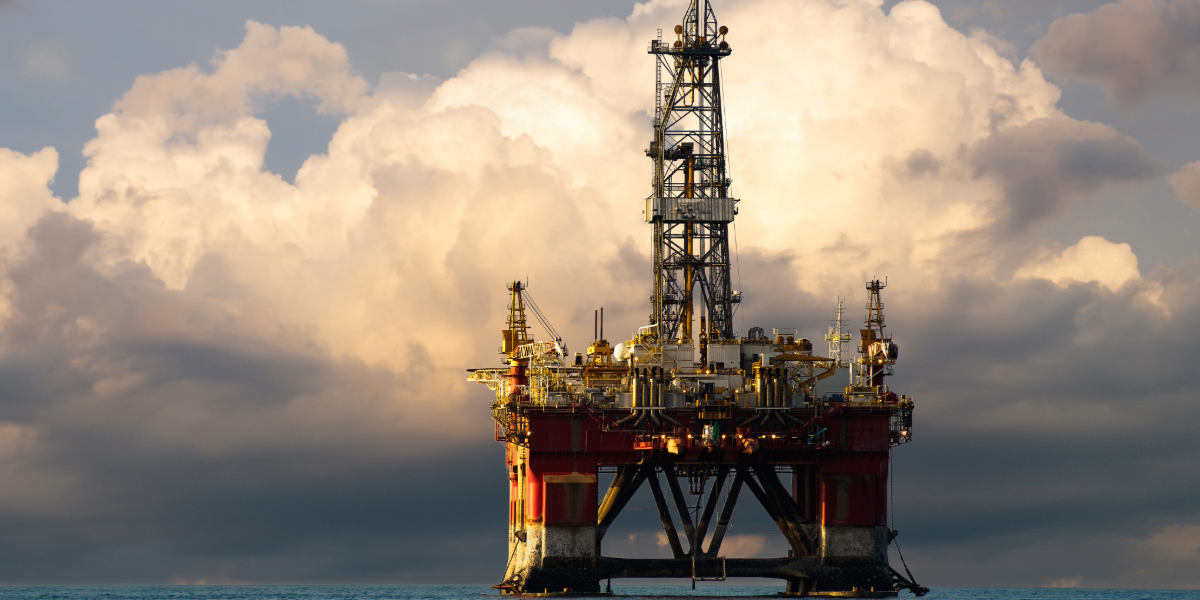
For decades, the North Sea has been at the heart of Britain’s energy story.
The discovery of vast oil and gas reserves during the 1960s transformed the UK’s economy, helped power homes and businesses, created generations of highly skilled jobs and, for a time, made the country a net exporter of energy. Yet more than sixty years on, the era of abundance is drawing to a close. Many of the largest fields have been depleted and production has steadily declined.
Despite that decline, the Government’s approval of the Jackdaw gas field is a reminder that reports of the North Sea’s demise may be premature.
Located around 150 miles off Scotland’s east coast, Jackdaw sits beneath the seabed in a reservoir accessed by wells drilled nearly three miles below the surface. The field contains enough natural gas to heat an estimated 1.4 million homes for the next decade, according to its operators, a joint venture between Shell and Equinor.
Production is expected to begin within weeks.
For ministers, the decision is fundamentally about energy security.
At a time when global conflicts and geopolitical instability continue to influence international energy markets, the Government argues that producing gas domestically is preferable to importing it from overseas. The case being made is straightforward. Britain still relies heavily on gas and will continue to do so for many years. If that demand exists, ministers believe it makes sense to meet as much of it as possible from domestic sources operating under some of the world’s strictest environmental and safety regulations.
The economic reality behind that argument is difficult to ignore.
Twenty-five years ago, the UK produced more oil and gas than it consumed. In 2000, Britain was effectively self-sufficient and even exported surplus energy abroad. Today, that picture has changed dramatically. Domestic production now accounts for less than half of the country’s gas demand, leaving Britain increasingly reliant on imports.
Around 43% of Britain’s gas currently comes from domestic North Sea production. More than a third is imported from Norway through pipeline connections, while a significant proportion arrives as liquefied natural gas transported by ship, much of it originating from the United States.
Against that backdrop, Jackdaw will provide a useful boost.
However, its impact should not be overstated.
While the development is expected to increase UK gas production by around 6%, it will ultimately account for approximately 2% of total national gas demand. In other words, it strengthens energy resilience but does not fundamentally alter Britain’s reliance on imports.
That distinction is important because it cuts through some of the political rhetoric surrounding North Sea developments.
Jackdaw will not deliver cheaper household energy bills. The price consumers pay for gas remains largely determined by international markets rather than the location where it is produced. Whether gas is extracted off the Scottish coast or imported from abroad, global wholesale prices continue to dictate costs.
The project’s supporters are nevertheless keen to highlight other benefits.
Jackdaw is expected to create dozens of new jobs while helping to safeguard hundreds more throughout the supply chain. At a time when many communities remain heavily dependent on the energy sector, those employment opportunities carry significant political and economic weight.
The Treasury also stands to benefit. The project is expected to generate more than £1 billion in tax revenues over the coming decade, money the Government says can be reinvested into Britain’s transition towards cleaner forms of energy.
That transition remains the central challenge.
Britain today uses significantly less gas than it once did, thanks partly to the growth of renewable energy and partly to the long-term decline of heavy industry. Yet gas remains deeply embedded within the economy. Around three quarters of UK homes are still heated by gas boilers, while gas-fired power stations continue to play a critical role in maintaining electricity supplies when renewable generation falls.
The result is an uncomfortable reality for policymakers. While the ambition is to move towards a low-carbon future, the country continues to depend heavily on fossil fuels in the present.
That is why ministers increasingly describe developments such as Jackdaw as a bridge between today’s energy needs and tomorrow’s greener economy.
Environmental groups strongly reject that argument. Campaigners insist that approving new fossil fuel projects is incompatible with the UK’s climate commitments and risks slowing the transition towards renewable energy. They argue investment should be focused entirely on clean energy technologies rather than extending the lifespan of the North Sea industry.
The debate is unlikely to disappear any time soon.
Indeed, Jackdaw may prove to be only the beginning.
Attention is already shifting towards Rosebank, the UK’s largest undeveloped oil field west of Shetland. Any decision on Rosebank is expected to trigger an even more intense political and environmental battle, given its scale and long-term implications.
For now, however, the approval of Jackdaw sends a clear signal.
Britain may be accelerating towards a renewable future, but the Government believes the North Sea will continue to play an important role in keeping the lights on, heating homes and supporting energy security for many years to come.
The age of North Sea energy may be maturing, but it is not over yet.