By West Midlands News
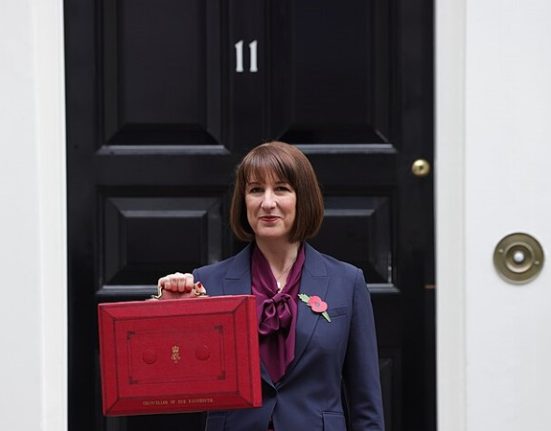
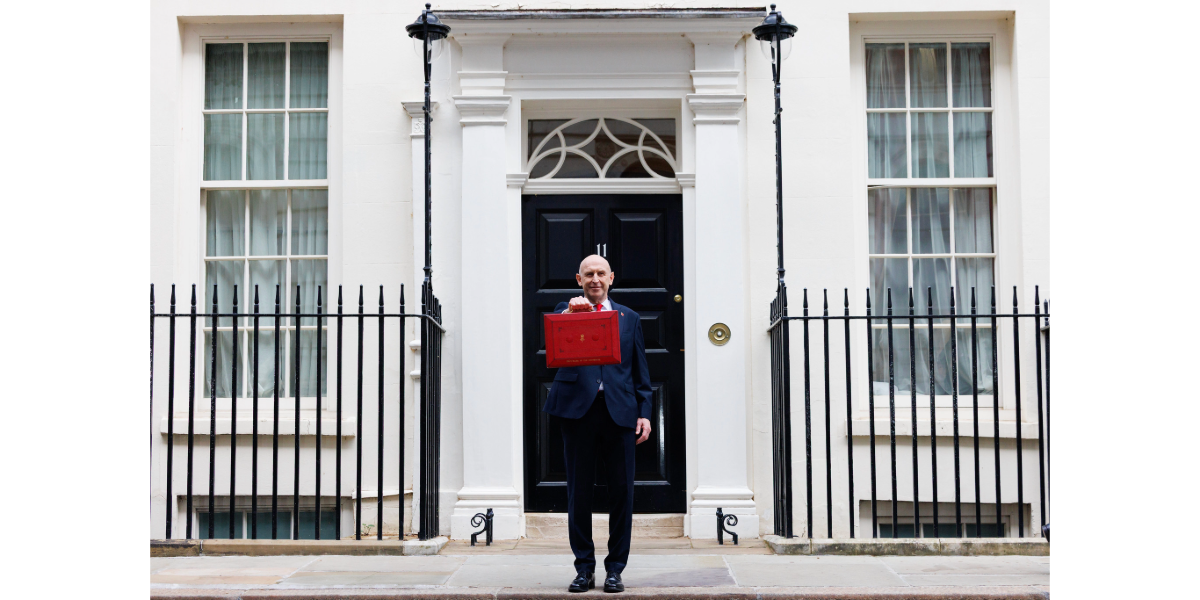
Chancellor John Healey today delivered Labour’s third Budget since entering government and the first since Prime Minister Andy Burnham entered Downing Street, presenting it as a plan to provide stability, support economic growth and strengthen public services.
The Budget contained measures on energy bills, pensions, defence spending, housing and welfare, but opposition parties and economists were quick to question whether it goes far enough to tackle the long-term challenges facing the British economy.
At the heart of the Chancellor’s statement was an attempt to balance competing pressures. Ministers are seeking to maintain financial credibility while funding public services, supporting households with the cost of living and boosting economic growth at a time of continuing global uncertainty.
One of the headline announcements was the removal of standing charges from household gas bills. However, despite the Chancellor saying the change would happen “from next year”, Treasury documents suggest consumers may not see the benefit until late 2027 or potentially 2028, depending on implementation by Ofgem and the energy industry. The Chancellor also confirmed the continuation of the temporary zero-rating of VAT on qualifying electricity supplies through the winter and into next summer. While ministers highlighted the policy as helping households cope with energy costs, the measure only came into force this month despite being announced shortly after the Government took office.
Perhaps the most politically sensitive issue remains taxation.
Mr Healey insisted he had honoured Labour’s promise not to increase taxes on working people. However, critics point to the continued freeze on income tax and National Insurance thresholds, first extended in last year’s Budget, which continues to draw more workers into higher tax bands as wages rise.
Meanwhile, one of the most significant long-term reforms announced was a change to the state pension triple lock. The Chancellor claimed the adjustment would eventually save around £15 billion a year. However, analysts note that figure refers to projected spending reductions more than a decade into the future rather than immediate savings, and the final outcome will depend heavily on economic performance and inflation over the coming years.
The Government also committed a further £430 million towards tackling rough sleeping, part of Prime Minister Andy Burnham’s pledge to end rough sleeping. While ministers say the funding will help provide routes off the streets for vulnerable people, measuring success remains challenging. Official data continues to show thousands of people sleeping rough across England, with figures varying depending on seasonal conditions and reporting methods.
On employment, the Budget debate highlighted a more complicated picture than headline figures alone suggest.
Conservative leader Kemi Badenoch criticised the Government over rising unemployment since Labour took office. The figures support her claim that unemployment has increased by around a quarter of a million people. However, employment has also risen by more than one million over the same period as more people have entered the labour market. The number of economically inactive people has fallen, helping explain how both employment and unemployment can increase at the same time.
One of the most contentious exchanges focused on Britain’s tax burden.
Mrs Badenoch claimed Britain is heading towards the highest tax burden in its history. According to Office for Budget Responsibility forecasts published alongside the Budget, tax revenues as a share of GDP are expected to reach 37.9% by 2027-28, the highest level recorded since comparable records began after the Second World War.
Housing was another area where ministers faced uncomfortable questions.
Labour’s pledge to deliver 1.5 million new homes in England during this Parliament remains under pressure. Current estimates suggest around 437,900 net additional homes have been delivered since the target period began, leaving the Government significantly behind the pace required to reach its objective. Senior ministers have increasingly acknowledged the target will be difficult to achieve.
Defence spending also emerged as a key issue.
Prior to becoming Chancellor, Mr Healey publicly argued that Britain should commit to spending 3% of GDP on defence by 2030. Today he confirmed 2030 remains the target date for reaching that level, while the Government also intends to meet NATO’s wider ambitions on defence spending by 2035. However, critics noted that few details were provided on exactly how the additional funding will be delivered.
The issue is particularly important for the West Midlands, where defence manufacturing continues to play an increasingly significant role in the regional economy. Companies across the region are benefiting from growing demand in areas such as engineering, advanced manufacturing and military supply chains.
The Budget’s economic forecasts presented a mixed picture.
Inflation is expected to rise before returning towards the Bank of England’s target later in the forecast period. Meanwhile, real household disposable income is forecast to recover after an initial decline, although growth is expected to be weaker than previously forecast in several years.
For households across the West Midlands, the immediate impact of the Budget may be difficult to judge. Some measures will provide support with energy costs and public services, while others involve long-term reforms whose effects may not be felt for years.
Politically, the Budget was designed to present Labour as fiscally responsible while continuing to invest in key priorities. Economically, however, questions remain over whether it contains enough to address Britain’s long-standing challenges around productivity, housing, defence, infrastructure and growth.
As businesses, markets and households digest the detail, today’s Budget is likely to be remembered less for dramatic announcements and more for the difficult balancing act it attempted to achieve. Whether that proves enough to deliver the stronger growth ministers are hoping for remains to be seen.