By West Midlands News
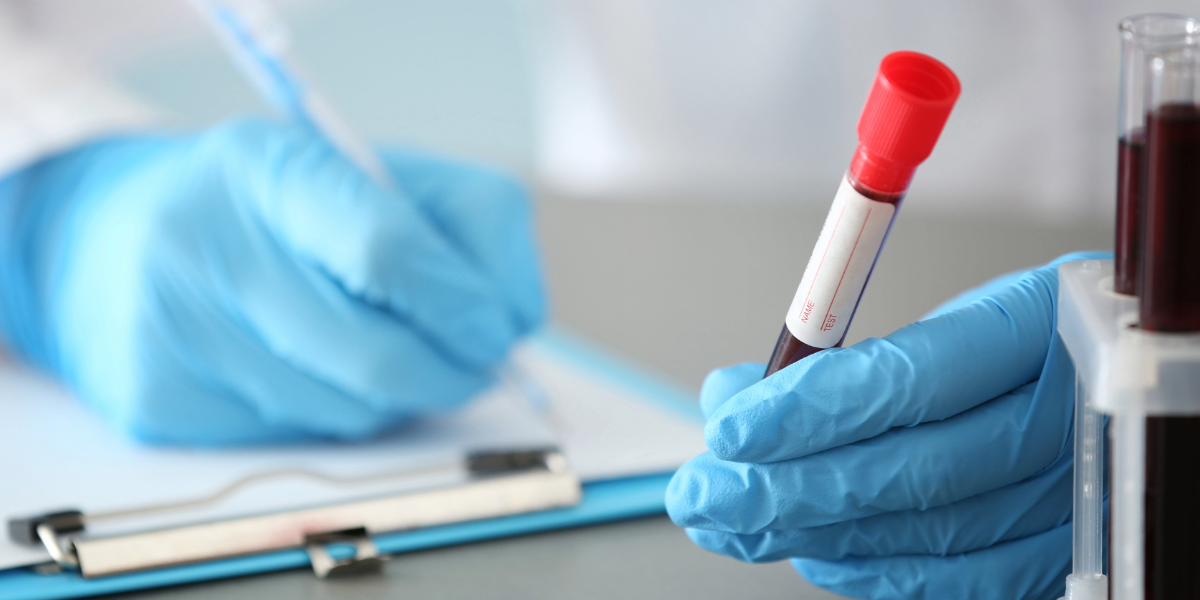
Thousands of NHS patients in England are set to take part in a groundbreaking trial of new blood tests designed to identify multiple cancers from a single sample, offering fresh hope for earlier diagnosis and improved survival rates. The government-backed programme will involve more than 20,000 patients across around 200 GP practices and aims to tackle one of the biggest challenges in cancer care: detecting hard-to-diagnose cancers before they have spread. The trial will focus particularly on abdominal cancers, including pancreatic, liver, ovarian, stomach and bowel cancers, diseases that often present with vague symptoms such as bloating, abdominal discomfort, indigestion or changes in bowel habits. Those symptoms can frequently be mistaken for less serious conditions, leading to delays in diagnosis.
Using advanced technology, including artificial intelligence, the blood tests will analyse proteins and fragments of DNA released by tumours into the bloodstream. Scientists hope the tests will help GPs identify patients who need urgent investigations much sooner than is currently possible. The study, known as STRIDE-RCT and led by the University of Birmingham, will assess whether these tests are accurate enough for wider NHS use. Researchers believe the technology could eventually detect up to 13 different cancers from a single blood sample.
The potential impact is significant
Around 71,000 people in England are diagnosed each year with abdominal cancers, while nearly 35,000 die from the disease. Survival rates are dramatically higher when cancers are caught early. For example, around nine in ten people diagnosed with bowel cancer at stage one survive for at least five years, compared with approximately one in ten diagnosed at stage four. For the West Midlands, where cancer remains one of the region’s leading causes of death, the trial places Birmingham and the wider region at the centre of a potentially transformative development in healthcare. If successful, the technology could reduce pressure on NHS services, speed up diagnosis and improve outcomes for thousands of patients every year.
Welcoming the announcement, Amy Deakin, Managing Partner of Life Sciences Week, said the trial demonstrates both the strength of the UK’s growing life sciences sector and the potential of innovation to improve patient outcomes.
“This is exactly the type of innovation that showcases the UK’s growing global leadership in life sciences. The ability to identify cancers earlier through advanced diagnostics, data science and artificial intelligence has the potential to transform patient outcomes and save lives.
“The UK life sciences sector continues to be one of our greatest success stories, bringing together researchers, clinicians, universities and industry partners to develop technologies that can make a real difference to patients and their families. Earlier diagnosis remains one of the most powerful tools we have in the fight against cancer, and it is encouraging to see the NHS supporting trials that could fundamentally change how these diseases are detected and treated.
“For patients facing the uncertainty of cancer symptoms, innovations like these offer hope that future diagnoses can be made earlier, treatments can begin sooner and survival rates can continue to improve.”
Experts are careful to stress that a positive blood test will not automatically mean a patient has cancer, just as a negative result cannot guarantee an all-clear. Instead, the tests are designed to give GPs a powerful new tool to determine which patients require further scans, investigations and specialist referrals. The trial also reflects a growing shift towards AI-assisted healthcare, where technology is increasingly being used to support clinicians in making faster and more accurate decisions. While previous multi-cancer blood tests have delivered mixed results, NHS leaders believe the latest generation of diagnostic tools could play a crucial role in meeting one of the government’s key healthcare ambitions: diagnosing more cancers at an earlier, more treatable stage. If the trial proves successful, it could mark one of the most significant advances in cancer detection seen by the NHS in recent years, offering patients a better chance of treatment, recovery and survival while further cementing the UK’s position as a global leader in life sciences innovation.