By West Midlands News
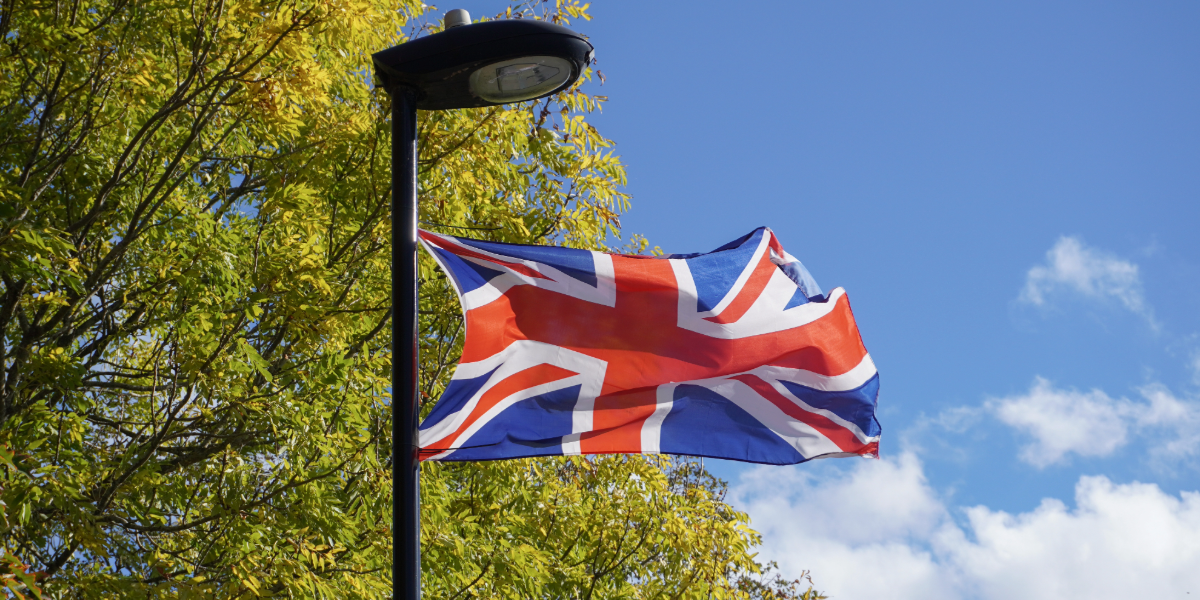
Birmingham City Council has won a High Court injunction preventing campaigners from attaching flags to lampposts, bridges and other pieces of public infrastructure across the city.
On paper, the judgement appears straightforward. The court accepted the council’s argument that the dispute was never about which flag was being displayed, but about the unauthorised use of public property. Union Flags, Palestinian flags, political banners and campaign insignia are all treated equally under the order. If they are attached to council-owned street furniture without permission, they can now be removed and those responsible could face legal consequences.
Yet while the council has secured a legal victory, many Birmingham residents may be asking a more uncomfortable question: was this really the battle the city needed to fight?
Birmingham remains a local authority under intense financial pressure. Residents continue to experience concerns over road maintenance, neighbourhood services, fly-tipping, housing pressures and the long shadow cast by the council’s well-publicised financial difficulties. Against that backdrop, some taxpayers will inevitably question why public funds, legal resources and officer time have been devoted to pursuing campaigners placing flags on lampposts when so many other challenges continue to affect daily life across the city.
Supporters of the council’s action argue that such criticism entirely misses the point.
They contend that this case was never simply about flags. It was about who controls public space. If one organisation is permitted to use public infrastructure without authorisation, what prevents another group from doing the same? If a council cannot enforce rules governing its own assets, those rules quickly become meaningless.
Viewed through that lens, Birmingham City Council may argue it had little choice but to act.
The dispute centres on Raise the Colours, a campaign group that gained prominence after hundreds of Union Flags appeared across Birmingham and other locations throughout the Midlands. What began as a patriotic campaign attracted significant public attention before becoming increasingly associated with wider political issues, including immigration and asylum debates.
The movement’s supporters saw the displays as an expression of pride in country and community. Critics argued that the campaign had evolved into something much more politically charged.
That tension ultimately found its way into the courts.
During proceedings, Raise the Colours argued that restrictions on flag displays could interfere with political expression. The court, however, sided with the council’s position that freedom of expression does not automatically grant a right to use public infrastructure without permission.
Crucially, the judge rejected suggestions that Birmingham had effectively banned the Union Flag. The ruling makes clear that the same restrictions apply regardless of whether a flag is patriotic, political, cultural or religious.
But while the legal position may now be settled, the political debate is only just beginning.
Critics of the injunction see a council spending scarce resources pursuing a symbolic victory while residents continue to grapple with real-world problems. Supporters see a local authority defending the principle that public assets belong to the public and not to whichever campaign group shouts the loudest or acts first.
Both arguments carry weight.
The larger question is whether Birmingham City Council’s victory represents prudent governance or a distraction from far more pressing issues. In a city where every pound of public money is scrutinised, that debate is likely to continue long after the final flag has been taken down.
What this judgement has undoubtedly established is a precedent. The courts have confirmed that public infrastructure cannot simply be claimed by campaign groups, regardless of their cause.
Whether Birmingham’s taxpayers believe that principle was worth the cost of fighting for is another matter entirely.