
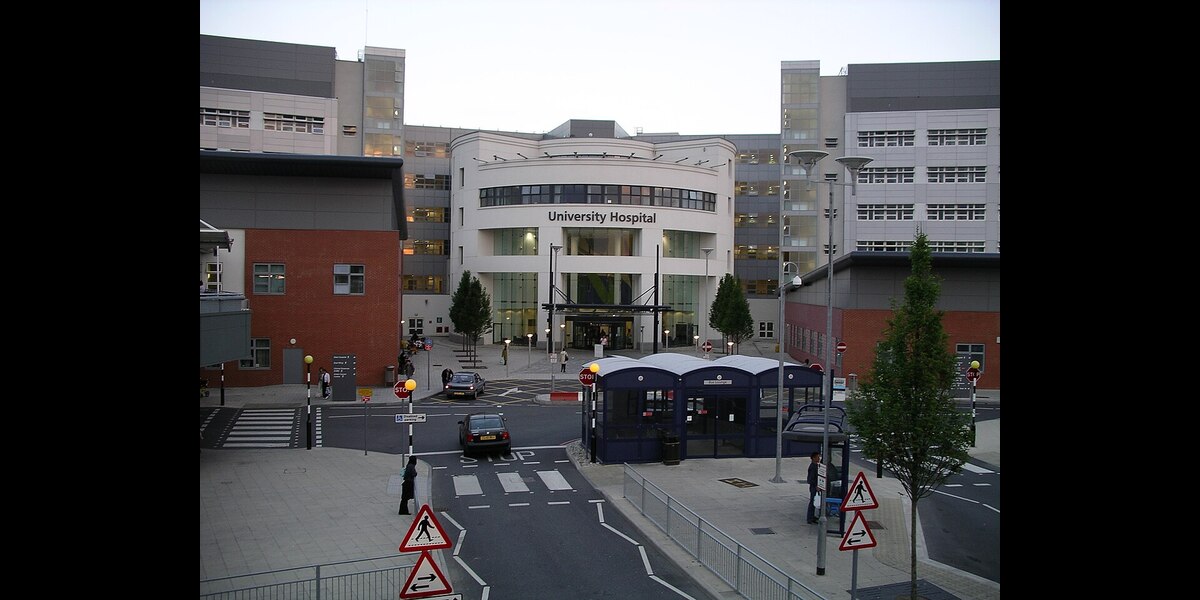
Brain cancer patients who were given years of chemotherapy they did not need are calling for a public inquiry. A Royal College of Physicians (RCP) review identified “serious and systemic failings” in the neuro-oncology service at University Hospitals Coventry and Warwickshire NHS Trust (UHCW). The story was reported on 18 November 2026.
What the review found
At the centre of the story is a chemotherapy drug called temozolomide, usually shortened to TMZ. It is typically meant to be taken for six months.
The RCP reviewed 20 cases in which brain cancer patients under the care of retired clinical oncologist Ian Brown were given unnecessary TMZ treatment, from the early 2000s until 2023. The review’s findings, as reported, included the following:
- Some patients took the drug for longer than the recommended six months, in one case for 13 years.
- Others were misdiagnosed or wrongly told they would die if they stopped taking it.
- Another patient developed blood cancer after being given chemotherapy for years.
Lawyers acting for patients say some were led to believe that stopping chemotherapy would be harmful, even though the RCP found extended treatment had no evidence base.
The RCP has recommended that every living patient treated with more than 12 cycles of TMZ has their case independently reviewed.
How it came to light
The problem emerged in 2024, when Professor Brown retired from the trust after almost 30 years. His patients were passed to other doctors, who noticed discrepancies in their care. The trust says those clinicians’ concerns led it to ask the RCP to review the care independently.
The review took longer than planned. Its findings had been expected before the end of 2025, but patients were later told they would not be published until September. The trust acknowledged that the delay might cause further anxiety.
The patients’ stories
Two patients have spoken publicly about what happened to them.
Becky Jones was 21 when she was wrongly told she had a brain tumour and had six to 12 months to live. She was then given more than 100 cycles of TMZ over more than a decade. She said that for years she questioned why she was still receiving chemotherapy when her scans were stable, but she was repeatedly told that without it she would die. She said the experience cost her career opportunities and family moments, and that she now wants a full and honest explanation.
David Bown was diagnosed with a brain tumour in 2016 and suffered permanent neurological damage after complications following surgery. He was later treated with TMZ for more than eight years, and he has now lost the ability to speak. His father, Stephen, said many questions remain about how it was allowed to happen.
The call for a public inquiry
Lawyers representing more than 40 patients say many more could still be affected. They are calling on the Health Secretary to commission an independent public inquiry.
Fiona Tinsley, a partner at law firm Brabners, said the failings did not happen in isolation and were enabled by repeated failures in oversight across the service for around two decades. She said an inquiry should establish how the failures became embedded, why the safeguards did not work, who had chances to step in, and how many more people may be affected.
The trust’s response
The trust’s leaders have apologised. Chief executive Prof Andy Hardy and chair Sue Noyes said they were deeply sorry to all affected patients and families. They said the findings raise serious questions about individual clinical decisions and historical governance, and that the trust accepts the RCP’s findings.
The trust says it has taken several steps:
- It is reviewing cases back to 2005, when national guidance for TMZ was first published.
- It has strengthened clinical governance so that treatment decisions are made within multidisciplinary teams.
- It is carrying out an independent review of its speaking-up processes, so staff feel confident raising concerns.
- It has begun talks with the NHS England regional director of patient safety about how to review deceased patients who received non-standard chemotherapy regimes.
The trust also sought to reassure current patients, saying anyone currently receiving cancer treatment there can be confident that their care is safe, effective and closely monitored.
What remains unclear
Several important questions are still open. The RCP reviewed only 20 cases, so the full scale of the problem is not yet known. The lawyers’ figure of more than 40 patients suggests it may be wider, and the review of deceased patients has not begun. None of the reports I found mentions a decision from the government on whether to hold a public inquiry.
For now, the patients and families at the centre of the story are still waiting for the explanation and accountability they say they have been fighting for.