As another winter approaches in Ukraine, the war shows little sign of ending. Missiles continue to fall, drones continue to strike civilian targets, and Western leaders continue to make highly symbolic visits to Kyiv to demonstrate support for President Volodymyr Zelenskyy.
This week was no different.
Zelenskyy welcomed another round of Western backing, expressing gratitude for the continued support of allies at a time when Russia has intensified its attacks. The latest escalation follows Ukrainian strikes on the Kerch Bridge linking Russia to occupied Crimea, a structure that carries both enormous military importance and huge symbolic value for Vladimir Putin.
For Ukraine, the bridge is a legitimate military target. For Moscow, it is a symbol of Russian control over Crimea and an essential supply route for troops and equipment. Unsurprisingly, the attack triggered another wave of Russian retaliation.
The question many are now asking is straightforward: does any of this bring peace closer, or does it simply push the conflict into another cycle of escalation?
Russia argues Ukraine is provoking the conflict. Ukraine points to years of Russian missile strikes against cities, bridges, power stations and civilian infrastructure. Both sides claim their actions are defensive. Meanwhile, ordinary Ukrainians continue to pay the highest price.
Recent attacks on President Zelenskyy’s hometown reportedly killed a seven-year-old child. In another incident, a young medic who rushed to assist victims was later killed in a follow-up drone strike. These stories have become tragically familiar. Behind the military statistics and diplomatic statements lies a relentless human cost that shows no sign of easing.
Yet as Ukraine battles on, attention is increasingly turning not just to Moscow, but also to Washington.
Trump Changes the Conversation
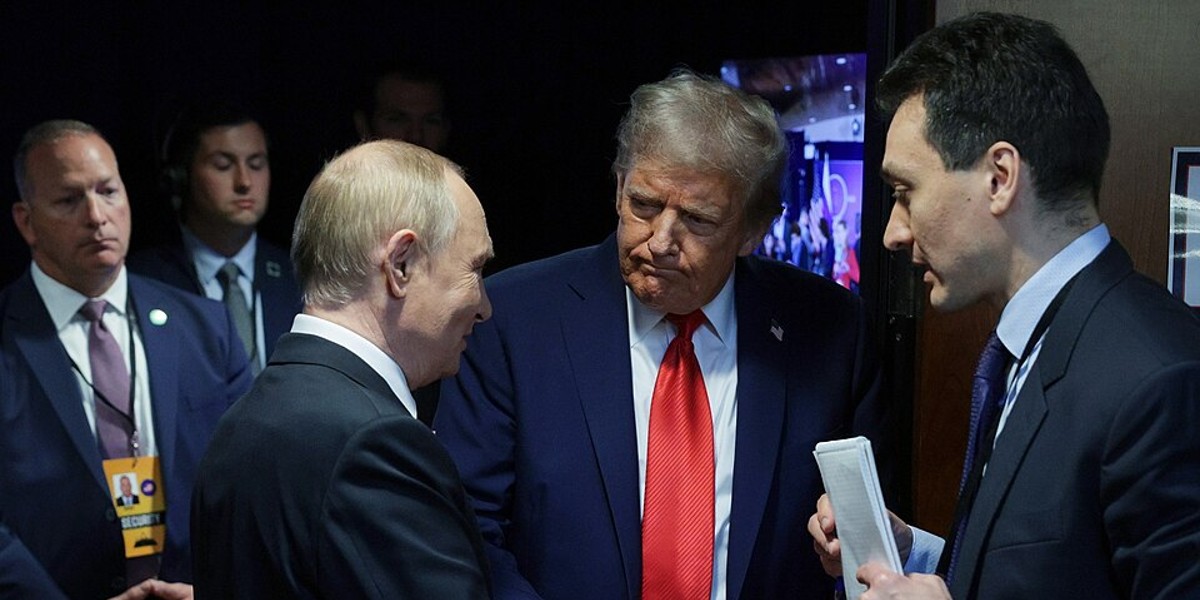
Donald Trump has spent much of the past year presenting himself as the one leader capable of ending the war.
Whether supporters see that as confidence or critics see it as self-promotion depends largely on political perspective. What is beyond dispute is that Trump has dramatically changed the international conversation surrounding Ukraine.
His rhetoric towards Putin has often contrasted sharply with the language used by European leaders. While governments across Europe continue to describe Putin as a direct threat to continental security, Trump has repeatedly emphasised negotiation and personal diplomacy.
To his supporters, that is realism.
To his critics, it is dangerous.
Many European governments worry that any settlement heavily driven by Washington could leave Ukraine under pressure to accept territorial concessions while Russia emerges with significant gains.
Others argue that after years of bloodshed, diplomacy must ultimately replace military solutions regardless of how uncomfortable that process may be.
The reality is that Trump appears increasingly focused on delivering a headline-grabbing diplomatic achievement. Whether that produces a lasting peace or simply a temporary pause remains an open question.
Critics would go further and ask whether Trump is positioning himself not simply as a peacemaker but as the central figure in the story. Every major statement appears carefully designed to reinforce the idea that only he can solve problems others have failed to resolve.
It is a political strategy that has served him well throughout his career.
Where Does Britain Fit In?
Perhaps the bigger question for the UK is what role Britain now wants to play.
Successive governments have been among Ukraine’s strongest supporters. British military aid, training programmes and diplomatic backing have been significant since the start of the invasion.
The UK has consistently argued that supporting Ukraine is not simply about helping another country defend itself. Ministers have repeatedly framed the conflict as a battle over the future security of Europe.
That argument remains persuasive to many.
If Russia succeeds through military force, what message does that send to other states with territorial ambitions?
Yet three years into the war, voters are entitled to ask what success actually looks like.
Is Britain’s objective the complete liberation of all occupied Ukrainian territory?
Is it forcing Russia to negotiate?
Is it supporting Ukraine for as long as necessary regardless of cost?
Or is it ultimately preparing the ground for a settlement that everyone knows will involve difficult compromises?
These questions are rarely answered clearly.
The public is frequently told why Britain must stand with Ukraine, but there is often less discussion about what the destination looks like.
A Growing Divide Across the West
The challenge facing Western leaders is that unity is becoming harder to maintain.
Economic pressures remain significant.
Defence spending is rising.
Governments face demands to invest more in public services, infrastructure and economic growth.
Across Europe there are increasing debates about where resources should be directed.
That does not mean support for Ukraine is collapsing. Far from it.
But it does mean politicians are having to work harder to justify long-term commitments to voters facing pressures of their own.
The West Midlands is not immune from those concerns.
Local authorities remain under financial pressure. Businesses continue to face uncertainty. Families are dealing with rising living costs and stretched public services.
Many residents support Ukraine wholeheartedly while still asking legitimate questions about priorities, spending and long-term strategy.
That should not be seen as opposition to Ukraine. It is a reasonable democratic debate.
The Reality Behind the Headlines
For all the political manoeuvring, one fact remains unchanged.
The war continues because Vladimir Putin’s forces remain inside Ukraine and because neither side currently appears willing or able to accept the terms demanded by the other.
Diplomatic summits, political speeches and carefully choreographed visits generate headlines, but events on the battlefield still shape the reality.
Putin continues to talk about peace while Russian missiles continue to strike Ukrainian territory.
Ukraine continues to talk about victory while acknowledging the immense challenges it faces.
Trump continues to present himself as the man who can end the conflict.
And Britain continues to offer support while explaining surprisingly little about what the final outcome should look like.
That may become one of the defining political questions of the next year.
Not whether Britain should support Ukraine, but what success actually means.
Because while Donald Trump increasingly appears focused on securing a place in the history books and demonstrating his own deal-making credentials, the UK needs a strategy that goes beyond personalities.
The people of Ukraine need more than symbolism.
British taxpayers deserve more than slogans.
And Europe requires more than hopeful promises.
Three years into this war, it is no longer enough to ask how long support will continue.
The harder question is this: what is the plan to turn that support into a lasting peace?