The return of large-calibre weapons manufacturing to Britain after more than two decades marks a significant development for the UK’s defence industry, with Rheinmetall’s new Telford facility highlighting the growing importance of the West Midlands to Britain’s defence ambitions.
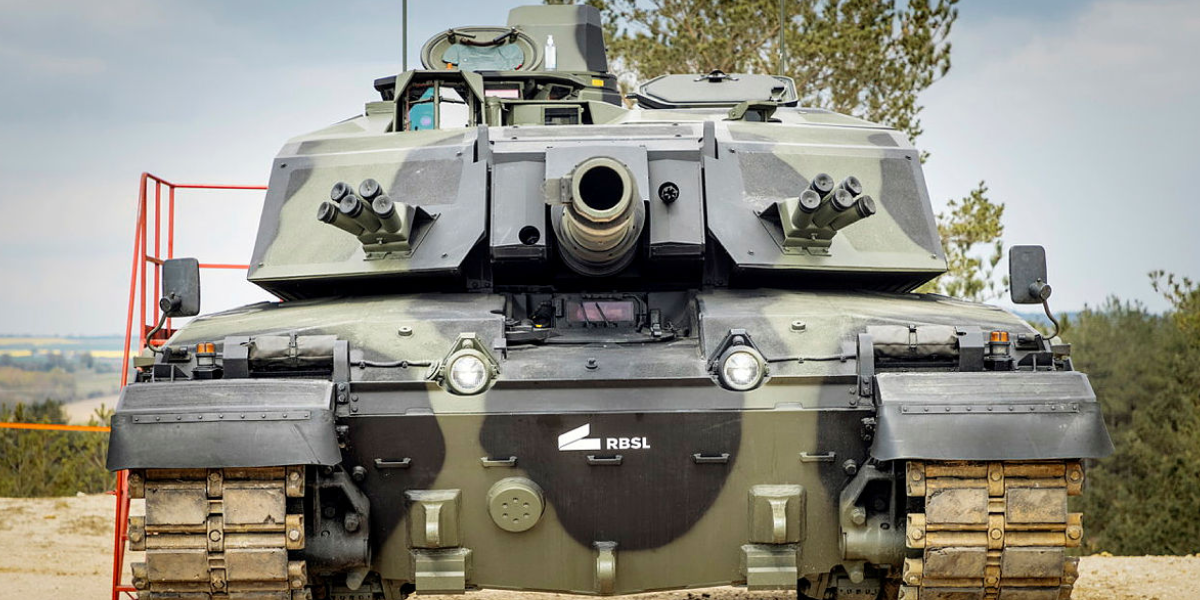
The German defence manufacturer officially opened its UK Gun Hall on 22 October, restoring domestic production of gun barrels and breeches for 120mm and 155mm weapon systems, including those used by the Challenger 3 main battle tank and future artillery programmes.
The facility forms part of Rheinmetall’s wider £200 million investment across its UK operations and is expected to support more than 100 skilled jobs as production expands.
While the investment strengthens Britain’s ability to manufacture critical military equipment domestically, its significance extends beyond national security. It also presents an opportunity for West Midlands manufacturers to establish themselves within an expanding defence supply chain.
The region has a long-established reputation for engineering excellence, particularly in automotive, aerospace, precision manufacturing and advanced materials. Many of these capabilities are directly transferable to defence, creating potential opportunities for businesses looking to diversify into new markets.
However, increased defence spending does not automatically translate into contracts. Businesses seeking to enter the sector face challenges around procurement processes, accreditation, production standards and access to major defence contractors.
Dr Richard Fallon, who is leading Birmingham’s Defence Procurement Conference, believes the Telford investment demonstrates the importance of rebuilding Britain’s industrial capabilities.
“The reopening of large-calibre weapons manufacturing in Britain represents far more than the creation of jobs. It demonstrates the importance of sovereign capability, industrial resilience and ensuring that the United Kingdom can manufacture critical defence equipment when it is needed most.”
The investment comes as the UK and its NATO allies seek to strengthen defence readiness, increase manufacturing capacity and reduce vulnerabilities within critical supply chains.
For the West Midlands, the opportunity is considerable. The region’s established manufacturing base, universities and specialist engineering businesses provide a strong foundation for supporting future defence programmes.
Dr Fallon added:
“The West Midlands is uniquely positioned to support the next generation of defence innovation and manufacturing. The region combines world-class engineering expertise, exceptional universities, established supply chains and a highly skilled workforce. As defence spending increases across NATO nations, the West Midlands has a real opportunity to become one of Europe’s leading defence and security clusters.”
Turning that potential into economic growth will require closer collaboration between government, major defence contractors and regional manufacturers, particularly smaller businesses seeking to understand procurement requirements and access new opportunities.
These challenges will be among the issues discussed at the Defence Procurement Conference, taking place in Birmingham on 16 and 17 June 2027. The event will bring together defence manufacturers, military representatives, policymakers and technology businesses to explore procurement, innovation and supply chain development.
Rheinmetall’s investment is an important step towards restoring Britain’s defence manufacturing capability, but its longer-term economic impact will depend on how effectively that investment reaches the wider supply chain.
For West Midlands manufacturers, the opportunity is not simply to benefit from increased defence spending, but to become an integral part of the UK’s future defence industrial base.