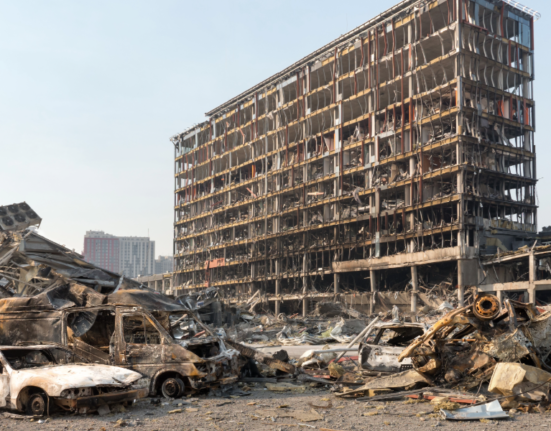
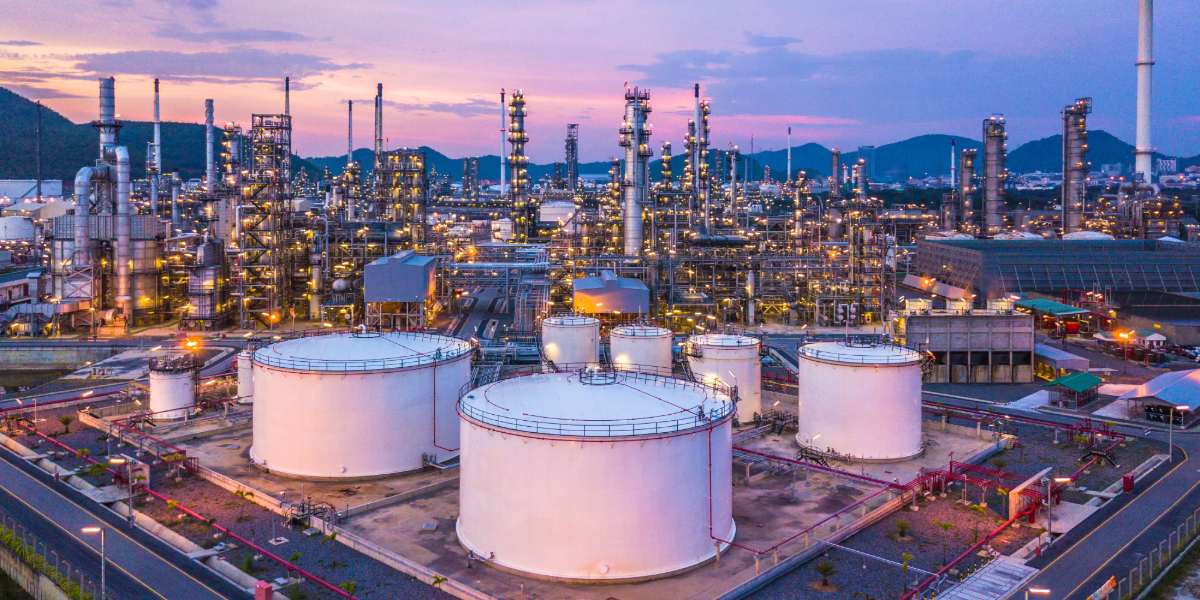
Oil prices have climbed to their highest level in five months following renewed attacks on Saudi energy infrastructure and commercial shipping routes, increasing fears of further disruption to global energy supplies. Brent crude rose above $113 a barrel on Thursday as traders reacted to escalating tensions across the Gulf region. The latest market surge comes after reported attacks on Saudi Aramco facilities and continued strikes against vessels operating in and around the Strait of Hormuz, one of the world’s most important energy transit corridors. Analysts say the growing threat to oil production and transportation is forcing markets to price in a higher geopolitical risk premium. Concerns deepened after reports that Saudi Aramco ordered staff to evacuate its headquarters in Dhahran, near Bahrain, amid intensifying hostilities involving Yemen’s Houthi movement. The Iran-aligned group has claimed responsibility for a series of recent attacks targeting Saudi infrastructure, adding to fears that the conflict could broaden further and place additional pressure on regional supply chains. Speaking to BBC News, Dr Carol Nakhle, Chief Executive of Crystal Energy, said the increasing scale and frequency of attacks suggest a deliberate escalation at a politically sensitive moment. She argued that Iran and its regional allies may be seeking to increase pressure on Washington ahead of upcoming US midterm elections, although she cautioned that such a strategy could prove counterproductive.
Dr Nakhle said energy markets are not only watching the attacks themselves but also how quickly damaged infrastructure can be repaired and production restored. While the situation remains highly volatile, she noted that global markets have so far demonstrated a greater capacity to absorb supply shocks than many analysts might have expected.
That resilience is important because the current crisis extends well beyond crude oil. Natural gas, diesel, shipping and wider energy supply chains are also under strain as conflict affects several of the world’s largest energy-producing nations simultaneously. Despite the recent rally, some analysts believe markets continue to assume that key export routes will remain operational and that major supply disruptions can be avoided.
Why It Matters to the West Midlands
While the fighting is taking place thousands of miles away, the economic consequences could be felt much closer to home.
The West Midlands remains one of Britain’s most important manufacturing and logistics regions, with businesses heavily reliant on transport networks, freight movements and energy-intensive production. Any sustained increase in oil prices has the potential to raise operating costs for manufacturers, hauliers and distributors across Birmingham, Wolverhampton, Coventry and the Black Country.
Higher crude prices can also feed directly into petrol and diesel costs, placing additional pressure on households already facing elevated living expenses. Businesses transporting goods throughout the UK may also face rising fuel bills, costs that are often passed through supply chains to customers.
For a region with a strong automotive heritage and significant manufacturing presence, continued instability in global energy markets is likely to be watched closely by employers and policymakers alike.
What Happens Next?
Attention is now focused on whether the latest attacks represent a temporary escalation or the beginning of a more prolonged period of instability across the Gulf.
Energy traders will be monitoring any further strikes on Saudi infrastructure, developments in the Strait of Hormuz and signs of disruption to production or exports. Markets will also be looking for diplomatic efforts to reduce tensions and prevent a wider conflict.
For now, with oil infrastructure, shipping routes and regional security all under pressure, analysts expect energy markets to remain volatile in the weeks ahead. Any further escalation could increase upward pressure on fuel prices and inflation, with consequences that would be felt not only in global financial markets but also across businesses and households throughout the West Midlands.