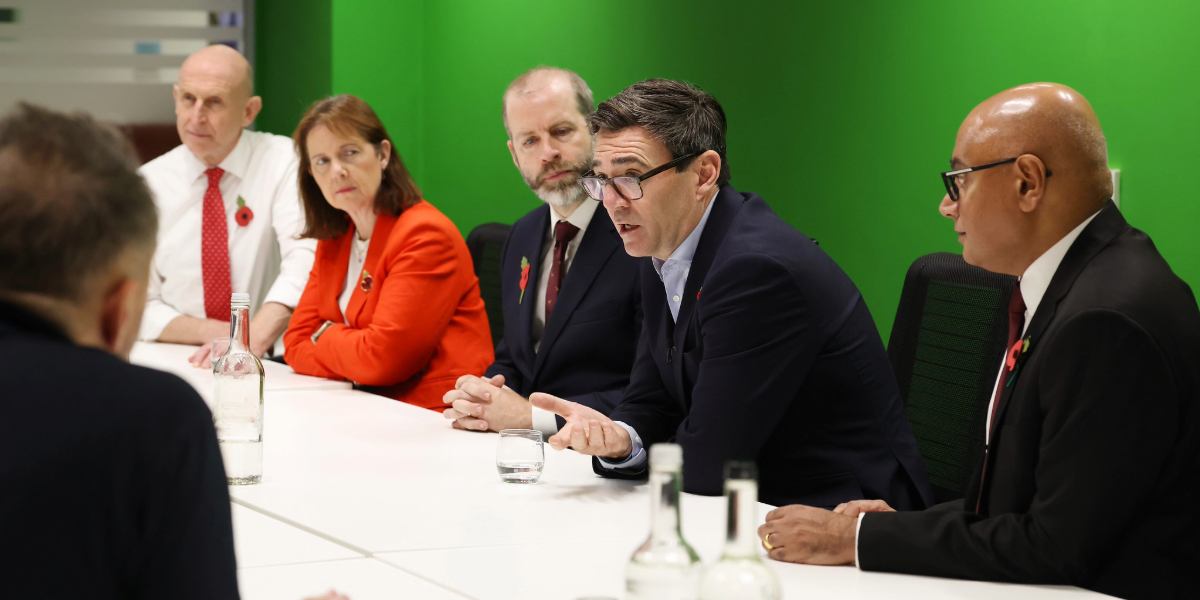
Prime Minister Andy Burnham has insisted his Government is working “flat out” to bring down the cost of Britain’s welfare bill, but refused to set a deadline for when taxpayers can expect to see spending fall. The comments came during a visit to Rolls-Royce in Derby, where the Prime Minister was promoting the Government’s economic agenda in the wake of this week’s Budget. But attention quickly turned to welfare reform, an issue that has become one of the biggest challenges facing the new administration. Despite repeated warnings about the rising cost of benefits and long-term economic inactivity, the Budget contained no major package of welfare reforms. That omission has prompted fresh questioning from opposition parties and economic commentators who argue that controlling welfare spending is essential if the Government is to meet its wider fiscal ambitions.
Asked directly whether he could guarantee the benefits bill would be lower by the next General Election, Mr Burnham declined to make a firm commitment.
Instead, the Prime Minister said the Government wanted to reduce welfare spending “as quickly as possible” and was now fully focused on the next stage of reform following the completion of the Budget process. He pointed to the forthcoming Milburn Report as a key part of the Government’s plans to reshape the system and address stubborn levels of economic inactivity.
The exchange highlights the political dilemma facing Mr Burnham. On one hand, ministers argue that too many people remain trapped outside the labour market and that helping more people into work is the most effective way to reduce welfare dependency. On the other, the Government faces pressure from within Labour and from campaign groups to avoid reforms that could disadvantage vulnerable claimants.
For taxpayers, however, the central question remains unanswered. While ministers continue to acknowledge that welfare spending is rising at a pace that raises long-term concerns, there is still no clear timetable for when savings will be delivered or what specific measures will drive those reductions.
The issue is particularly significant for regions such as the West Midlands, where employers across manufacturing, engineering, logistics and professional services continue to report skills shortages alongside a substantial number of people remaining economically inactive. Business leaders have repeatedly argued that getting more people into employment would support growth, increase productivity and reduce pressure on the public finances.
Mr Burnham’s comments suggest that welfare reform will now move closer to the centre of the Government’s agenda. But until detailed proposals are published, questions will remain over whether Labour can balance support for those who need it most with the growing demand for action to curb the escalating cost of the welfare state.
For now, the Prime Minister’s message is clear: reform is coming. What remains unclear is exactly when the Government expects the welfare bill to start falling — and by how much.