By West Midlands News
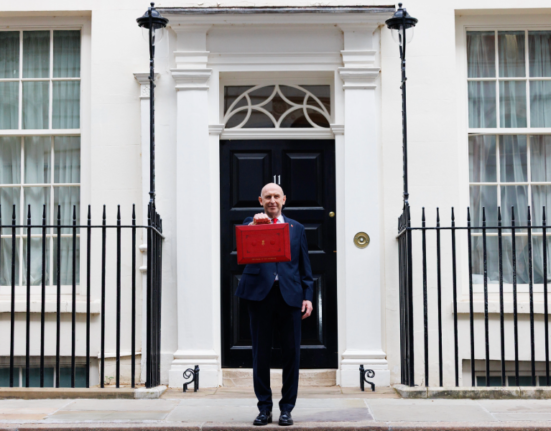
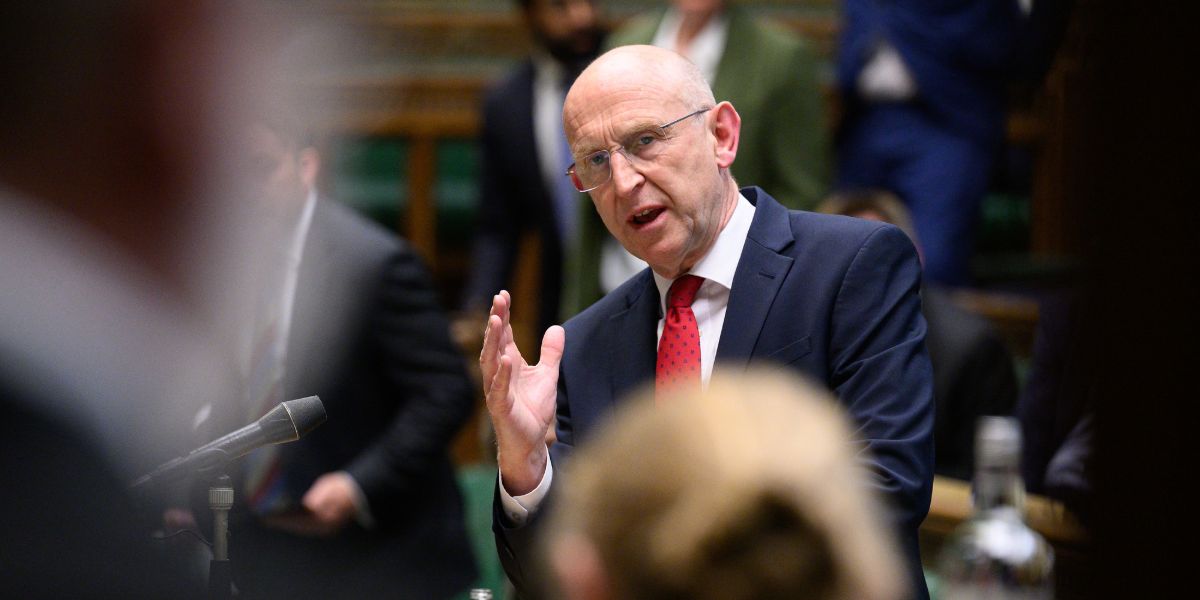
There was no shortage of announcements in John Healey’s first Budget as Chancellor. There was help with energy bills, changes to pensions, more funding to tackle rough sleeping, commitments on defence spending and promises of future reform. Yet when the dust settles, the overriding question remains: where is the long-term vision?
The Government will point to fiscal discipline. Supporters will argue that stability is precisely what Britain needs after years of economic turbulence. But stability and growth are not the same thing.
The challenge facing Britain today is not simply balancing the books. It is how the country generates the wealth required to pay for public services, defence, pensions and welfare in the decades ahead. On that test, this Budget feels more like a management exercise than a blueprint for national renewal.
The Chancellor’s own figures tell part of the story. Tax receipts as a share of the economy are forecast to reach record levels, while economic growth remains modest and productivity challenges remain unresolved. The Government is effectively asking businesses and working households to carry an increasingly heavy burden while offering relatively little in return by way of transformational economic reform.
That matters because Britain’s challenges are becoming harder, not easier.
Across Europe, governments are increasing defence expenditure as geopolitical instability becomes the new normal. The United States continues to invest heavily in technology and industrial capacity. China remains focused on advanced manufacturing and strategic industries. Meanwhile, Britain continues to debate incremental changes to tax rates, standing charges and spending settlements.
The contrast is difficult to ignore.
Perhaps the most glaring omission is the lack of a convincing industrial strategy.
The Budget talks about growth, but genuine growth comes from productivity, investment and innovation. It comes from building more homes, supporting manufacturing, investing in infrastructure and backing sectors capable of competing internationally. There was little evidence of a bold plan to do any of those things at scale.
Housing provides a good example.
The Government’s target of delivering 1.5 million homes is already looking increasingly ambitious. Ministers themselves have acknowledged the challenge. Yet if Britain is serious about improving living standards, affordability and economic mobility, housing supply should be at the centre of economic policy rather than sitting on the sidelines of it.
The same could be said of defence.
The Chancellor reaffirmed a target of reaching 3% of GDP on defence by 2030, but offered few details about how that will actually be achieved. In an era where Britain is demanding more from its armed forces while encouraging domestic defence manufacturing, industry leaders will be looking for certainty rather than aspirations.
This matters enormously for regions such as the West Midlands.
Across Birmingham, Coventry, the Black Country and Staffordshire, businesses are investing in advanced manufacturing, engineering and defence technologies. They need long-term procurement commitments, investment incentives and confidence that Britain intends to strengthen its industrial base. Today’s Budget offered encouragement, but not necessarily certainty.
The life sciences sector faces a similar challenge.
Britain remains one of the world’s leading life sciences economies. Our universities, researchers and innovators continue to attract global admiration. Yet international competition for investment is intense. Countries around the world are actively positioning themselves as destinations for health technology, pharmaceutical research and biotechnology. The question is whether Britain is doing enough to stay ahead.
Then there is the issue politicians continue to avoid: productivity.
For more than a decade Britain has struggled with weak productivity growth. It is the single biggest factor behind stagnant wages and limited economic expansion. Raising productivity is difficult, often politically unrewarding and rarely achieved through headline-grabbing announcements. But without addressing it, many of today’s fiscal pressures will simply reappear in future budgets.
Supporters of the Budget will argue that the Government is being realistic. They will say there is little appetite for radical reform and that stability must come first.
Perhaps they are right.
But there are moments in a nation’s history when caution carries risks of its own.
Britain faces growing international competition, an ageing population, rising defence demands and significant pressure on public services. Meeting those challenges requires more than prudent accounting. It requires ambition.
John Healey’s first Budget may prove politically careful and fiscally responsible. Yet history is unlikely to judge it by those measures alone.
The real test is whether it helps Britain become wealthier, more productive, more secure and more competitive.
On that question, many businesses across the West Midlands may conclude that today’s Budget answered too few questions and left too many opportunities untouched.