By West Midlands News
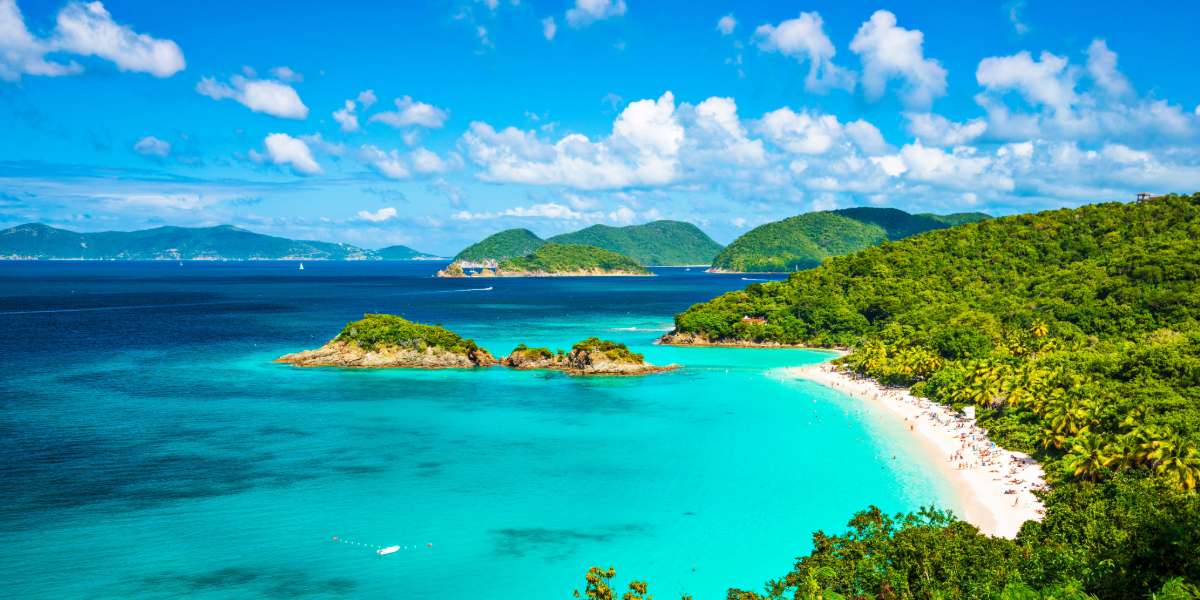
King Charles has begun his first visit to the Caribbean as monarch, arriving in the Bahamas for a nine-day tour that is expected to focus as much on history as it does on the future.
The King’s visit comes at a time when many Caribbean nations continue to reflect on the legacy of slavery, colonialism and their historic relationship with Britain. During his first speech in the Bahamas, the King acknowledged the suffering caused by the transatlantic slave trade and the injustices endured by generations across the region.
“It is only right that we should acknowledge the great suffering and injustices of the past in these islands and beyond, even as we rejoice in the successes of the present and build new opportunities for the future.”
The remarks were among the strongest made by a British monarch on the subject and demonstrate an awareness that these issues remain important across the Caribbean today.
While debates around Britain’s colonial past often focus on historical injustices, they are also closely linked to another story that has helped shape modern Britain the story of the Windrush Generation.
Following the Second World War, thousands of Caribbean men and women travelled to Britain to help fill labour shortages and support the country’s reconstruction. Many made their homes in Birmingham, Wolverhampton, Walsall, Sandwell, Dudley and Coventry, becoming part of the fabric of the West Midlands.
The impact they had on the region cannot be overstated.
They worked in the NHS, on the buses and railways, in factories, foundries and public services. They helped power the industrial economy at a time when Britain desperately needed workers and played a major role in helping communities grow and prosper.
Across the West Midlands, Caribbean families established businesses, churches, community groups and cultural organisations that continue to play an important role today. Their contribution helped shape the diverse and vibrant region we know today.
Walk through Birmingham, Wolverhampton or the Black Country and the influence of the Windrush Generation can still be seen everywhere — in education, healthcare, business, politics, music, sport and public life.
Many of the challenges those pioneers faced were significant. They often arrived to discrimination and social barriers, yet they persevered and built lives for future generations. Their children and grandchildren now occupy leadership positions across the public and private sectors, contributing to the continued success of the region.
That is why discussions about Britain’s relationship with the Caribbean should not only focus on past injustices but also on shared achievements.
The story of the Caribbean and Britain is complex. It contains painful chapters that should never be forgotten. But it also contains stories of resilience, determination and contribution.
For the West Midlands in particular, the Windrush Generation helped transform the region. They strengthened the economy, enriched local culture and helped create the diverse communities that are one of the area’s greatest strengths today.
As King Charles continues his tour, there will undoubtedly be further discussion about slavery, reparations and Britain’s colonial history. Those conversations matter.
But so does recognising the extraordinary contribution made by Caribbean communities to modern Britain.
The King’s acknowledgement of the past was important. Equally important is recognising how generations of Caribbean families helped build the Britain of today — and nowhere is that contribution more visible than in the West Midlands.