Nigel Farage used his Remembrance Sunday appearance to do far more than honour Britain’s war dead. In an interview that ranged from Brexit to defence, Donald Trump and parliamentary investigations, the Reform UK leader delivered a blunt warning that Britain is drifting back towards the European Union and accused Labour of betraying promises made to voters.
Ahead of laying a wreath at the Cenotaph for the first time as leader of a party with enough MPs to take part in the national ceremony, Farage described the occasion as a personal honour and reflected on the sacrifices made by generations of servicemen and women.
But remembrance quickly gave way to politics.
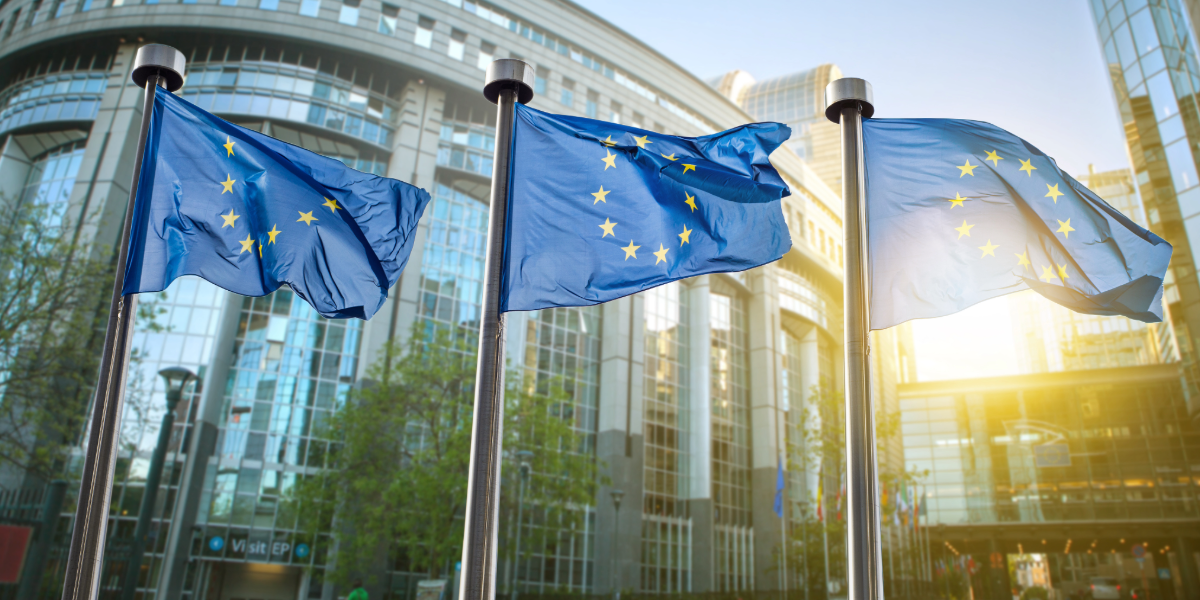
Farage launched a fierce attack on Sir Keir Starmer’s plans ahead of the upcoming UK-EU summit, claiming proposed agreements on trade, emissions and youth mobility represent a steady surrender of the independence voters backed in the Brexit referendum.
According to Farage, Britain is being pulled back towards Brussels by stealth.
He argued that any deal increasing alignment with EU rules, expanding European Court oversight or creating new migration pathways risks undermining the very purpose of leaving the European Union.
His warning comes as Labour seeks to strengthen economic co-operation with the UK’s largest trading partner while insisting it has no intention of rejoining the single market or customs union.
Farage is unconvinced.
In his view, each new agreement forms part of a broader pattern designed to gradually reverse Brexit without explicitly asking voters whether they want it.
The Reform UK leader also turned his fire on what he described as the treatment of military veterans.
Promoting his party’s defence policy, Farage argued that former soldiers have been subjected to years of repeated investigations and legal uncertainty, particularly in relation to operations in Northern Ireland and overseas conflicts.
He insisted that troops who served their country should not be repeatedly pursued decades after events occurred, warning that ongoing investigations are damaging morale and undermining recruitment into Britain’s armed forces.
Critics argue Reform’s proposals would hand too much influence to politicians over legal decisions, but Farage dismissed those concerns and instead accused governments of failing to stand behind those who served.
The interview then shifted across the Atlantic, where Farage offered a mixed assessment of Donald Trump.
While praising Trump’s economic record, energy strategy and action on illegal immigration, he issued a note of caution over rising tensions involving Iran.
Farage suggested one of Trump’s greatest political strengths had always been his promise to avoid prolonged foreign conflicts. Any departure from that principle, he warned, could carry political consequences.
Referring to previous Western interventions, he argued that military action without a defined objective or exit strategy has repeatedly led to failure.
His remarks reflected growing concerns in some conservative circles that another lengthy Middle Eastern conflict could prove politically damaging for Washington.
The interview ended with questions over an ongoing parliamentary standards investigation relating to financial support used to fund Farage’s personal security.
Confirming he had been interviewed, Farage defended the arrangements and argued the serious threats he has faced fully justify long-term security measures.
He stopped short of predicting the outcome but suggested he had little faith that Britain’s political establishment would deal fairly with the leader of what he sees as a growing insurgent movement.
The wider significance of the interview was clear.
Farage is no longer speaking solely as a political disruptor on the fringes. He now leads a parliamentary party with increasing influence and growing national support.
On a day dedicated to national remembrance, he used one of the country’s most watched political platforms to reaffirm the themes that have defined his political career: sovereignty, borders, defence, patriotism and distrust of established institutions.
With Labour facing mounting pressure over its relationship with Europe and Reform continuing to gain traction in the polls, Farage’s message was simple and direct.
The Brexit argument is not over.
It has merely entered its next chapter.