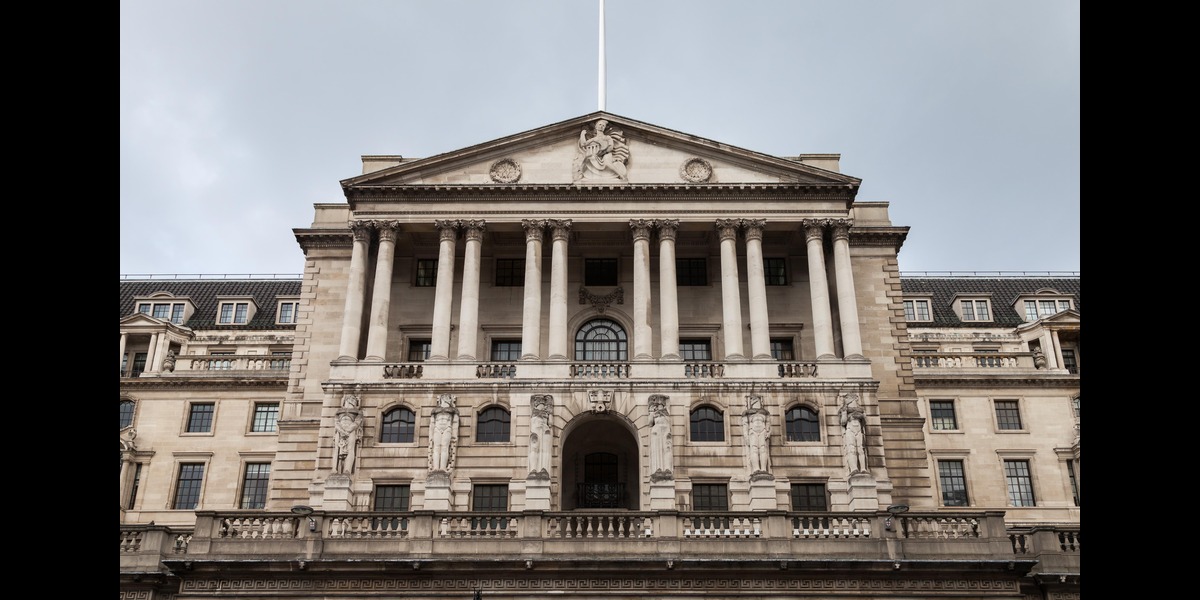
For the first time in 3 years, on the 4/11/2026, the Bank Of England have put up their interest rates. On 4 November, its Monetary Policy Committee voted 8–1 to raise Bank Rate by 0.25 percentage points, to 4%. One member wanted a bigger rise, of half a point. One report describes it as the first rise in more than three years.
If you run a business, manage a budget or have a mortgage, here is why it happened and what to do about it.
Why did the Bank of England raise interest rates?
The short answer is energy prices. It’s now the ninth month of the conflict within the Middle East, meaning global energy prices have kept rising from an already high level.
That has pushed up the cost of petrol, diesel, gas and electricity. UK inflation rose to 3.5% in September, and the Bank expects it to reach around 5% by the middle of next year.
The Bank’s job is to bring inflation back to its 2% target. Raising rates makes borrowing more expensive, which slows spending and takes pressure off prices.
Interestingly, the Bank admits there is limited evidence so far that higher energy costs are feeding through to other prices and wages. It chose to act early anyway, because the inflation pressure in the pipeline is now big enough to justify a rise. It also stressed that future moves are not on a pre-set path.
What does a higher interest rate mean for small businesses?
If your loans, overdraft or credit facilities are variable-rate, your costs will probably rise soon. Fixed-rate borrowing won’t change until it is renewed. There is some reassurance here. The Bank’s data shows rates on new bank lending to companies have been largely flat since July. The rise is a warning rather than an emergency, but it points in one direction.
The Bank’s latest survey suggests demand for credit from households and SMEs weakened in the third quarter. Many businesses are already being cautious.
Many firms have been protected by fixed-price energy deals. The Bank notes that as fixed-price contracts and hedging arrangements expire, higher energy prices will hit firms’ costs more widely. If your contract renews in the next year, find out now what the new price might look like.
What does it mean for mortgages?
Before this decisions, mortgage rates were already on the incline. Quoted rates on two-year fixed mortgages at 75% and 90% loan-to-value have risen by around 60 basis points (0.6 points) on average since July.
The Bank estimates that by the end of 2029, average annual mortgage payments will be around £700 higher than expected in July, and around £1,500 higher than before the conflict began.
The housing market is already feeling it. Mortgage approvals for house purchase fell 8% in the three months to September and reached their lowest monthly level since 2023.
If your fixed rate ends soon, speak to a mortgage adviser early. Many lenders let you secure a new rate month ahead.
How should higher rates change investment decisions?
Higher rates raise the bar for any project. Money now costs more, so each investment must earn more to be worthwhile. Three practical steps help:
- Stress-test your cash flow. Check you can cope if costs rise further.
- Prioritise quick payback. Projects that return money sooner look better when borrowing is dearer.
- Don’t freeze. The economy is more resilient than expected. UK GDP grew 0.5% in the second quarter, and business investment has been strong, partly driven by AI-related demand. Well-chosen investment can still pay off. The Bank expects growth to slow, so it is worth planning for a tougher 2027.
What happens next?
Nobody knows for certain. Financial market surveys expected a rise to 4% in November and to 4.25% in February. The Bank itself says it will respond to the evidence at each meeting, especially wage growth and pricing behaviour.
Much depends on energy prices, which in turn depend on events in the Middle East. That is why planning for a range of outcomes beats betting on a single forecast.