Concerns over crime, antisocial behaviour and personal safety are growing among Birmingham residents, with questions being raised about whether enough is being done to protect local communities.
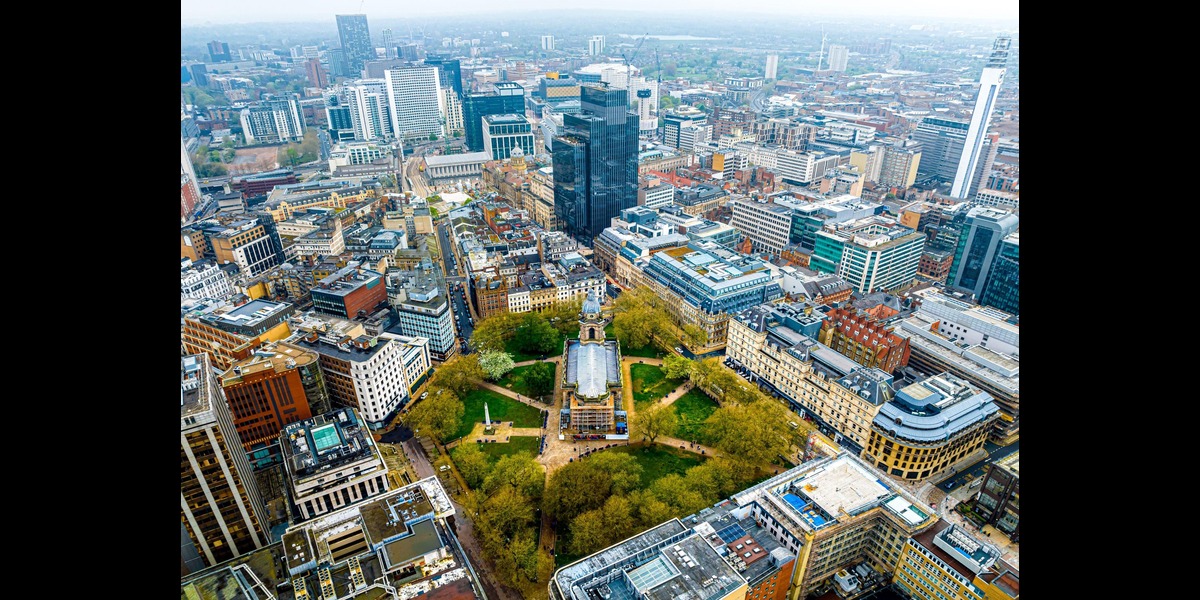
Birmingham, one of the UK’s largest and busiest cities, is facing growing conversations about public safety, with residents questioning whether their neighbourhoods are becoming less safe.
From concerns about antisocial behaviour and theft to worries about violence and safety on public transport, crime remains an important issue for people living, working and visiting the city.
For many residents, feeling safe in their local area is just as important as the actual crime figures. However, concerns about incidents in public spaces, particularly during the evening, have led to discussions about police visibility, community support and whether more action is needed.
Concerns among Birmingham residents
Across Birmingham, public safety is an issue that affects people of different ages and backgrounds. Some residents say they feel less comfortable walking through certain areas, particularly after dark, while others are concerned about the impact of antisocial behaviour on their communities.
Young people can be particularly affected by concerns surrounding safety. Travelling home from school, meeting friends in the city centre or using public transport can become more worrying when people feel uncertain about their surroundings.
For some families, these concerns also influence everyday decisions, including where their children are allowed to go and what time they are expected home.
However, it is important to recognise that experiences differ across Birmingham. While some neighbourhoods may experience particular challenges, others continue to have strong community relationships and residents who feel safe in their local surroundings.
Antisocial behaviour and public spaces
Antisocial behaviour is another issue frequently discussed by communities across the West Midlands.
Noise, vandalism, intimidating behaviour and groups causing disruption in public spaces can affect residents’ quality of life.
Local parks, shopping areas and transport stations are among the places where people may want to feel comfortable without worrying about unwanted behaviour.
For businesses, antisocial behaviour can also create difficulties. Shop owners may have concerns about theft, damage to property and the effect that disorder can have on customers.
There are calls for communities, local authorities and police services to work together to address these problems and ensure public spaces remain welcoming.
Is there enough police presence?
Another question being raised is whether there are enough visible police officers in Birmingham’s neighbourhoods.
Police visibility can help reassure residents and encourage people to report suspicious or concerning behaviour. However, policing involves more than simply having officers on the streets.
Preventing crime also requires effective investigations, support for victims, youth services and cooperation between different organisations.
Some residents may want to see more patrols in areas where they have concerns, while others believe greater investment in community facilities and opportunities for young people could help tackle problems before they develop.
Finding the right balance between enforcement and prevention remains an important challenge.
The impact on young people
Safety is particularly important for younger residents, who often rely on walking and public transport to travel independently.
Concerns about violence, intimidation and antisocial behaviour can affect how confident young people feel when travelling around the city.
There are also wider questions about whether young people have enough positive opportunities available to them.
Youth clubs, sports facilities, community projects and accessible activities can provide valuable spaces where young people can spend time safely and develop new skills.
However, concerns about access to these opportunities continue to be raised in discussions about the future of local communities.
Supporting young people should therefore be considered an important part of any wider approach to improving safety across Birmingham.
What can be done to make Birmingham safer?
Improving safety across the city requires cooperation between residents, police services, Birmingham City Council and community organisations.
Better street lighting, well-maintained public spaces, effective reporting systems and appropriate police patrols could all contribute towards making residents feel more comfortable.
It is also important that people feel confident reporting incidents and know where to access support if they become victims of crime.
Community involvement can make a difference too. Residents who work together, look out for one another and raise concerns through appropriate channels can help identify problems and encourage positive changes.
Is Birmingham really becoming less safe?
Although concerns about crime and personal safety should not be dismissed, it is important to distinguish between people’s perceptions of safety and what official crime statistics show.
A rise in public concern does not automatically mean crime is increasing across the entire city. Different types of crime can follow different patterns, and experiences can vary significantly between neighbourhoods.
Understanding whether Birmingham is becoming less safe requires looking at reliable crime statistics, listening to residents and examining what is being done to address local concerns.
Ultimately, Birmingham is a city with many thriving communities, businesses and public spaces. However, ensuring that residents feel safe wherever they live, work and travel must remain a priority.
The question is not simply whether Birmingham is becoming less safe, but whether enough is being done to make sure everyone can feel secure in their own city.