A community in Tipton is seeing positive changes thanks to a £500,000 investment supporting greener homes, healthier lifestyles and new opportunities for residents. From solar panels and a community allotment to social activities and skills development, the project is helping bring neighbours together and improve everyday life.
A neighbourhood in Tipton is benefiting from a major community investment, with residents gaining access to new opportunities designed to improve their health, reduce household costs and strengthen connections with one another.
The Park Lane Estate has become part of a West Midlands Combined Authority (WMCA) pilot scheme focused on making neighbourhoods greener, healthier and more prosperous.
The project received £500,000 in funding from the WMCA, with activities being led by the Bangladeshi Women’s Association, based at Tipton Muslim Community Centre, with support from Sandwell Council.
The scheme was highlighted during a visit by West Midlands Mayor Richard Parker on 12 August 2026, when he met residents and saw how the investment was making a difference to the community.
The project demonstrates how relatively local improvements, when brought together, can have a wider impact on people’s lives.
Helping households reduce their energy bills
One of the main elements of the project has been improving the energy efficiency of homes across the estate.
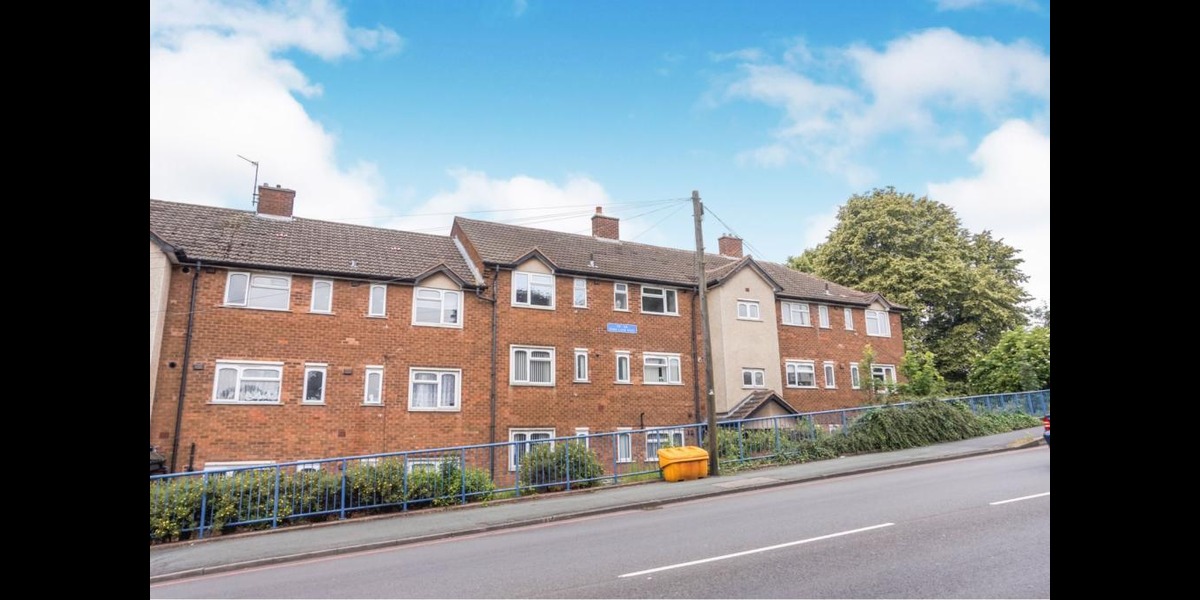
A total of 35 properties have been fitted with solar panels, helping residents reduce their reliance on electricity from the grid and potentially lower their energy bills.
For households dealing with rising living costs, improvements that help reduce regular expenses can make a meaningful difference.
The investment also forms part of wider efforts to tackle fuel poverty and make homes more environmentally friendly.
Alongside the solar panels, the project includes plans to plant more trees and improve green spaces across the neighbourhood.
These changes are intended to make the area more attractive while encouraging residents to take greater pride in their surroundings.
A new allotment bringing neighbours together
Another important part of the project is a newly established community allotment.
The space gives residents the opportunity to grow their own fruit and vegetables while learning more about gardening and sustainable food production.
Community growing spaces can offer benefits beyond the food itself. They provide places where neighbours can meet, share knowledge and spend time outdoors.
For people who may otherwise spend much of their time at home, an allotment can also provide a reason to get involved in local activities and develop new friendships.
During his visit, Richard Parker joined Jaswinder Kaur at the allotment to plant a pear tree.
The community garden is one example of how the project is encouraging residents to become more involved in improving their local environment.
It also provides an opportunity for different generations to spend time together and share practical skills.
Building confidence and improving health
The investment is not limited to housing and environmental improvements.
A major part of the scheme involves helping residents improve their physical and mental wellbeing through social groups, activities and opportunities to learn new skills.
Residents have been able to take part in gardening, netball, community activities and other sessions designed to encourage people to become more active.
The programme also offers opportunities to improve English language skills and digital confidence.
These skills can make it easier for people to access public services, communicate with organisations and explore employment opportunities.
For residents who have spent years caring for family members or have felt isolated, having somewhere to go and people to meet can be particularly valuable.
The scheme has already helped some residents become more involved in their community and take steps towards employment.
Residents share their experiences
During the Mayor’s visit, residents spoke about the difference the project had made to their everyday lives.
Parmjit Kaur explained that she had spent many years caring for family members and had previously felt that she had lost some of her confidence.
Since becoming involved in the activities, she has taken up gardening and netball, improved her English and started looking for work.
She described feeling more confident and enjoying having opportunities to focus on herself as well as her family responsibilities.
Another resident, Robina Kauser, also spoke about the positive changes she had experienced.
Having lived in Tipton since moving to the UK from Pakistan almost 20 years ago, she explained that becoming more involved in local activities had helped improve her health, English skills and confidence.
She now takes part in netball, visits the park and helps with community litter-picking activities.
She has also found employment as a passenger transport assistant, accompanying local children with special educational needs and disabilities on their journeys to and from school.
Her experience highlights how community projects can provide opportunities that extend beyond the activities themselves.
By helping people develop confidence and practical skills, initiatives like this can support residents in taking further steps towards independence and employment.
Working together to strengthen the community
The Park Lane Estate project is being delivered through cooperation between the WMCA, Sandwell Council and the Bangladeshi Women’s Association.
The association has played a central role in organising activities and encouraging residents to get involved.
The approach recognises that successful neighbourhood improvements require more than funding for buildings and infrastructure.
Local organisations often have a better understanding of the challenges residents face and the types of activities that will encourage people to participate.
By working with an established community organisation, the project can offer support that reflects the needs of the people living in the area.
The initiative is also part of the wider Local Net Zero Accelerator programme, funded by the Department for Energy Security and Net Zero and delivered with the WMCA’s seven constituent local authorities.
Other neighbourhoods involved in the pilot include Castle Vale in Birmingham, Graiseley in Wolverhampton, Chelmsley Wood in Solihull, Dudley Fields in Walsall, Hillfields in Coventry and Brockmoor in Dudley.
The wider programme is exploring how investment in homes, transport, green spaces and community activities can help improve quality of life.
Looking towards the future
There are further ambitions for Park Lane Estate as the project continues.
Plans include making walking and cycling routes safer and improving connections to nearby green spaces, the canal and Dudley Port railway station.
The area is also expected to benefit from the Midland Metro extension, which will bring tram services into Tipton for the first time.
These improvements could help make it easier for residents to access transport links and other parts of the region.
The longer-term ambition is to create a neighbourhood where people can enjoy healthier lifestyles, lower household costs and stronger connections with the community around them.
For residents who have already benefited from the project, the changes are about more than new facilities or environmental improvements.
They are about having opportunities to meet people, learn new skills, become more confident and feel part of something.
The Park Lane Estate initiative shows how investment can make a difference at neighbourhood level when residents are given the opportunity to help shape their community.
As the wider pilot continues, the experiences of people in Tipton could help inform similar projects elsewhere in the West Midlands.
For now, the combination of greener homes, a growing community allotment and new opportunities for residents is providing a positive example of local organisations working together to create lasting change.