
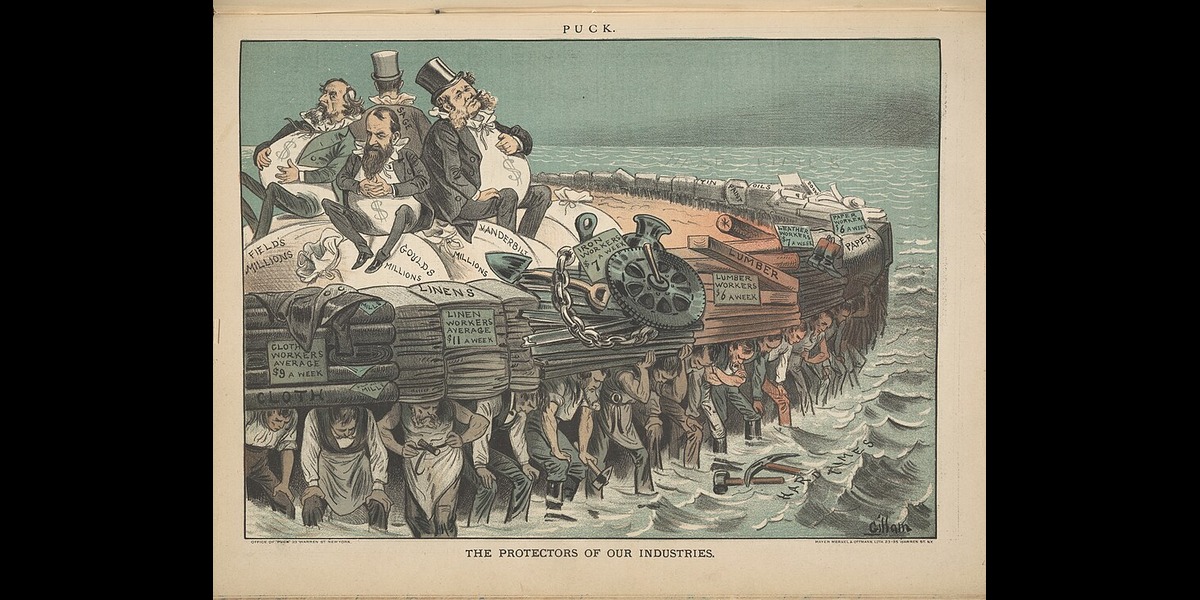
Many people grow up hearing that working hard is the route to success. Others point out that some people start the race much closer to the finish line. Researchers have studied both ideas, and neither one tells the whole story.
What the evidence says about hard work
Effort and personality do show up in the data. In a representative sample of American adults, people one standard deviation above average in conscientiousness, a trait linked to diligence and self-discipline, earned about $96,000 more over their lifetimes. Another study found that personality measures account for nearly as much variation in lifetime earnings as cognitive measures do. Research on a large UK sample reached a similar conclusion, with conscientiousness found to be significantly beneficial.
There is a caveat. A 2024 review of 19 studies found that a one standard deviation increase in conscientiousness is associated with about a 1.16% rise in earnings. The same analysis found that studies that leave out family background are likely to overestimate the earnings effect of traits such as conscientiousness. In other words, effort matters, but it is easy to give it more credit than it deserves.
What the evidence says about privilege
The best UK evidence on privilege comes from who ends up in top jobs. The Sutton Trust’s Elitist Britain 2025 report found that 36% of people in Britain’s top jobs went to a private school. That compares with about 7% of the general population. Among FTSE 100 chief executives educated in the UK, about 37% attended a private school and 34% a state comprehensive.
Privilege also seems to affect pay after people get in. A study for the Social Mobility Commission, by researchers at LSE and UCL, found that people from working-class backgrounds in professional jobs earn an average of £6,800, or 17%, less each year than colleagues from more affluent backgrounds. Part of that gap has ordinary explanations. People whose parents had professional jobs tend to be better educated, and are more likely to join bigger firms or work in London. But a 7% gap remained even when people were the same “in every way we can measure”. A later Social Mobility Foundation analysis of professional workers found an average gap of £6,291, or 12%.
The Social Mobility Commission has also said that people from better-off backgrounds are nearly 80% more likely to end up in professional jobs than those from working-class backgrounds. Note that these figures are several years old, so they may have shifted since.
The case that privilege isn’t everything
The research doesn’t say people from ordinary backgrounds can’t succeed. The LSE sociologist who worked on the pay gap research said that social mobility is the norm, not the exception, in contemporary Britain, although strong barriers to opportunity persist. The picture is also changing in some places. As of September 2025, only 7% of the Cabinet had attended private school, matching the national average, compared with 39% in 2019. Nearly two-thirds of MPs, 62%, attended comprehensive schools.
Private schools also push back on the idea that they only help the wealthy. The Independent Schools Council has said that school type is not in itself an indicator of advantage, and that many private schools offer reduced fees or bursaries for low-income families.
Why the question may be too simple
A US survey on how people think about luck found that most people say access to education, the family someone is born into and their network are important in determining lifetime earnings. The researchers noted that many of the factors people name are bound up with effort, such as family, education and health. That points to the main problem with the “hard work or privilege” framing. Privilege can help someone work hard, for example through better schooling, safety nets and connections. Hard work can then multiply that advantage.
So which matters more?
The evidence doesn’t back either extreme. Effort and persistence are linked to better outcomes, but family background still shapes who gets into the best jobs and how much they’re paid once they’re there. Researchers also disagree about how large each effect is, and the answer depends on the country and the career. A fair reading is that hard work improves a person’s chances, while privilege changes where they start from and how far the same effort takes them.