Leaders back down in Malaysia
Thailand and Cambodia have agreed to halt deadly fighting along their shared border following high-stakes peace talks in Kuala Lumpur – talks that only came about after a stark warning from Donald Trump to pull the plug on trade.
The five-day conflict, the worst in over a decade, has killed more than 30 people and forced at least 300,000 to flee. It erupted around the disputed Ta Muen temple before spreading rapidly across the tense frontier.
Trump’s tariff ultimatum
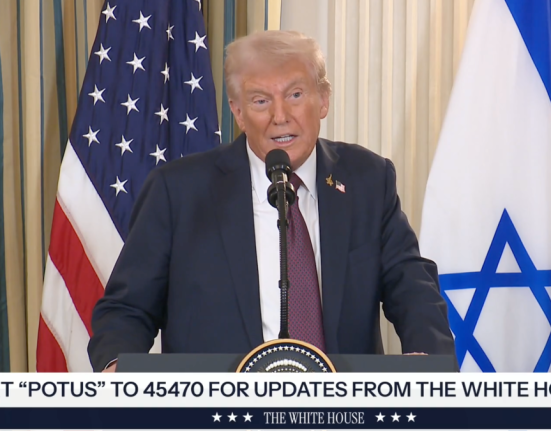
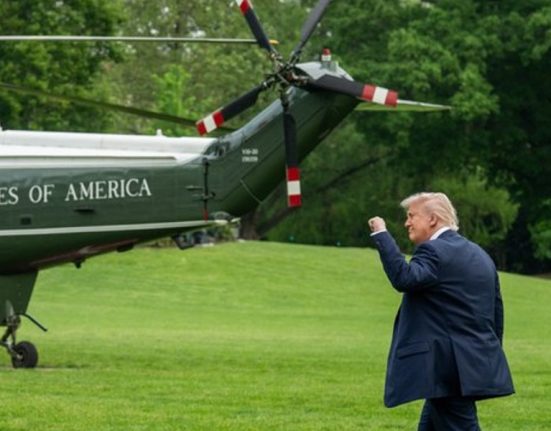
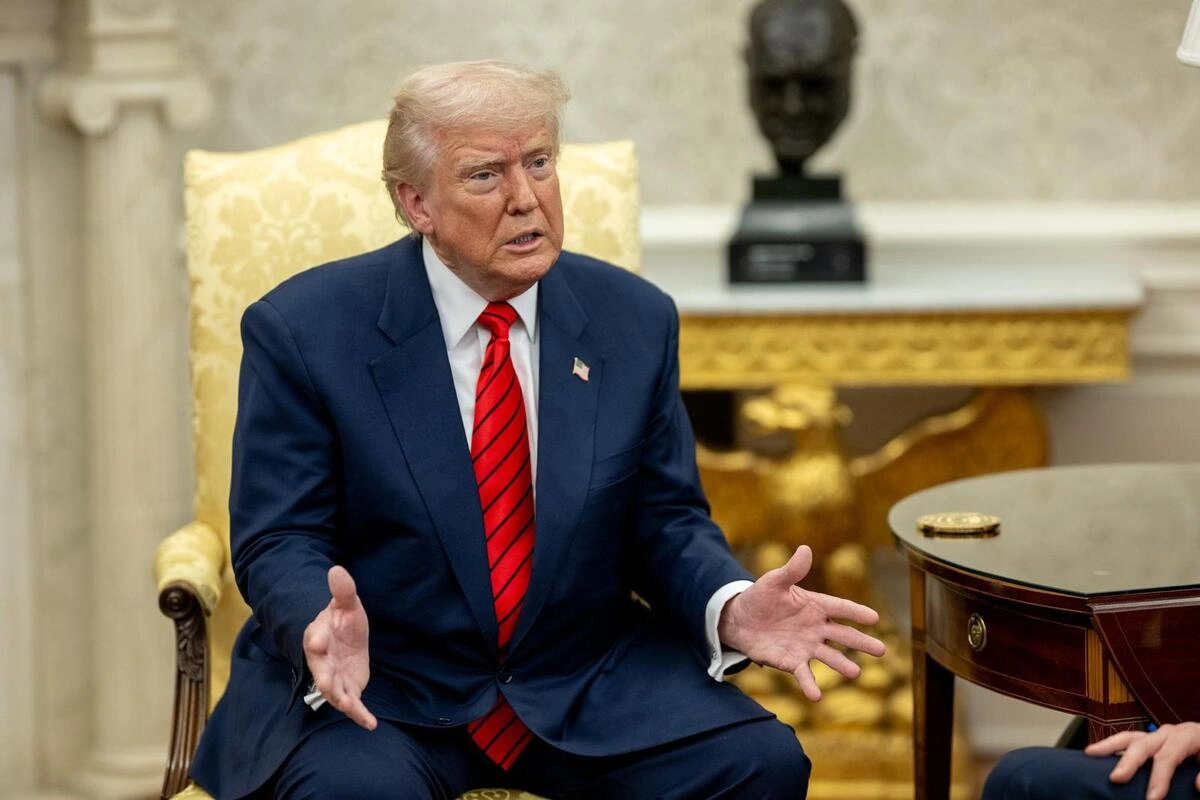
The breakthrough came after former US President Donald Trump threatened both nations with a punishing 36% tariff on exports to the US unless they struck a ceasefire. In a blunt social media post, Trump said resuming trade talks would be “inappropriate” until the fighting stopped, but welcomed the late agreement, saying the two sides had pledged to “quickly work out a Ceasefire and, ultimately, PEACE!”
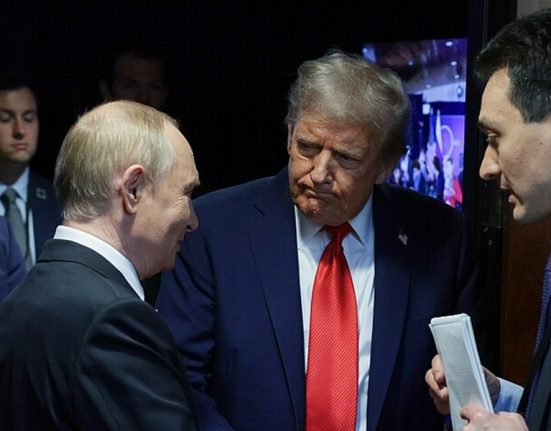
Behind the scenes, it’s understood Trump had direct phone calls with Cambodian PM Hun Manet and Thailand’s acting PM Phumtham Wechayachai, urging them to stand down. Both men then agreed to attend emergency talks hosted by Malaysian PM Anwar Ibrahim, chair of the Association of Southeast Asian Nations (ASEAN).
Midnight ceasefire agreed
The ceasefire was announced just hours after the leaders met on Monday in Kuala Lumpur, with Malaysia confirming that the truce would come into effect at midnight.
Hun Manet called the deal “unconditional” and confirmed Cambodia’s commitment to halting hostilities, though he voiced concerns about Thailand’s intentions, saying he hoped “the Thai side will not reverse position.”
Thailand, meanwhile, reaffirmed its hard stance on territorial integrity, insisting “there would be no negotiation on maps” and accusing Cambodia of targeting civilians and hospitals – claims Phnom Penh has dismissed as “baseless.”
Civilians flee border chaos
Fighting on the ground remained intense up to the last moment, with both sides accusing the other of overnight shelling. In Thailand’s Surin province and Cambodia’s Svay Leu district, families loaded possessions onto tractors and fled for safety, seeking refuge in temples, muddy fields, and makeshift camps.
US muscles in again
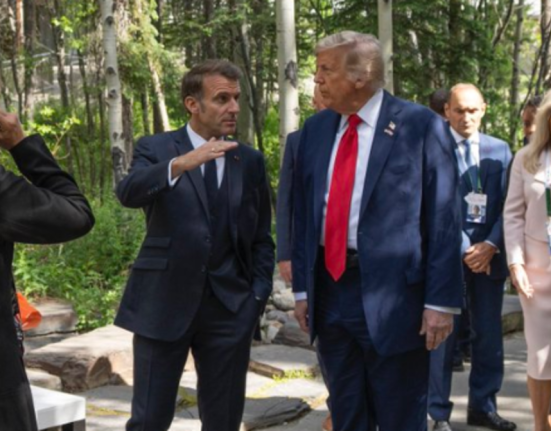
The Trump administration’s intervention mirrors its previous role earlier this year in ending fighting between India and Pakistan. Though controversial, Trump’s tactics appear to have again pushed adversaries to the table.
ASEAN chair Anwar Ibrahim praised the outcome, saying both leaders had shown “a willingness for immediate ceasefire and return to normalcy.” He added that China had also kept close contact throughout the crisis, reinforcing a rare moment of regional unity.
The world will now watch to see if the midnight truce holds – or whether the fragile peace crumbles once the cameras are gone.