At the COP31 climate summit in Antalya, Turkey, Prime Minister Andy Burnham called climate change a national security issue, reaffirmed the UK’s 2050 net zero target, and named the UK’s first Special Representative for Climate Security. Critics say the speech does not match his government’s record. Green Party leader Zack Polanski said Burnham had said “all the right things” abroad while locking Britain into new oil and gas at home, and Friends of the Earth chief executive Asad Rehman said questions about Burnham’s climate credibility were more than justified. Behind that exchange sit real decisions about household energy costs, the cars Britons will be able to buy, and how much weight Britain’s voice carries in a negotiation the world’s second-largest polluter has again chosen to skip.
What Burnham said
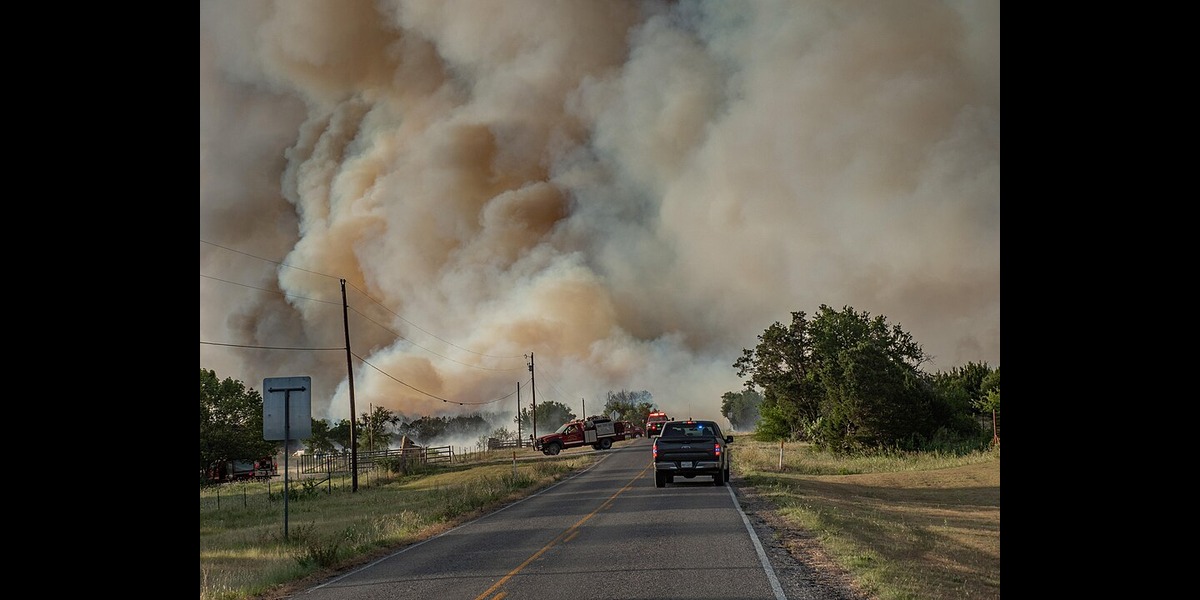
Burnham spoke on Thursday 12 November in his first appearance at a COP as Prime Minister. According to Brit Brief’s report, he told delegates the climate crisis is “upon us all now” after a summer of extreme heat, wildfires and drought. He said two wars on two continents had pushed up fuel prices and gas bills worldwide, and that the common thread was dependence on fossil fuels. He recommitted the UK to net zero by 2050 and appointed Dame Madeleine Alessandri, a former chair of the Joint Intelligence Committee, to the new climate security role. He also endorsed Turkey’s pledge to raise electricity’s share of global energy demand from 21% to 35% by 2035, and said the government would publish a clean electrification road map.
The setting mattered. Brit Brief reported that he was expected to be the only G7 leader addressing the summit, that he spoke to a half-empty plenary hall, and that Donald Trump had again declined to send a delegation. One caveat on sourcing: I found no official transcript of the speech, so these details rest on press reporting.
The record critics point to
North Sea gas and oil. On 21 October, Energy Secretary Miatta Fahnbulleh announced that the government would permit production at the Jackdaw gas field, according to the Institute for Government. Gas began flowing on Monday 16 November. A decision on the larger Rosebank oil field, owned by Adura, a Shell–Equinor joint venture, is still awaited. Adura puts the project at about $11.5bn and says it would support jobs, investment and energy security. Some Labour MPs oppose it. Foreign Secretary Ed Miliband, who once called Rosebank “climate vandalism”, has said he will not resign if it is approved. So Polanski’s claim is partly borne out: one new gas field is approved and produced, while the oil field remains undecided.
Electric vehicles. The zero emission vehicle mandate currently requires 80% of new car sales to be zero-emission by 2030. The government’s review set out options of keeping that figure or cutting it to 70%, 60% or 50%. The Guardian, as relayed by Reuters, reported that ministers are expected to settle on about 60%. A government spokesperson said no decisions had been taken, and a final decision is not confirmed in any source I found. Transport Secretary Louise Haigh is overseeing the decision after Burnham stepped back, because his wife advises the board of an EV charging company. Industry body SMMT says battery-electric cars made up 26.6% of new registrations in the first ten months of 2026, against a 33% target for the year. Carmakers say the mandate is too steep. Some Labour MPs say cutting it would damage Britain’s credibility as a climate leader, while others from industrial areas back a cut to protect jobs. Government analysis cited by the trade press expected the mandate to deliver 14% of the CO2 reductions needed between 2028 and 2032, so a weaker target leaves a gap to fill. A spokesperson said the 2030 end to petrol-and-diesel-only sales and the 2035 all-zero-emission goal would stay.
Warm homes. Carbon Brief and other outlets report that the October Budget removed £1bn from the Warm Homes Plan’s capital grants to help pay for defence. Heat pump grant funding falls from £600m to £400m in 2027–28. The government says it remains committed to heat pumps and opened a Warm Homes Loan Scheme on 27 October. The Budget also created a £2bn Energy Wealth Fund and £100m for social housing solar. So Polanski’s point about cutting funds for warmer homes is supported, though the government stresses its loan scheme and solar backing.
What it could mean for households
The link between climate policy and household bills is already visible in the data. UK inflation hit 3.6% in October, driven largely by energy, and the Bank of England expects it to approach 5% in spring 2027 because of war-driven energy costs. Diesel hit a record average price in October, per the ONS. Burnham’s argument is that electrification shields families from these shocks. Supporters of Jackdaw argue that domestic gas supports energy security. Neither claim has been tested yet: no source I found shows how much Jackdaw will lower bills, and the electrification road map has not been published. What can be said is that the household choices at stake are concrete. They include how much help there will be for insulation and heat pumps, and how soon switching to an electric car will make financial sense for ordinary buyers.
What it could mean for the world
COP31 runs from 9 to 20 November, so its outcome is not yet known. The AP reports that scientists expect global warming to exceed 1.5C, that the US is absent for a second year, and that both Turkey, the host, and Australia, which leads the negotiations, have been criticised for relying on coal. A King’s College London analysis says developing countries need roughly $305bn a year for adaptation by 2035, while public adaptation finance runs at about 28bn–32bn a year. It also notes that leaders from Germany, France and Italy were absent. In that setting, a rare G7 leader’s presence carries weight, but critics say consistency at home is what gives it force. Labour MP Chris Hinchliff, who chairs a Labour climate group, made that argument about the EV target, saying a cut would undermine Britain’s credibility as a climate leader.