Backing British business
UK Export Finance (UKEF) delivered a record £14.5 billion in support to British exporters in 2024/25, unlocking contracts worldwide, strengthening industrial sectors and safeguarding an estimated 70,000 jobs – including thousands in the West Midlands.
The export credit agency’s latest figures, published in its annual report, mark the highest level of business in UKEF’s 106-year history. Its financing is credited with generating up to £5.4 billion in GDP and helping 667 companies across the UK grow their global footprint.
UKEF’s work forms part of the government’s “Plan for Change,” with a clear emphasis on delivering growth, raising productivity, and supporting the UK’s Industrial and Trade Strategies.
West Midlands impact
The West Midlands – home to major automotive, advanced manufacturing, and clean energy hubs – stands to benefit significantly from this growth. UKEF support is directly aligned with regional economic strengths such as electric vehicle production, life sciences, and precision engineering.
In particular, funding helped bolster projects such as the expansion of gigafactory infrastructure, which feeds into supply chains anchored in the Midlands. This includes the AESC gigafactory in Teesside, which is producing batteries that could power 100,000 EVs annually – a technology heavily tied to Midlands manufacturers.
While the report does not break down region-specific allocations, a major share of the 70,000 jobs supported are in strategic sectors that dominate the West Midlands’ economy. Local small and medium-sized enterprises (SMEs) are also increasingly benefiting from UKEF’s SME-focused products like the General Export Facility.

Focus on small businesses
Of the 667 businesses supported in 2024/25, 496 were SMEs – and 83% of them were based outside London. That includes firms in the West Midlands aiming to expand overseas but constrained by lack of commercial finance.
UKEF’s products, like the Export Development Guarantee and General Export Facility, have proven essential in unlocking that potential. These tools offer loan guarantees and working capital support, helping firms secure overseas contracts and scale their operations.
Clean energy and future industries
UKEF also committed £2.3 billion to strategic clean growth financing. This included investments in sustainable manufacturing and recycling industries – like Shotton Mill in North Wales – which indirectly support net-zero supply chains across the Midlands.
The region’s potential as a clean energy and battery technology cluster means it is well placed to absorb the benefits of UKEF’s increased lending power and the government’s drive to reindustrialise around net-zero goals.
New leadership, renewed momentum
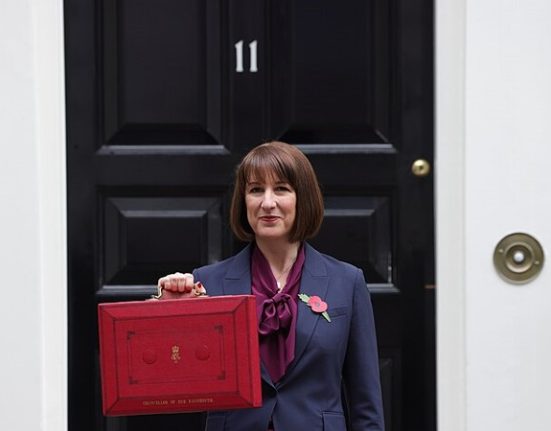
The announcement came days after Chancellor Rachel Reeves confirmed increased lending capacity for UKEF, alongside more flexibility to prioritise high-impact sectors such as defence and clean tech.
“Our number one mission is delivering growth,” said Reeves. “That’s why we increased UKEF’s lending capacity and continue to back firms that are creating jobs and prosperity across the country.”
UKEF CEO Tim Reid added: “I’m proud of our record-breaking year. We’ve achieved real impact by supporting hundreds of exporters and tens of thousands of jobs. Our mission continues – to help more UK firms succeed globally.”
Looking ahead
The Midlands remains central to UKEF’s future strategy, with plans to expand trade finance to more firms, especially in regional clusters. Local leaders and trade organisations are now calling for businesses across the region to tap into these schemes.
Marco Forgione, Director General at the Chartered Institute of Export & International Trade, summed it up: “Finance is often the missing piece in the jigsaw. Access to the right tools at the right time can turn local ambition into international growth.”
As the West Midlands economy pivots toward advanced technologies and green manufacturing, export finance could be the catalyst that turns potential into long-term prosperity.