Overnight shift in sentiment
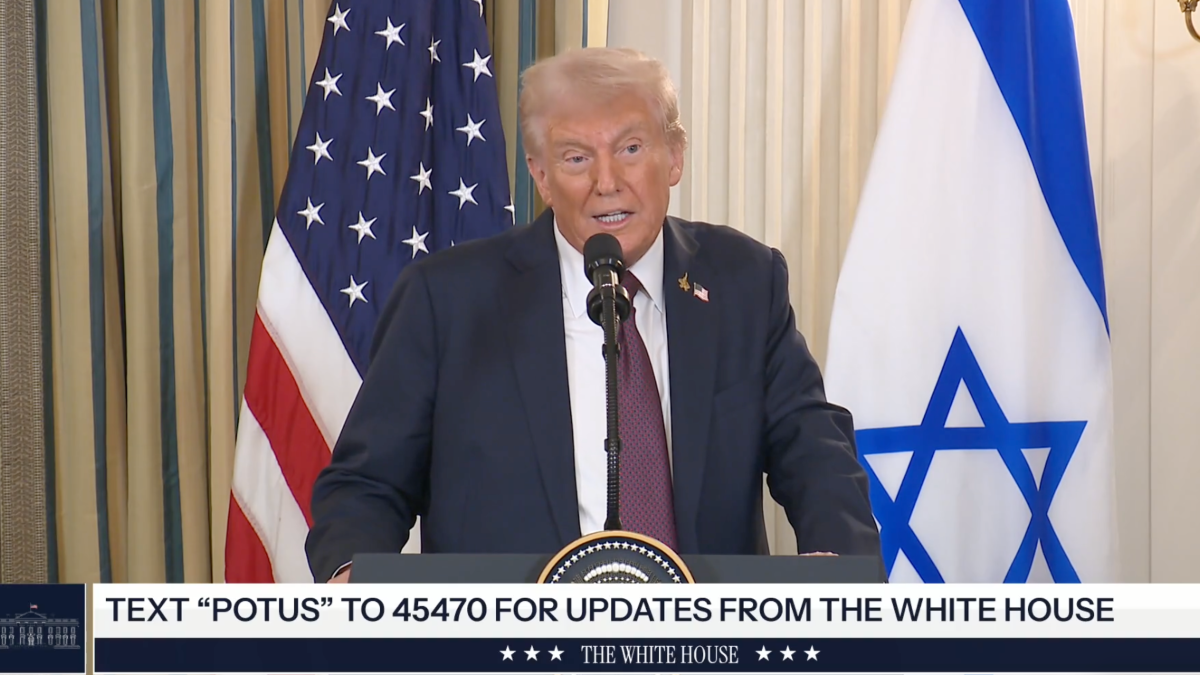
Last night I wrote about Donald Trump’s 20-point peace plan for Gaza. By the time I hit publish, Arab foreign ministers had thrown their weight behind it. That alignment, rare and fragile, looked like the first real crack in decades of deadlock.
Fast-forward a few hours, and I woke up to a chorus of rejection. The loudest voices are not the diplomats shaping the future but the activists on the sidelines – pro-Palestine extremists who insist the plan must be rejected outright. Their reasoning? That anything less than total confrontation betrays the cause.
Contradiction at the heart
Here’s the contradiction. These same groups scream genocide, claiming Gaza faces an existential threat. Yet when offered a plan that ends the war, secures hostages, guarantees aid and charts a pathway to statehood, they push for more fighting. They rail against destruction on one hand, then demand its continuation on the other.
This is not a strategy. It is nihilism dressed as solidarity. Hamas, as I’ve said countless times, has shown itself indifferent to the suffering of ordinary Gazans. But now I am forced to wonder whether the outrage machine of pro-Palestinian campaigning abroad – detached, emotional and often reckless – cares much for them either.
Reality versus fantasy
Ending a war requires compromise. It requires trading absolutes for realities, and that is exactly what the Trump framework attempts to deliver. Does it solve everything? No. Is it a silver bullet? Of course not. But it is a start.
Campaigners who demand purity over pragmatism, who shout for endless struggle while families in Gaza bury their dead, reveal their true hand: the theatre of protest matters more than the lives they claim to defend.
History may yet prove this plan flawed. But to dismiss it outright, to cling to absolutism while Gaza starves, is moral bankruptcy masquerading as resistance.