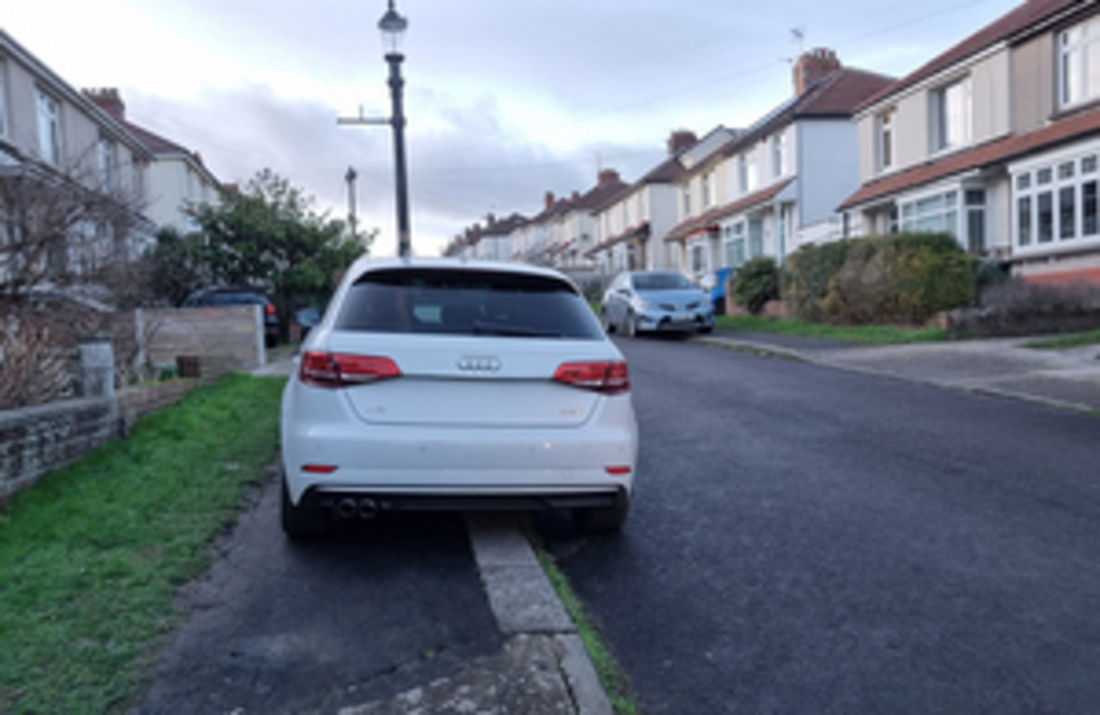
Drivers leaving their vehicles blocking pavements are a menace for wheelchair users and parents pushing buggies
Disabled people and their families, including across the West Midlands, are set to benefit from new powers allowing councils in England to introduce wider restrictions on pavement parking.
Under changes being brought in by the Department for Transport, local leaders will be able to bring in area-wide controls rather than tackling the problem street by street through often lengthy legal processes.
The move aims to keep pavements clear and accessible while allowing exemptions where parking on the pavement is considered necessary.
Blocked pavements can present serious obstacles for wheelchair users, blind and partially sighted people, parents with pushchairs and older residents.
In many cases, pavement-parked vehicles force people into the road, making everyday journeys more difficult and less safe.
‘No pavement user should be forced into the road’
Local Transport Minister Lilian Greenwood said: “We’re giving local authorities the power to crack down on problem pavement parking.
“This will help more people travel safely and get to where they need to go.”
The new approach follows a public consultation and is designed to give councils flexibility to respond to local conditions. Local authorities will decide where restrictions are needed and where pavement parking can continue without causing harm.
Charities and motoring groups have welcomed the announcement. Guide Dogs chief executive Andrew Lennox said cars blocking pavements were “especially dangerous for people with sight loss”, adding that the new powers could help restore confidence and freedom to travel.
RAC senior policy officer Rod Dennis said: “No pavement user should be forced into the road.”
Guidance on how councils should apply the powers proportionately is due to be published in 2026, as part of wider government plans to create safer and more inclusive streets, Government said.