West Midlands pensioners brace for shift
The government’s flagship state pension policy – the triple lock – is under renewed scrutiny following a stark warning from the UK’s fiscal watchdog that Britain’s current spending trajectory is “unsustainable”.
According to the Office for Budget Responsibility (OBR), the triple lock mechanism, which guarantees the state pension will rise by the highest of inflation, wage growth or 2.5%, will cost the UK £15.5 billion a year by 2030. That figure is three times higher than earlier projections and is contributing to long-term concerns about spiralling public debt.
Fiscal alarm bells
In its Fiscal Risks and Sustainability report, the OBR said the UK’s debt could soar from 94% of GDP to an eye-watering 270% by the early 2070s if policies are not reined in. Britain is already grappling with the sixth-highest government debt, the fifth-highest deficit and the third-highest borrowing costs among advanced economies.
“The UK cannot afford all the spending promises made,” the report said, citing the triple lock as a major pressure point alongside rising healthcare costs tied to an ageing population.
Regional implications
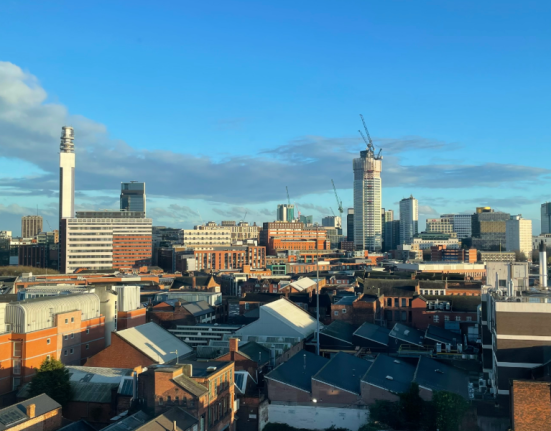
With nearly 1.1 million people over 65 living in the West Midlands, according to the latest ONS estimates, the region is poised to feel the full weight of any future reform. In local authorities such as Dudley, Walsall, and Wolverhampton, pensioners represent more than 20% of the population.
The triple lock has provided some stability to older residents in an era of economic volatility. For many in the West Midlands, where pockets of deprivation intersect with a rapidly ageing population, the state pension is the bedrock of financial security.
If the government were to scale back the triple lock – perhaps by switching to a ‘double lock’ or linking pension increases only to inflation – local pensioners could see a meaningful drop in future income growth. That, in turn, would put more pressure on regional support services and potentially dampen local consumer spending.
Political headache
The OBR’s report now places both major political parties in a difficult position. Neither Labour nor the Conservatives have laid out detailed plans to reform the triple lock, despite mounting evidence of its fiscal strain.
Any perceived threat to pensioner incomes is politically risky, especially in areas like the West Midlands, where older voters have historically turned out in large numbers. However, economists say reform is inevitable.
What next?
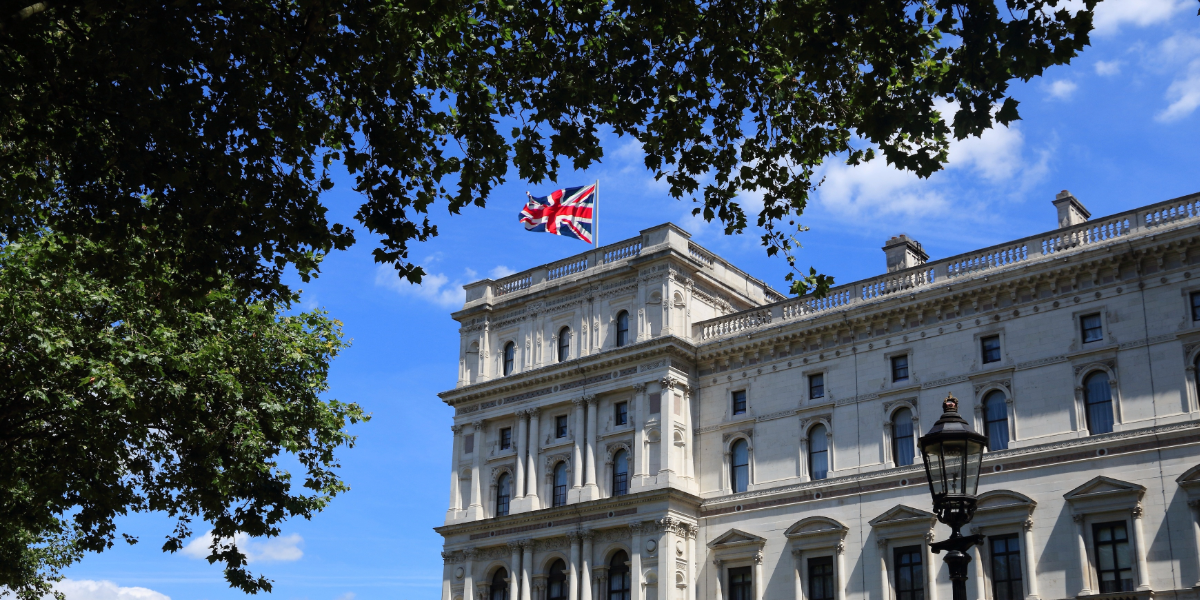
Treasury officials have so far maintained that there are “no current plans” to scrap the triple lock. But behind closed doors, conversations about pension reform are reportedly intensifying, particularly in light of the growing demands on the NHS and social care systems.
In the West Midlands, where the cost of living crisis continues to bite and NHS backlogs remain acute, the implications of broader fiscal tightening could be profound.
Local charities and advocacy groups are calling on ministers to ensure any changes come with safeguards for the most vulnerable. “Older people in the West Midlands are already cutting back on essentials,” said a spokesperson for a charity working with the elderly told us. “Reforms must not come at the cost of dignity in later life.”
As the government confronts hard choices about its fiscal future, pensioners across the region will be watching closely. The triple lock may not survive much longer and the political fallout could be just as significant as the economic one.