
Russia’s position in the grinding war in Ukraine is entering a more precarious phase as Washington and Kyiv finalise a new, slimmed-down 19-point peace framework, shifting key decisions to the political level while Moscow struggles with battlefield losses, falling oil revenues, and the need to liquidate gold reserves to prop up its finances.
The emerging diplomatic landscape, shaped by an anticipated peace initiative championed by Donald Trump, carries major implications for Ukraine’s future security, NATO cohesion, and Europe’s geopolitical balance.
Ukraine and US narrow terms, deferring hardest calls
The talks between US and Ukrainian delegations in Geneva marked the most substantive movement in peace efforts in months. According to Sergiy Kyslytsya, Ukraine’s first deputy foreign minister, negotiators achieved consensus on several parts of the plan but bracketed the most politically sensitive issues for Trump and Volodymyr Zelenskyy to address directly. These include territorial questions and the future relationship between NATO, Russia, and the US.
The new draft sharply departs from the earlier leaked 28-point proposal that triggered uproar in Kyiv for appearing to push Ukraine to concede territory and accept limits on its armed forces. The revised version, shaped through a tense but ultimately “productive” day of negotiations, removed proposals such as a 600,000-troop cap on Ukraine’s army and a blanket war-crimes amnesty.
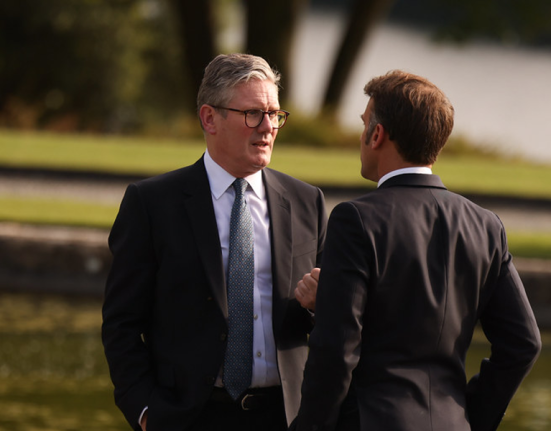
Negotiators also coordinated with European allies from the UK, Germany, France, Italy, and EU institutions, signifying a trans-Atlantic effort to maintain unity despite the fraught diplomatic terrain.
Mounting pressure on Russia as war costs grow
While Ukraine and its partners edge toward a workable framework, Russia faces intensifying domestic pressure. Western intelligence estimates suggest Russia has sustained hundreds of thousands of casualties since the 2022 invasion, a figure the Kremlin has never acknowledged publicly but which is reflected in regional labour shortages, rising funerary payments, and increasingly aggressive recruitment campaigns.
The economic toll is equally stark. Reports from international financial monitors indicate Russia has been forced to sell significant portions of its gold reserves – one of its most valuable buffers against sanctions – to stabilise the rouble and fill wartime budget gaps. Gold sales have become a recurring tool to offset dwindling revenues, but the reliance hints at deeper structural weakness: war spending continues to balloon while export income narrows.
Oil revenue falls as Trump peace push affects markets
Russia’s economic vulnerability has been compounded by a sharp decline in global oil prices. Markets have reacted to the prospect of a Trump-brokered peace push, pricing in the possibility of reduced geopolitical risk and a gradual normalisation of energy flows.
For Moscow, lower oil prices significantly reduce the funds available to sustain military operations, subsidise occupied regions, and maintain domestic support. Energy income has long been the backbone of the Kremlin’s war financing; a prolonged downturn would erode its ability to project power and limit its room for manoeuvre in any negotiations.
What a Trump-driven deal might mean for Ukraine
The Geneva framework leaves Ukraine in a delicate position. On one hand, it preserved Kyiv’s red lines – no forced territorial concessions and no externally imposed limits on the Ukrainian military. On the other, Trump’s stated desire for a rapid settlement raises concerns in Kyiv that Washington may eventually pressure Ukraine to accept terms it has so far resisted.
Still, Ukrainian officials emphasised that the talks restored trust with the US after weeks of leaks and speculation. Kyslytsya highlighted that “almost everything” Ukraine proposed was taken on board, creating what he described as a “solid body of convergence.”
Implications for NATO and Europe
A peace agreement, even an interim one, would reshape Europe’s security landscape. If Russia accepts a negotiated settlement without major concessions from Kyiv, it could be seen as a strategic defeat for Moscow and a reinforcement of NATO’s stance. Conversely, a deal that freezes the conflict on Russia’s terms could embolden other authoritarian states and undermine European unity.
The presence of UK representatives in the Geneva consultations underscores Britain’s continued strategic focus on supporting Ukraine and maintaining NATO’s integrity. European capitals will be watching closely for signs that Washington’s renewed bilateral approach could sideline their interests.
A fragile moment in global geopolitics
The Geneva meeting marks a pivotal moment: the first credible pathway toward a structured peace plan in months. Yet uncertainty looms. Everything now hinges on the political leadership of Trump, Zelenskyy, and ultimately Vladimir Putin. Much will depend on whether Russia, weakened economically and militarily, views negotiation as an opportunity or a threat.
For Ukraine and its Western backers, the challenge will be securing a durable peace without undermining the principles at the heart of Europe’s security order – a balance that remains as complex as ever.