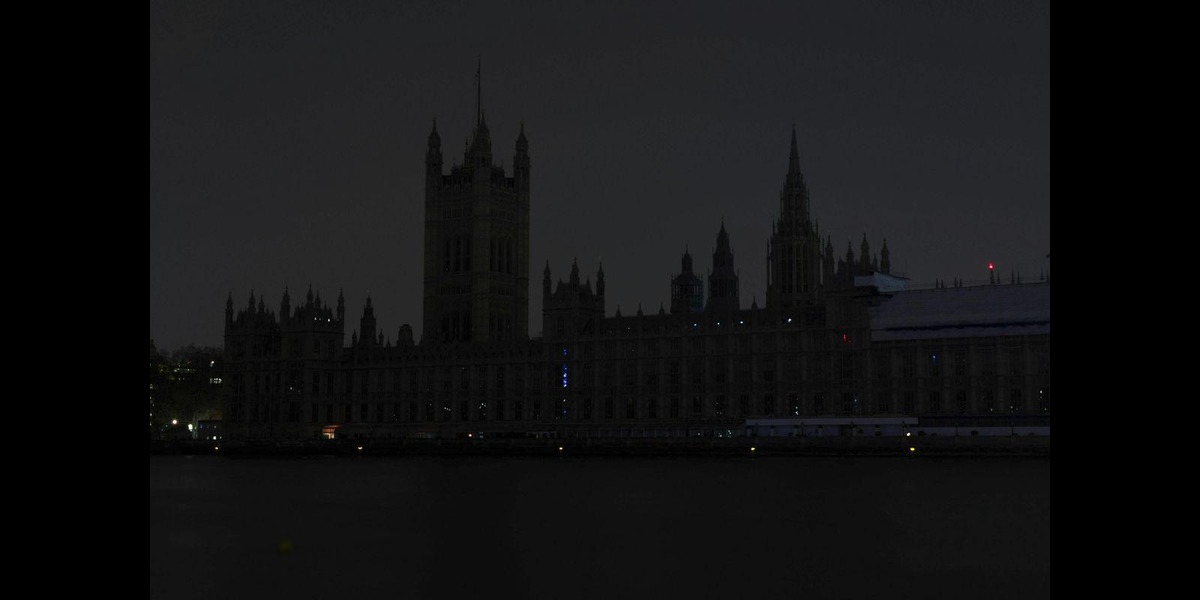
Although a nationwide power outage is considered highly unlikely, the consequences of a prolonged disruption could be significant.
Britain relies heavily on electricity to maintain everyday life. From heating homes and operating hospitals to running transport systems and communication networks, electricity supports almost every aspect of modern society.
One of the first noticeable consequences would be the disruption to communication. Mobile phone masts and broadband services may stop working if their power supplies or backup systems are affected. This could make it difficult for people to contact family members, receive updates or access information.
Transport could also experience disruption. Railway services depend on electricity in many parts of the country, while traffic signals and other transport infrastructure may be affected by power failures. Businesses relying on electronic payment systems could also experience difficulties.
Water supplies are another important consideration. The Government’s power-cut guidance explains that mains water supplies can be disrupted during and after electricity outages, depending on the circumstances.
Healthcare would also require particular attention. Hospitals have backup arrangements for maintaining critical services, but prolonged disruption could place additional pressure on healthcare providers. People who rely on electrically powered medical equipment may also need additional support.
These possibilities explain why emergency planning is important. However, it is equally important not to assume that every service would fail simultaneously or that a power cut would automatically lead to a complete breakdown of society.
How realistic is the possibility of a nationwide blackout?
According to the Government’s 2026 National Risk Register, most power cuts are relatively short-lived and affect local areas. Longer outages lasting several days are possible and could have regional or national consequences, although a total failure of the electricity system is considered highly unlikely.
Britain’s electricity network is designed to maintain a reliable supply, with systems in place to manage changes in electricity demand and supply.
Nevertheless, no electricity network is completely immune to disruption. Severe weather, technical faults and other infrastructure problems can all create challenges.
The National Risk Register recognises the potential consequences of a widespread electricity failure, including disruption to water, sewage, fuel distribution and communications. This does not mean such an event is expected to happen; rather, it demonstrates that the Government considers its potential impact when planning for emergencies.
There is a significant difference between acknowledging that something is possible and suggesting that it is imminent. Unfortunately, social media discussions do not always make that distinction clear.
What is the Government actually advising households to do?
The Be Ready campaign recommends a number of straightforward measures that could help households manage during an emergency.
These include:
- Keeping approximately three days’ worth of drinking water, with guidance suggesting three litres per person per day for drinking.
- Having non-perishable food available that does not require cooking.
- Keeping a torch and spare batteries at home.
- Having a battery-powered or wind-up radio to receive important updates.
- Keeping a charged power bank available.
- Having access to essential medication and important contact information.
- Considering how to support family members or neighbours who might need additional assistance.
The Government also encourages eligible households to join the Priority Services Register. This allows utility companies to identify customers who may need additional assistance during service interruptions.
Importantly, the campaign does not tell people to panic-buy or stockpile large quantities of supplies. Its advice is designed to be followed gradually, using items households may already have.
The British Red Cross has also supported the importance of preparing for 72 hours, explaining that basic planning can help communities manage temporary disruption more confidently.
The impact of misinformation and public anxiety
Perhaps one of the most interesting aspects of the supposed blackout is how quickly the rumours have attracted attention.
When governments issue emergency guidance, it is understandable that members of the public want to know why. However, when official announcements are shared without their original context, they can easily be misunderstood.
Social media platforms allow information to spread rapidly, but popularity does not necessarily indicate accuracy. A post receiving thousands of views is not automatically reliable, and an image that appears to show an official announcement may not be genuine.
This creates a wider problem. When people become frightened by unverified claims, unnecessary panic can develop, making it harder for accurate information to reach the public.
It also raises questions about communication and trust. Governments need to explain potential risks clearly, while individuals need to consider the reliability of information before sharing it.
In situations involving public safety, checking official announcements from the Government, National Grid and emergency services is far more reliable than accepting dramatic social media predictions.
So, should Britain be concerned?
The discussion surrounding a possible three-day blackout has undoubtedly raised important questions about Britain’s preparedness for emergencies. However, the available evidence does not support the claim that a nationwide blackout is planned or imminent.
The Government’s Be Ready campaign is a genuine initiative, and the possibility of prolonged power disruption is included in official national risk assessments. Nevertheless, these facts should not be confused with a prediction that Britain will lose electricity for three days.
Ultimately, preparing for emergencies is not the same as expecting them. A country that understands its vulnerabilities and encourages its citizens to take sensible precautions is better equipped to manage unexpected situations.
Perhaps the real story is not that Britain is about to be plunged into darkness, but that the Government wants the public to recognise just how much modern life depends on services that are often taken for granted.
A three-day blackout may be a frightening possibility to imagine, but a viral rumour is not a warning, and preparation should never be mistaken for a prediction.