Reflecting on this year’s Poppy campaign at a time when we, as a country, are possibly more at risk of conflict now, than in living memory, has given me real cause for thought.
The government’s recommendations for households to prepare for emergencies have been generally met with amusement and satire at least; and seems far divorced from the ‘fear’ that accompanied the “protect and survive” campaign when I was young.
It’s occurred to me that this may well be reflective of a phenomenon typified of the resistance for our young people to seek a career in our armed forces, either regular or reserves and the dangerous reluctance of successive governments to invest in defence (maybe as it hasn’t been a vote winner over spend elsewhere?).
So now we find ourselves under armed, under prepared and exposed with a population that at best; ‘doesn’t get it’?
And that isn’t very different to the past of course!; when Napoleon started his bid for world domination, the armed forces were populated by the ‘sweepings of Newgate’ the ‘harvest’ of the Press Gangs and what the recruiting sergeants could produce by “encouraging” people to ‘take the Kings Shilling’. Officers were provided by the ‘ruling classes’, with ‘mixed results’ at best. Back then we recruited soldiers and sailors who joined up out of necessity and a way out of poverty.
When the Kaiser started his bid for world domination in 1914; the need to re-arm was urgently addressed by the ‘your country needs you’ campaign and when the casualties of the industrialised trench warfare, started to take their toll, campaigning, supported by ‘white feathering’ of those failing to join up. Pals regiments were created with mates from the same town or village, joining up to fight (and often die), together and then, when the casualties continued, for the first time in 1916; conscription.
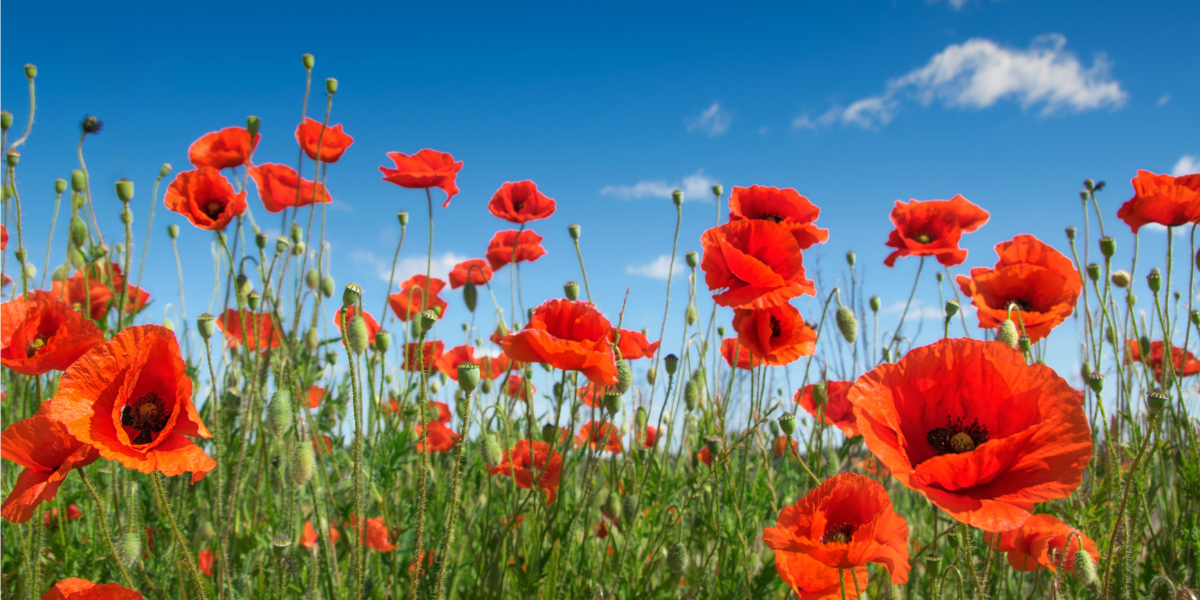
When that war ended; there were so many dead for whom there were no graves and so the next of kin were sent a bronze medal commemorating the sacrifice of the fallen; the ‘tomb of the unknown soldier’ was created; and in 1921; the Royal British Legion adopted the poppy as the symbol of Remembrance Day, as the fields of Flanders, scarred by the impact of war, that concealed so many of the dead were alive with poppies that were growing in the wild. Making the poppies gave work to many veterans who, though they came home, were physically and or mentally scarred in an environment where there was no welfare safety net and no NHS.
When Hitler started his bid for ‘stardom’; conscription was immediate; there were too many recent memories of war to inspire enough volunteers and the call went out to empire and commonwealth to rally to the cause.
So much for all the history; what about now?
Well, there’s certainly some ‘candidates’ for disrupting world leaders with their own desire for ‘world domination or stardom’ aren’t there?
World War One was the first global war to really affect people ‘at home’. Of course , by the time Hitler came along the impact on the home front was massive. There was a clear need for everyone to put aside political and social differences in the common effort to survive and win.
But sadly this was eighty odd years (and several generations) ago and there’s a real danger that the plight being experienced in Ukraine and elsewhere right now, is believed to ‘can’t happen here’.
The truth is it can, and may well do. Back in the 70’s and 80’s our then government saw this when they created ‘protect and survive’ and though some of the recommendations back then were at best ‘token’; it certainly alerted the nation to the reality of threat to our freedoms, our way of life and our safety.
So I don’t believe that the call to create an ‘emergency box’ now is actually even close to a joke. It’s serious and we all need to get serious about the need to be ready to ‘do our bit’; whatever that may be in a world where battles may well be waged with keyboards and ‘joypads’ rather more than ordnance and ‘cold steel’.
The symbol of the poppy defines much more than remembrance for those that died in two world wars. It’s also for those that worked in the factories despite threats from bombing and industrial accidents handling ‘dangerous stuff’; those that nursed the injured and those that cared for those that came home when PTSD was just ‘not recognised’. And it’s also for those affected by our armed forces activities and conflicts since 1945 right up to the current day; some of which has to stay confidential; even now.
This sacrifice has always required resilience, courage and altruism over and above patriotism.
The mantra, ‘for our future, they gave their today’ needs looking at through this lens; and reflecting upon, by us all.
We owe it to our forbears to honour their sacrifice by being ready, ourselves for whatever the future holds. As they did.
So, next Sunday morning, even if you cannot attend a parade yourself; put the telly on, just before 11 and look at yourself through that lens.