
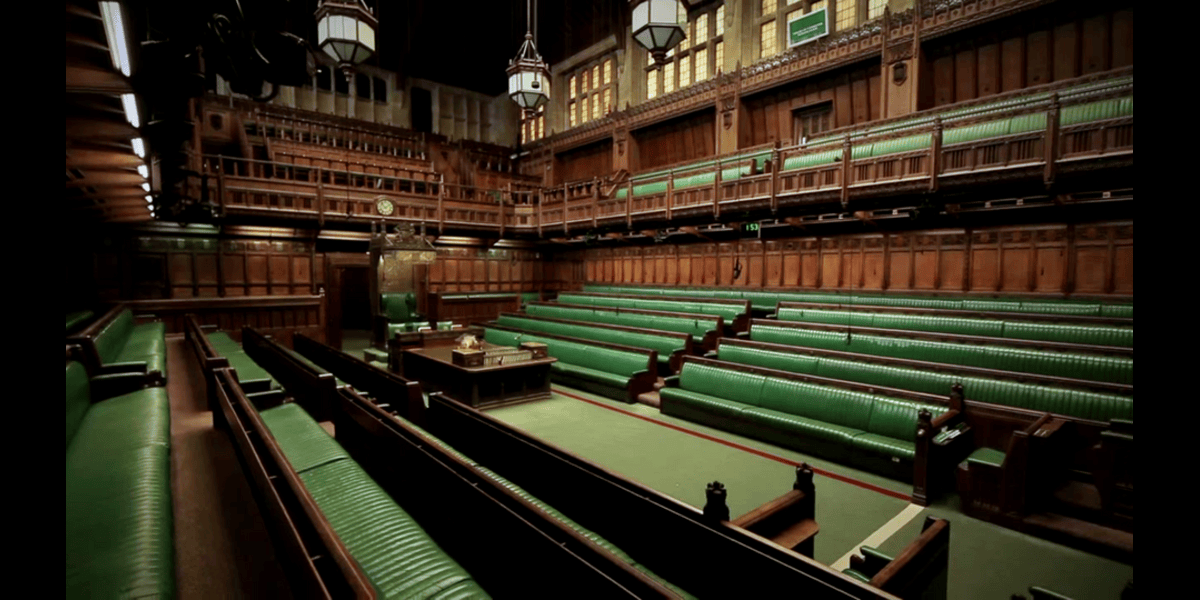
MPs have voted 290 to 94 to pass the Government’s Immigration and Asylum Bill, which would change how asylum appeals, refugee protection and asylum support work. The Bill now goes to the House of Lords. It is not yet law.
The Government’s plans to reform the immigration and asylum system took a step closer to becoming law on 17 November 2026, when the Immigration and Asylum Bill passed its third reading in the House of Commons. MPs voted 290 to 94, a majority of 196. Fourteen Labour MPs voted against the Bill.
The Bill now moves to the House of Lords, where peers will examine it, debate it and may propose changes.
The legislation is a central part of the immigration policy Home Secretary Shabana Mahmood first set out in November 2025. The Government says its aims are to reduce irregular migration, increase the removal of people with no legal right to be in the UK, and speed up how asylum claims and appeals are handled.
Ministers describe the Bill as a way to restore control and confidence in the system. Questions remain about how the changes will work in practice and whether enough safeguards will remain for vulnerable people.
A new body for asylum appeals
One of the biggest changes is a new Independent Immigration Appeals Authority. It would replace the immigration and asylum chamber of the First-tier Tribunal as the main place where immigration and asylum appeals are decided.
The Government argues that the current system is too slow, and that delays stop cases being resolved efficiently. Ministers say a new authority could respond more flexibly to changes in demand, simplify procedures and reduce repeated or fragmented claims.
The Government has also changed how people can challenge decisions. Someone wanting to appeal to the Upper Tribunal, the next level up, would apply for permission directly to that tribunal. Under the current process they would first apply to the new authority and then make a further application. The right to seek permission remains, but the route changes. Ministers say removing a duplicated step makes the system more efficient while keeping an important avenue for legal challenge.
Appeals often involve difficult questions about a person’s circumstances, family and the risks they could face if sent back to another country. Whether the new system can be both faster and fair will depend on its independence, its access to legal expertise and the quality of its decisions, as well as its speed.
One protection status and contributions to support
Currently, people granted protection in the UK receive either refugee status or humanitarian protection, depending on their claim. The Bill would replace these with a single protection status. The Government says this would simplify decision-making and make the system easier to run.
It would also remove the existing route for “upgrade” appeals, where someone challenges a decision to give them a lower form of protection than the one they believe they qualify for. The practical effect on people seeking protection will depend on the detailed rules and entitlements attached to the new status, which the Bill leaves to be set out later.
The Bill would also let the Home Office require asylum seekers who are given taxpayer-funded accommodation and other support to contribute to the cost if they can afford it. The Government says people with the means to pay should not automatically be supported at public expense. Open questions include how financial circumstances will be assessed, how much people could be asked to pay, and what happens if someone’s situation changes.
The Government says the Bill also reforms the modern slavery system, aiming to reduce misuse while strengthening protection for victims.
What happens next?
Passing the Commons does not make the Bill law. In the Lords it will go through several stages, including a general debate, a detailed line-by-line examination in committee, and further rounds of amendments. If peers change the Bill, it returns to the Commons, and the two Houses go back and forth until they agree on the same text. Only then can it receive Royal Assent, the King’s formal approval, and become an Act of Parliament.
That means the wording could still change, and nothing in the Bill alters the rules for anyone’s current application or appeal. For now, the Commons vote shows that the Government can win support for its reforms, but the harder scrutiny is still to come.