The UK’s decision to formally back Morocco’s “autonomy plan” for Western Sahara is a bold geopolitical pivot – and a deeply consequential one.
On the surface, it may appear a strategic win: unlocking trade opportunities, courting influence in North Africa, and positioning British companies favourably ahead of the 2030 World Cup.
Neutrality has been abandoned
But beneath the diplomatic language and talk of “progressive realism,” there’s a more uncomfortable truth: Britain has effectively abandoned a long-standing position of neutrality in favour of short-term economic interest.
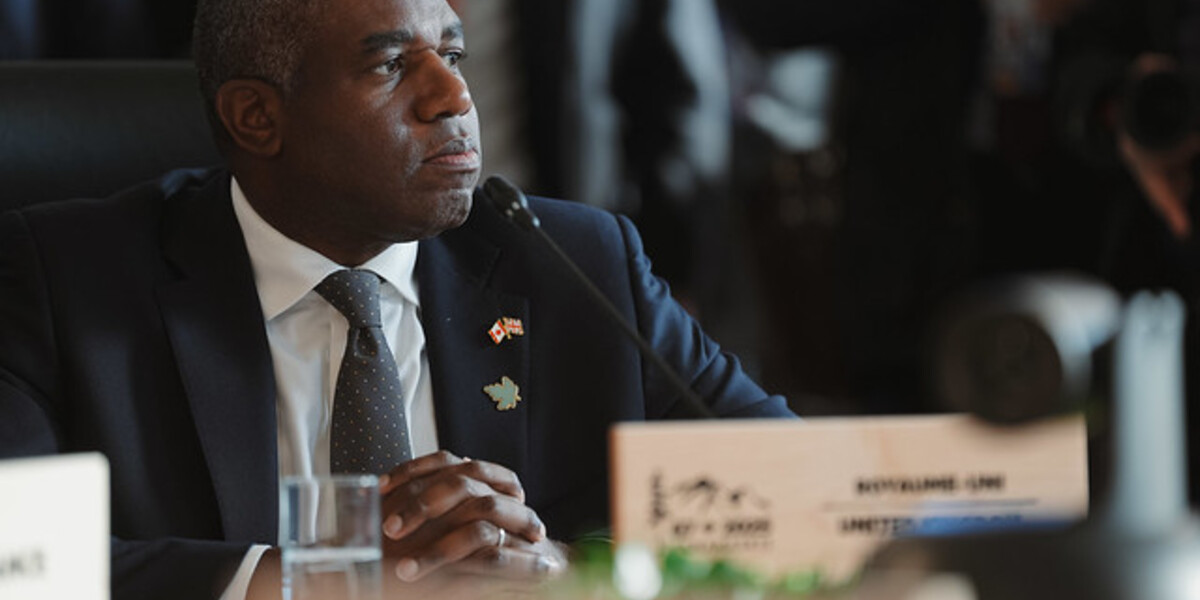
Foreign Secretary David Lammy’s endorsement of Morocco’s plan – which would leave Western Sahara under Rabat’s ultimate control – is a marked shift from the UK’s previous stance that the territory’s status was “undetermined.”
While the government insists its position still supports the UN-led process and the principle of self-determination, in practice it has cast its lot with Morocco in a decades-old dispute over sovereignty and independence.
Likely to feel like a betrayal
There’s no mistaking what this means on the ground. For the 180,000 Sahrawis still living in refugee camps in south-west Algeria – many under the care of the Polisario Front, which seeks full independence – Britain’s shift is likely to feel like a betrayal. For decades, they have been promised a UN-backed referendum. That promise, always elusive, now feels even more remote.
The UK joins a growing list of Western powers – including the US, Spain, and France – who have aligned with Rabat’s vision of a “solution,” often at great diplomatic cost. Paris and Madrid have both faced severe deterioration in relations with Algeria as a result. London may soon feel similar consequences, particularly as it now finds itself on the opposite side of a geopolitical divide in the Maghreb.
About commercial positioning
The real motive behind the move lies not in peace-building, but procurement. With Morocco set to co-host the 2030 World Cup, Britain is eager to place its firms “at the front of the queue” for infrastructure contracts and investment opportunities, particularly in healthcare and renewables. This is less about resolving conflict and more about commercial positioning.
Some will argue this is simply realpolitik – a necessary recalibration to ensure British interests are protected in a competitive global landscape. That’s the logic behind Lammy’s so-called “progressive realism.” Yet the term rings hollow when applied to a region where self-determination is not just a slogan, but a decades-long struggle, and where Britain’s newfound clarity benefits one side exclusively.
Even more troubling is the timing. Low-level hostilities resumed in Western Sahara in 2020, after the Polisario accused Morocco of violating the ceasefire. The UN process remains stalled. The region is not at peace. And yet, Britain has chosen to act as though the dispute is settled.
Long term strategy?
There may well be a long-term strategy at play – a vision of the UK as an agile, trade-led power, unafraid to make hard choices. But in this case, the cost is credibility. Supporting Morocco’s claim without securing concrete guarantees for Sahrawi rights risks placing Britain on the wrong side of both history and diplomacy.
If foreign policy is to mean more than transactional calculus, then self-determination cannot be optional. The Sahrawi people have waited decades for their voices to be heard. Backing Morocco unconditionally only adds to the silence.
Britain may gain contracts. But it forfeits something far more valuable: moral clarity.