
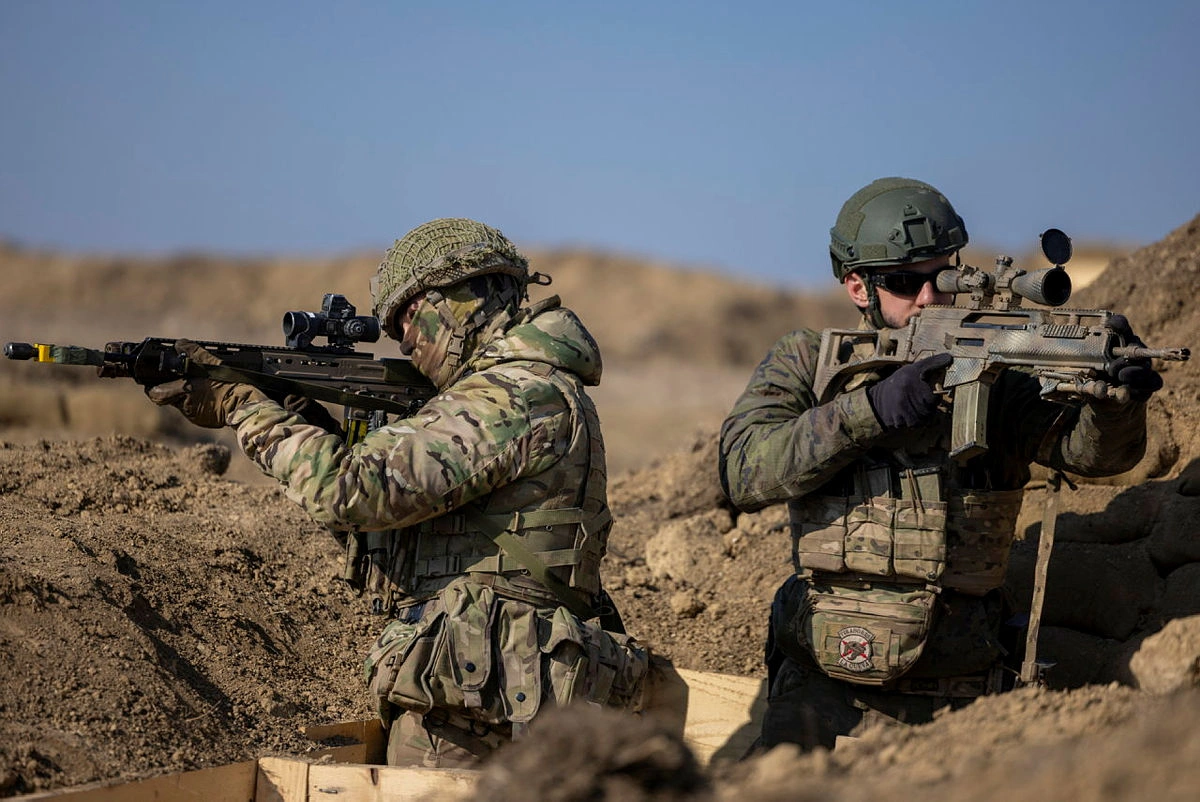
Ofsted report highlights high standards but recurring issues with kit and accommodation
Training for the UK’s Armed Forces remains of a high standard, but too many recruits and trainees are left frustrated by wasted time in “holdover” periods, according to Ofsted’s latest annual report.
The inspectorate’s 17th review of welfare, care and training across the Army, Navy and RAF found that all establishments provided good or outstanding training, with none rated inadequate. The Infantry Training Centre at Catterick in Yorkshire was singled out for praise, achieving an “outstanding” grade in its October inspection.
Chief Inspector Sir Martyn Oliver said he was “impressed” by the quality of training and welfare on offer, adding that recruits were being given “a good foundation towards becoming professional and skilled members of the Armed Forces.”
Wasted time in holdover
Despite the positives, Ofsted repeated concerns about the number of trainees stuck in “holdover” – the period where recruits must wait before starting the next phase of training.
Holdover can be caused by injury or course delays, but inspectors found that in too many cases trainees were left without structured activity to keep them motivated and maintain their skills. At some establishments, frustration grew as courses were repeatedly postponed, leaving recruits idle and disengaged.
Sir Martyn said more needed to be done to provide “purposeful activity for those waiting to start further training”.
Equipment still ill-fitting
The report also flagged ongoing problems with the issue of kit. For the fourth consecutive year, inspectors found that female recruits and smaller male trainees were being supplied with equipment such as webbing and rucksacks that did not fit properly.
Ill-fitting gear not only undermines training, the report warned, but poses “a very serious risk” in combat situations where soldiers need to operate at full capacity.
Accommodation concerns
Another recurring issue was the state of living facilities. Inspectors described deteriorating infrastructure and poor-quality accommodation across several sites, with some trainees housed in buildings where urinals leaked and shower temperatures fluctuated uncontrollably.
The poor conditions were said to be damaging to both trainee morale and staff wellbeing, despite the efforts of senior officers to prioritise welfare and training.
Praise and challenges ahead
While Ofsted emphasised that the overall picture for Armed Forces training was strong – with high standards of care and committed leadership – it warned that persistent issues around holdover, equipment and infrastructure risk undermining progress.
Sir Martyn added: “It remains the case that more needs to be done to address the issues we have repeatedly identified with infrastructure, kit and ensuring purposeful activity for those waiting to start further training.”
The report, Welfare and duty of care in Armed Forces initial training, is the 17th published by Ofsted and comes as the Ministry of Defence continues its programme of modernisation under the Strategic Defence Review.