A noticeable shift in Britain’s political and national mood
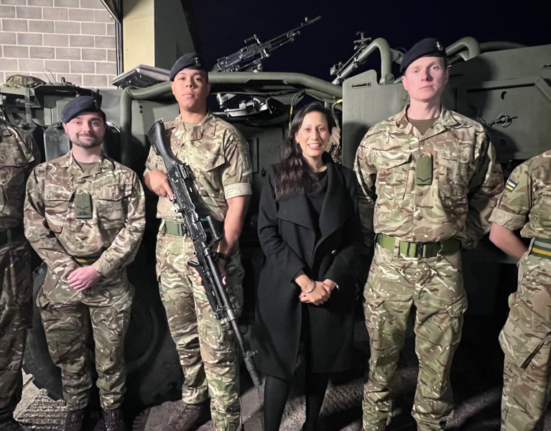
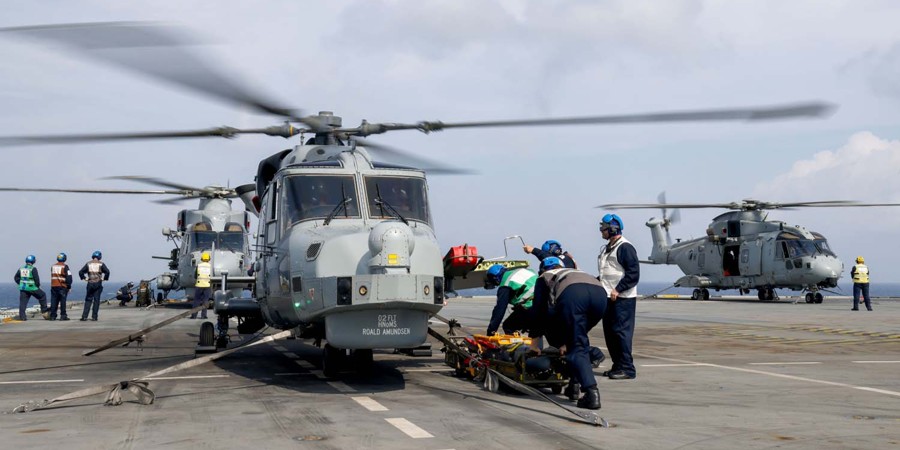
As we head into 2026, something has changed in Britain’s national mood. It is not loud or theatrical, but it is unmistakable. Ministers speak with a new gravity. Generals appear more frequently on breakfast television. Civil servants talk about resilience, supply chains and contingencies. Even the language has hardened. We are told to expect shocks, disruption and sacrifice. Britain, quietly but deliberately, is preparing for war.
This is not the sabre rattling of a restless power. It is the cautious recalibration of a country that has realised its assumptions no longer hold. For three decades, Britain lived in the afterglow of the Cold War. Defence was trimmed, stockpiles reduced and war reframed as something expeditionary and optional. Conflict happened elsewhere. When it involved us, it was limited, professional and politically containable.
That illusion has evaporated.
The return of large scale war to Europe and what it means for Britain
Russia’s invasion of Ukraine did more than redraw borders. It shattered the belief that industrial-scale state-on-state war belonged to history. Trenches, artillery duels and mass mobilisation were no longer archive footage. They were nightly news.
For Britain, a nuclear armed state with treaty obligations, intelligence reach and global interests, this was a strategic alarm bell. Geography no longer guarantees insulation. Distance no longer equals safety. The assumption that war would always be something Britain chose, on its own terms, has been exposed as complacent.
Why the Ukraine conflict has forced Britain to rethink defence readiness
The lesson from Ukraine has been blunt. Wars are not won by rhetoric or technology alone. They are won by logistics, industrial depth and national stamina. Ammunition runs out. Air defence interceptors are finite. Repair capacity matters as much as frontline heroics.
Western nations, Britain included, discovered uncomfortable truths. Defence industries are slow to surge. Stockpiles are thinner than assumed. Supply chains are vulnerable to disruption and political pressure. Preparing for war does not mean wanting it. It means accepting that deterrence only works when it is credible, and credibility requires readiness.
Moving from decades of comfort to a new era of national resilience
For years, British policy was shaped by comfort. Energy was cheap. Trade routes were open. Globalisation was assumed to be benign. Today, every one of those assumptions looks fragile.
Energy security has become strategic rather than economic. Trade can be weaponised. Sanctions cut both ways. Alliances now expect contribution, not platitudes. As a result, resilience has become the organising principle of modern defence thinking.
This goes far beyond tanks and jets. It reaches into power grids, food systems, ports, data centres and undersea cables. Modern war does not begin with an invasion. It begins with disruption.
How energy security, supply chains and cyber threats redefine modern war
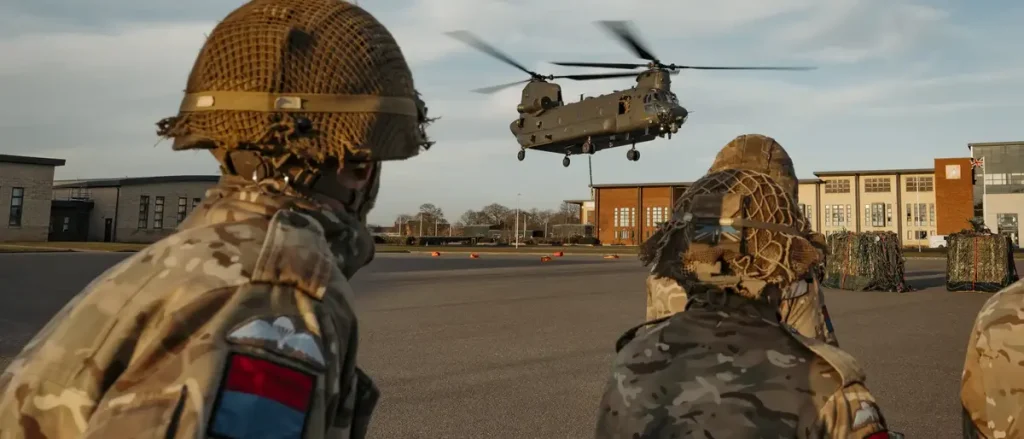
The battlefield has expanded. Cyberattacks can cripple hospitals without firing a single shot. Disinformation corrodes trust long before missiles are launched. Attacks on infrastructure blur the line between war and peace.
Britain’s preparation reflects this reality. Power cuts are discussed as contingency planning rather than panic. Cyber incidents are treated as inevitabilities. Resilience is framed as a shared responsibility across government, business and society.
The message is subtle but consistent. War, if it comes, will not be confined to soldiers in uniform. It will touch everyday life.
The political risks and realities of preparing Britain for conflict
Preparing for war is politically awkward. It demands money, honesty and trade-offs. Defence spending competes with public services. Long-term planning clashes with short electoral cycles. Telling voters that peace has a cost is rarely popular.
Yet a cross-party consensus is slowly forming. Defence is no longer discretionary. It is insurance. Expensive, imperfect, but essential. Britain’s global standing depends not on nostalgia, but on capability. Allies expect leadership. Adversaries probe weakness.
Military exercises, procurement announcements and alliance commitments are not theatrics. They are signals. They say Britain is paying attention. They say complacency is no longer policy.
Why defence spending and military readiness are no longer optional
The era of minimal deterrence is over. Readiness cannot be assumed on the basis of past reputation. It must be demonstrated continuously. That means investing in people, stockpiles, training and industrial capacity.
It also means accepting inefficiency. War preparation is not lean. It involves redundancy, surplus and margin for error. In peacetime, this looks wasteful. In crisis, it looks prescient.
The growing expectation of societal sacrifice and civic responsibility
The most profound shift is societal. War preparation cannot be outsourced to Whitehall or the armed forces alone. It requires public consent and cultural readiness. Concepts long considered unfashionable are returning: duty, service and collective responsibility.
This does not mean conscription tomorrow. It means recognising that national security rests on more than professional soldiers. Skills, resilience and public trust matter. Disruption becomes a price worth paying for security.
What war preparedness means for British society beyond the armed forces
Britain has done this before. The memory is distant, but it is embedded in institutions and instincts. The challenge is translating that legacy into a digitally dependent, highly individualised society.
Preparedness today looks less like ration books and more like redundancy in systems, adaptability in labour and credibility in institutions. It is quieter, but no less demanding.
The uncomfortable but necessary logic behind military preparation
There is a paradox at the heart of all this. Preparing for war can feel like normalising it. Critics warn that militarisation narrows diplomacy and accelerates confrontation. These concerns are legitimate and deserve scrutiny.
But history offers a harsher lesson. Unprepared nations invite pressure. Weakness breeds miscalculation. Deterrence fails when it is assumed rather than demonstrated.

Why deterrence fails when readiness is assumed rather than demonstrated
Britain’s current course is not about beating drums. It is about removing doubt. About ensuring that if conflict comes, it is faced from a position of strength rather than surprise.
Preparing for war is not a moment. It is a process. It will be uneven, contested and expensive. Mistakes will be made. Old habits will resist change. But the direction is set.
Britain is adjusting to a world where security is no longer ambient. Peace requires maintenance. Readiness is a virtue, not an embarrassment.
Preparing for war as a strategy to preserve peace rather than provoke conflict
This is not the Britain of jingoistic fantasy, nor of isolationist retreat. It is a Britain waking up to reality. War has not become inevitable. But pretending it is unthinkable is no longer an option.
In the uneasy space between alarm and denial, Britain is choosing preparation. It is a sober choice, and perhaps the most responsible one it can make.