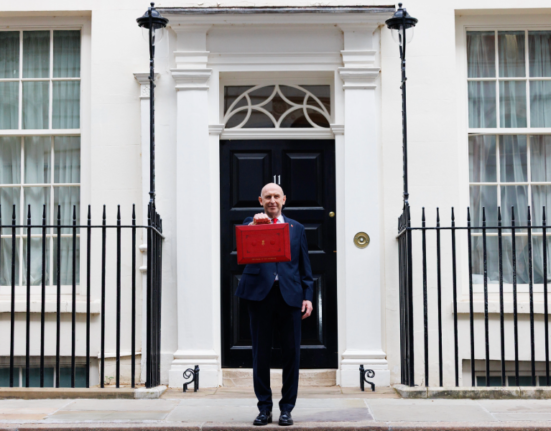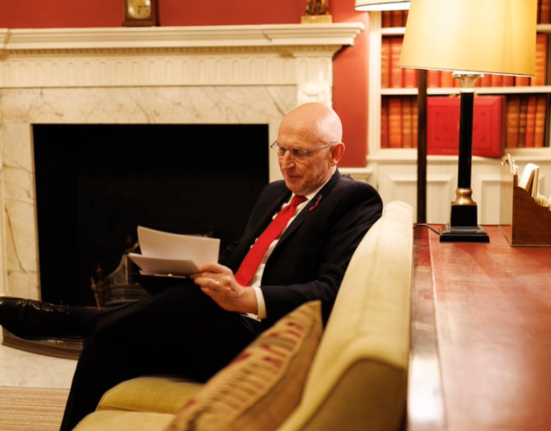
As Admiral Sir Tony Radakin steps away from his role as Chief of the Defence Staff, Britain bids farewell to one of the most influential military leaders of a generation. His four years as the professional head of the Armed Forces coincided with a period of extraordinary geopolitical uncertainty, from Russia’s invasion of Ukraine and escalating tensions in the Middle East to a renewed focus on NATO’s collective security responsibilities. A former First Sea Lord, Sir Tony became the first Royal Navy officer in two decades to lead the Armed Forces. Throughout his tenure, he established a reputation as a moderniser, championing greater integration with allies, accelerating the adoption of emerging technologies including artificial intelligence and autonomous systems, and driving efforts to prepare the UK’s military for a more complex and contested security environment. Yet as he leaves office, Sir Tony’s final reflections offer a stark warning for ministers and defence planners alike. While welcoming the Government’s commitment to increase defence spending and its ambition to reach 3.5 per cent of GDP by 2035, he argues that pledges alone will not guarantee Britain’s security. “The promises and commitments are really welcome, but the jury remains out until percentages become pounds and pounds become capability.”
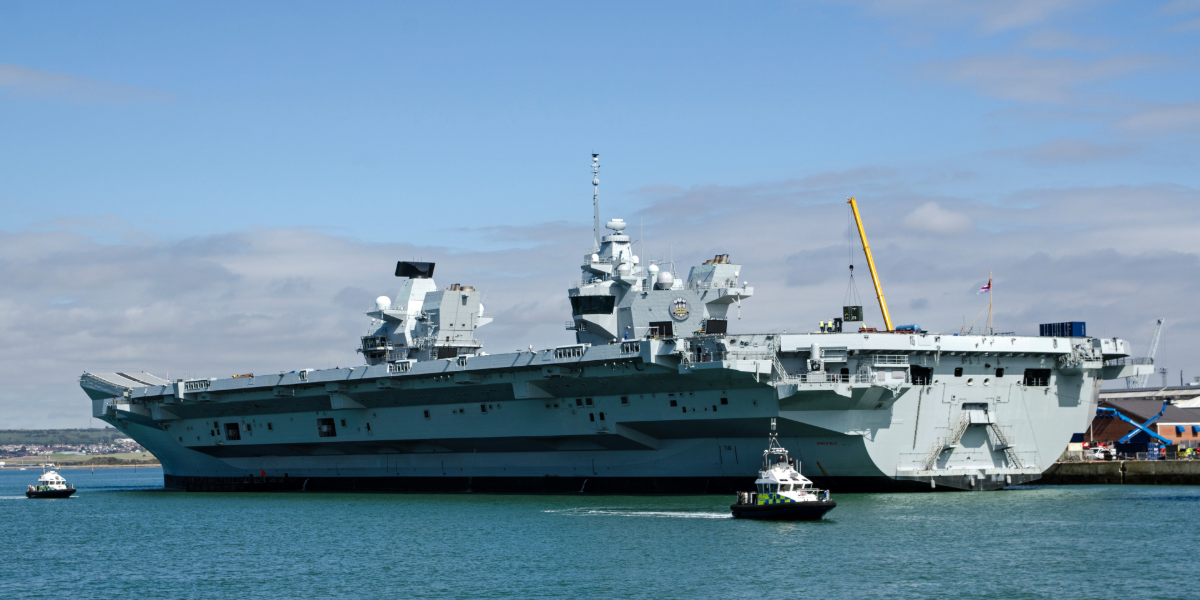
His comments cut to the heart of a debate that reaches far beyond Westminster. Over the past decade, successive governments have committed billions to major strategic programmes, including renewal of the UK’s nuclear deterrent, the AUKUS submarine partnership, and the Global Combat Air Programme that will deliver a sixth-generation fighter aircraft. These projects are vital to Britain’s long-term defence posture. However, Sir Tony’s concern is that conventional military capability has not kept pace with strategic ambition. The ships, aircraft, tanks, munitions and personnel that form the backbone of military power continue to face significant pressures. Despite increased spending, many within defence remain concerned that capability gaps created by years of constrained budgets have yet to be fully addressed. For the West Midlands, these questions are particularly relevant. The region sits at the heart of Britain’s defence manufacturing and engineering ecosystem, supporting everything from armoured vehicle production and aerospace innovation to advanced technology development and supply chain resilience. Government commitments to defence investment have the potential to drive jobs, skills and economic growth across the region, but industry leaders will be looking for clarity on where future spending will be directed and how quickly projects can move from announcement to delivery.
Sir Tony worked closely with Defence Secretary John Healey as ministers developed longer-term defence plans and examined how the Armed Forces should evolve to meet future threats. Yet his departure leaves unanswered questions about what Britain’s military will actually look like by 2030 and beyond. That uncertainty comes at a time when the strategic environment is becoming increasingly challenging. NATO nations continue to support Ukraine against Russian aggression, instability persists across parts of the Middle East, and great power competition is reshaping defence thinking across Europe and the wider world. Throughout much of this period, Radakin played a central role in coordinating allied military support, strengthening international partnerships and reinforcing Britain’s position within the Alliance. Dr Richard Fallon, Managing Partner of the Defence Procurement Conference, which returns to Birmingham on 16 and 17 June, said these are precisely the issues confronting defence leaders, policymakers and industry today.
“The Strategic Defence Review has set a direction of travel, but delivery is now everything. The Defence Procurement Conference provides a unique platform where government, the Armed Forces, prime contractors, SMEs and academic partners can come together to discuss how ambition is translated into capability. Procurement, innovation and industrial resilience are no longer back-office functions; they are central to national security.”
Dr Fallon added that Admiral Sir Tony Radakin’s contribution to defence policy and military modernisation has made him one of the most influential figures in British defence over the past decade.
“Sir Tony Radakin has been at the centre of some of the most significant defence challenges of modern times. His insights on leadership, alliance building, capability development and military transformation would be invaluable to delegates. We have extended an invitation for Sir Tony to join us as a keynote speaker at the Defence Procurement Conference and hope to welcome him to Birmingham to share his perspectives on the future of UK defence.”
As Air Chief Marshal Sir Richard Knighton assumes leadership of the Armed Forces, he inherits both opportunities and challenges. Political commitments on defence spending are increasingly ambitious, but as Sir Tony’s parting message suggests, the real challenge now is delivery. For all the talk of percentages and spending targets, national security ultimately comes down to capability. The measure of success will not be the promises made at dispatch boxes or international summits, but whether Britain can field the ships, aircraft, weapons systems and trained personnel required to deter adversaries and protect national interests.
Sir Tony Radakin leaves office with a legacy of reform, international cooperation and strategic leadership. But his final warning should resonate across Whitehall and beyond: defence cannot be strengthened by aspiration alone. The coming decade will require not just investment, but decisive action to ensure Britain’s Armed Forces remain capable, credible and ready for an increasingly dangerous world.