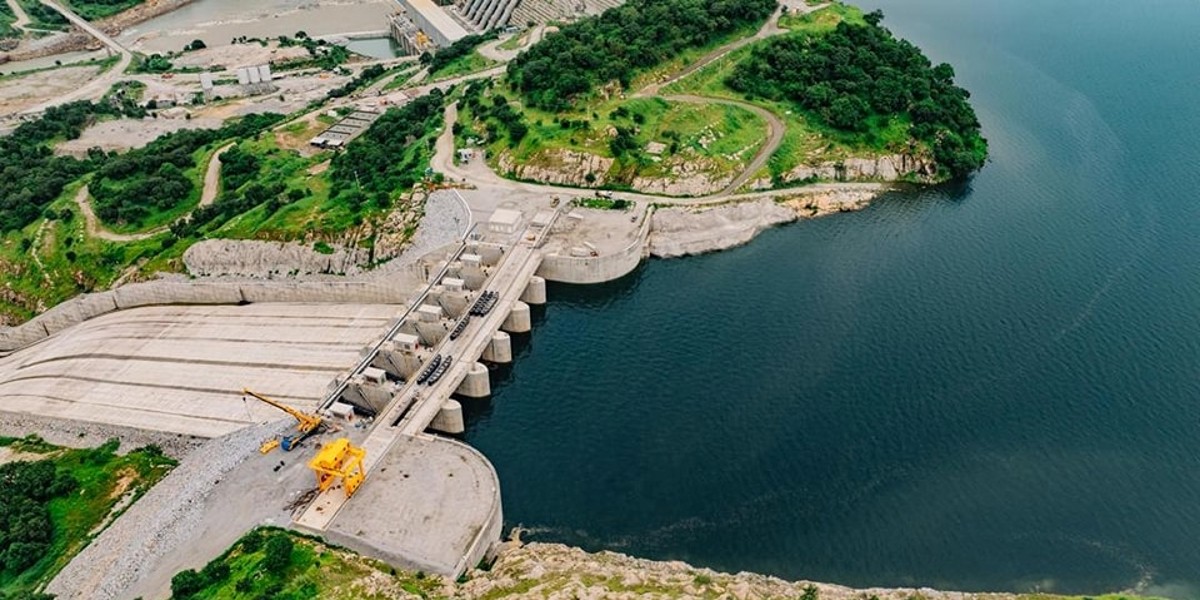
As Ethiopia opens a new hydroelectric dam, geopolitical analysts believe the development could lead to ructions between Ethiopia and its North African neighbours.
The physical challenge
Though the large infrastructure project will undoubtedly serve Ethiopia well by providing electricity and affording the nation greater control on the flow of water through the region, Egypt is highly concerned by the prospect of the project causing a drought with severe impacts on agriculture and hydration.
An existing challenge for Egypt
Egypt already struggles to provide water to its population of over 100 million people, with 90% of the nation’s water being provided by the Nile. Experts warn Ethiopia’s dam will add further pressure on to Egypt’s existing water resource challenge and require the nation to step up its desalination investments to make seawater a viable option for its domestic water supply.
Not only is the 170m tall hydroelectric dam expected to cause agricultural and hydration problems for Egypt, but it will undoubtedly cause headaches for its electricity grid too. Egypt’s own hydroelectric dam, the Aswana High Dam, further down the Nile, produces at capacity 2.1 gigawatts (GW), supplying several million homes.
What this means for regional relations
Regionally, political tensions have already escalated. Ethiopia has taken a less liberal stance on the situation, choosing to prioritise its own interests. The breakdown in cooperation between two prominent African countries is concerning.
The move by Ethiopia reflects a wider willingness of nations across the globe to abandon the liberal international order and instead move to an era of isolationist politics – a global tone set by the US with Trump’s ‘America First’ agenda.
What’s next for the region?
Political instability and regional conflicts are nothing new in Northern and Eastern Africa. But after years of perceived stability, thanks to the intervention of intergovernmental organisations, could this be the start of a period of chaos, instability and possibly even humanitarian crisis? Only time will tell.