It was democracy in a nutshell: Emotive, important, messy and entertaining.
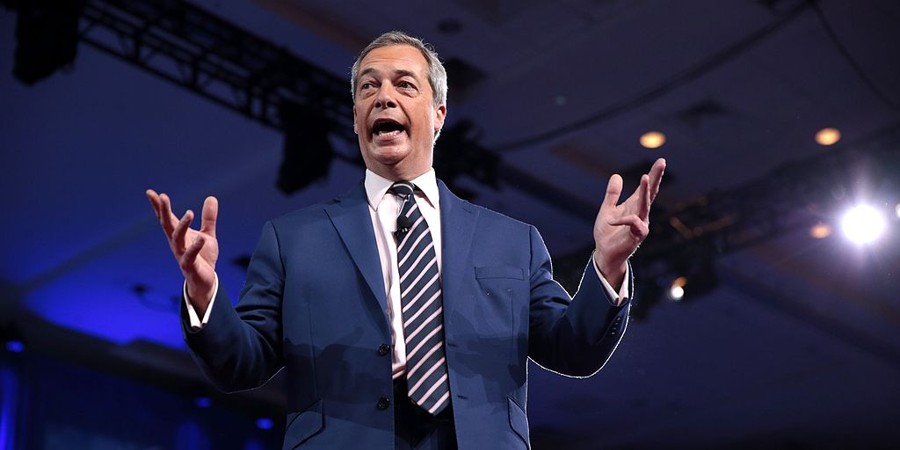
Nigel Farage, leader of Reform UK and one of just five MPs from that party, rose to his feet in the House of Commons to deliver a 10-minute rule motion on the UK leaving the European Convention on Human Rights (ECHR).
“We are not sovereign all the while we are part of the ECHR, the European Council and its associated court. It’s as simple as that,” Farage said in his characteristically pugilistic style.
Surrounded by Lib Dem opponents
Surrounding him were just about all of Sir Ed Davey’s 71 Lib Dem MPs (72 including him) who packed the chamber to heckle and jeer Farage, and vote down his motion, which they duly did – 154 to 96.
Davey, opposing the proposal, said the ECHR “upholds our freedom of speech.”
The Lib Dems’ tactics were immediately criticised by those aligned with Reform, dismissed as childish and not fair etc.
After the session ended, Davey tweeted a picture of himself drinking a toast to having saved democracy.
Wholesome fun
Yes, yes, very clever and, ultimately, all good, wholesome fun.
But make no mistake: Yesterday Farage laid down a marker. He put on record the desire of his party, which may only boast five MPs now but may well be our government in 2029, to quit the ECHR. In days to come, he’ll refer back to this moment.
Farage has form for this. After his election as an MEP in 1999, his speeches to the European Parliament about Britain leaving the EU were heckled and jeered in a similar fashion to what happened in the House of Commons this week.
Eurocentrists laughed at what they saw was a silly man vastly outnumbered.
Laugh at your peril
Back then Farage spoke on behalf of many millions of people in Britain who would eventually vote to leave the EU.
While he may have been shouting against a tide of opponents in the chamber this week, it is true to say that, once again, his sentiments on leaving the ECHR are shared by many millions outside it.
Could history be repeating itself? Time will tell.
Note: A 10-minute rule motion permits a backbench MP to make a case for a new law in a speech lasting no more than 10 minutes.