A major fire has destroyed six hotels in Zanzibar’s popular Nungwi Beach area, causing extensive damage to buildings and disrupting tourism in one of Tanzania’s best-known holiday destinations. Although no deaths were reported in the initial account, the incident has raised concerns about fire safety, emergency preparedness and the impact of unexpected disasters on local businesses.
Fire causes extensive destruction
The fire engulfed six hotels along the coastline at Nungwi, an area known for attracting international tourists with its beaches, accommodation and coastal activities.
The incident caused widespread damage over the weekend, with several hotel buildings affected by the flames.
Fires involving multiple buildings can be particularly difficult for emergency services to control. Once flames spread between neighbouring properties, firefighters may have limited time to prevent further destruction.
Buildings in tourist areas can also contain large amounts of furniture, electrical equipment and other materials that contribute to the spread of fire.
The full circumstances surrounding the incident remain subject to investigation. It would therefore be premature to attribute the cause to an electrical fault, negligence or any other specific factor without confirmed findings.
Why Nungwi is important to Zanzibar
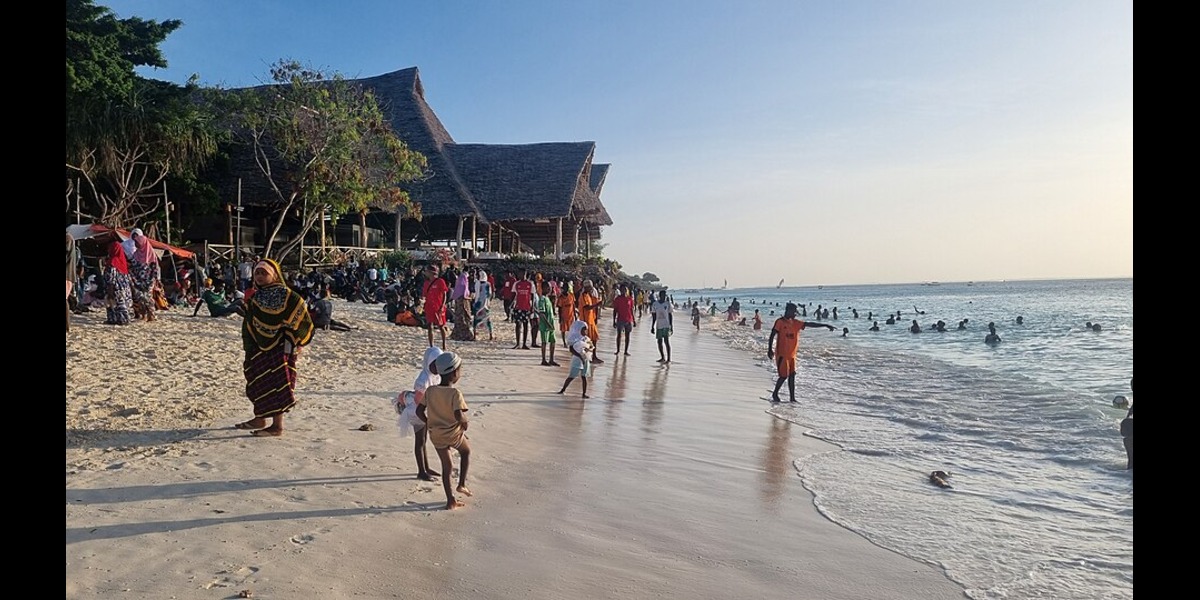
Nungwi is one of Zanzibar’s most recognised tourist destinations. Located on the northern coast of the island, it attracts visitors looking for beach holidays, hotels, restaurants and opportunities to explore the surrounding Indian Ocean.
Tourism plays an important role in Zanzibar’s economy, providing employment and income for thousands of people.
Hotels and other accommodation businesses support a wider network of local workers, including cleaners, restaurant employees, drivers, tour operators and suppliers.
Consequently, a fire affecting six hotels could have an impact extending beyond the buildings themselves.
Workers may face uncertainty about their employment, while businesses that rely on hotel visitors could experience a reduction in customers.
The effect on tourists and local businesses
For visitors staying in the affected area, the immediate priority would have been finding safe alternative accommodation.
Holidaymakers can face considerable disruption when hotels become unavailable unexpectedly, particularly during busy travel periods.
Tour operators and travel companies may also need to reorganise bookings and provide assistance to customers whose accommodation has been affected.
For local businesses, the consequences could last considerably longer than the initial emergency.
Hotels require significant investment to repair or rebuild after major fires. Even when a building can be restored, owners may face additional expenses involving insurance, replacement equipment and lost income.
Smaller businesses that depend on tourism spending may also experience financial difficulties if visitor numbers temporarily fall.
Fire safety in tourist accommodation
The incident has renewed attention on the importance of fire safety in hotels and holiday accommodation.
Tourist properties must consider the safety of guests who may be unfamiliar with the layout of a building, particularly when they are sleeping.
Effective fire safety arrangements normally include functioning alarms, accessible emergency exits, suitable firefighting equipment and clearly displayed evacuation instructions.
Staff training is equally important because employees may be responsible for helping visitors leave safely during an emergency.
Hotels must also consider the risks associated with electrical installations, cooking facilities and other equipment that could potentially cause fires.
Investigations into the Zanzibar incident may provide further information about whether existing safety arrangements were adequate.
Tourism and the importance of recovery
Zanzibar has become an increasingly popular destination for international travellers, with tourism providing an important source of economic activity.
A serious incident involving multiple hotels can therefore create wider concerns about the resilience of the local tourism industry.
However, it is important to distinguish between damage to a particular area and the condition of the entire island. The destruction of six hotels does not mean that all accommodation or tourist facilities across Zanzibar have been affected.
Recovery will depend on the extent of the damage, the availability of financial support and how quickly affected businesses can resume operations.
What happens next?
Authorities will need to establish how the fire began and whether any further safety measures are necessary.
Hotel owners will also face the difficult process of assessing damage, dealing with insurance claims and deciding whether rebuilding is possible.
For the local community, the priority will be supporting affected workers and businesses while maintaining confidence in the destination.
Although the initial reports indicated that no lives were lost, the destruction of six hotels represents a significant setback for the affected businesses.
The incident demonstrates how quickly an unexpected emergency can affect an entire tourist area. It also highlights the importance of effective fire prevention, emergency planning and cooperation between local authorities and the hospitality industry.