New polling for The Road Safety Trust finds majority support for key parts of the Government’s National Road Safety Strategy, including eyesight tests for older drivers and minimum learning periods for new ones.
Most people in Britain support stronger road safety measures, according to new research carried out by More in Common on behalf of The Road Safety Trust.
The findings were presented today (Thursday 15 October) at the annual UKROEd/NPCC Roads Policing Conference.
The survey comes almost a year after a similar poll commissioned by the Trust, which was carried out before the Government published its National Road Safety Strategy in January. The latest results suggest strong public backing for many of the strategy’s proposals.
All six measures tested in the survey received clear majority support. The most popular was eyesight testing every three years for drivers aged 70 and over, backed by 81 per cent of respondents and opposed by six per cent. Among people aged 75 and over, support rose to 85 per cent.
Seven in ten (71 per cent) support a phased licensing system for new drivers, which could include limits on late night driving or carrying young passengers. Two thirds (66 per cent) back a minimum learning period of three to six months between the theory and practical tests.
Around six in ten support making safety technology such as intelligent speed assistance mandatory in all new cars (64 per cent), cutting the drink drive limit in England and Wales from 80mg to 50mg (64 per cent), and adopting a national “Vision Zero” goal of no deaths or serious injuries on Britain’s roads (62 per cent).
Support crossed political lines, with no measure falling below 57 per cent among any group of 2024 voters.
Ruth Purdie OBE, Chief Executive of The Road Safety Trust, said: “Progress on reducing the number of those killed or seriously injured on our roads has plateaued for too long, and the introduction of the Government’s Road Safety Strategy has been a welcome and important step towards a renewed focus on road safety at national level.
“These findings indicate an appetite for bold action and robust road safety measures which have the potential to save many lives on our roads. I hope it gives leaders the confidence that their decisions will be supported by a willing public.”
Concern over young drivers
Just under half of Britons (45 per cent) believe too little is being done to reduce the risks faced by young drivers, broadly unchanged from 48 per cent in October 2025.
Views differ sharply by age. Around two thirds of over 65s say not enough is being done, compared with 30 per cent of 18 to 24 year olds. Phased licensing shows a similar divide, supported by 91 per cent of over 75s but fewer than half (49 per cent) of 18 to 24 year olds. A minimum learning period proved less divisive, with 61 per cent of the youngest age group in favour.
Drink and drug driving
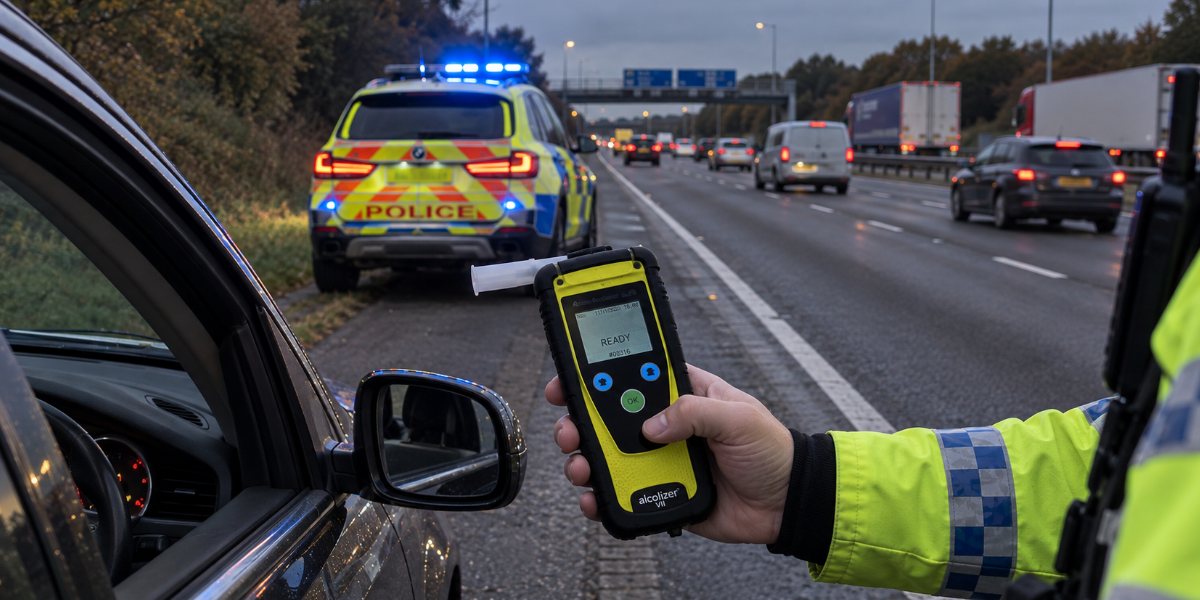
Nearly three quarters (73 per cent) support temporarily suspending a driver’s licence before conviction if a roadside test shows they are over the alcohol limit or positive for drugs. Six per cent are opposed. Support was similar among regular drivers (75 per cent) and non drivers (70 per cent).
Almost half (49 per cent) think drivers who passed their test within the last two years should face a lower alcohol limit, rising to 54 per cent among 18 to 24 year olds. A further 45 per cent favour a lower limit for professional drivers while working.
Most respondents felt current minimum bans for drug driving were about right. Opinion was split, however, on the five year minimum ban for causing death by careless driving under the influence of drugs, with 44 per cent saying it is too short and 43 per cent saying it is about right.
Six in ten (61 per cent) believe drug driving deaths have increased. Official data from 2023 showed deaths linked to drug impaired driving had more than doubled over the previous decade, while 2025 figures showed drug driving offences overtaking drink driving offences for the first time.
Perceptions of road deaths
Half of Britons (50 per cent) think the number of people killed on the country’s roads has risen over the past five years, while only seven per cent believe it has fallen. Official figures show road deaths have fallen slightly each year since 2022.
Louis O’Geran, External Affairs Manager at More in Common, said: “This research shows that the public are attuned to the dangers of driving on our roads – three in five correctly identified that drug-driving deaths have risen in recent years – and there’s an appetite for tough measures to improve road safety.
“Often, interventions on road safety risk being framed as a divisive ‘war on motorists’, and it’s too early to say how the government’s Road Safety Strategy will land with the public when it is implemented. But it’s clear from the data that a bold policy package on road safety could appeal across voter groups and age groups.”
More in Common surveyed 2,088 adults in Great Britain online between 3 and 5 October 2026. The previous wave of polling surveyed 2,003 adults between 3 and 6 October 2025.