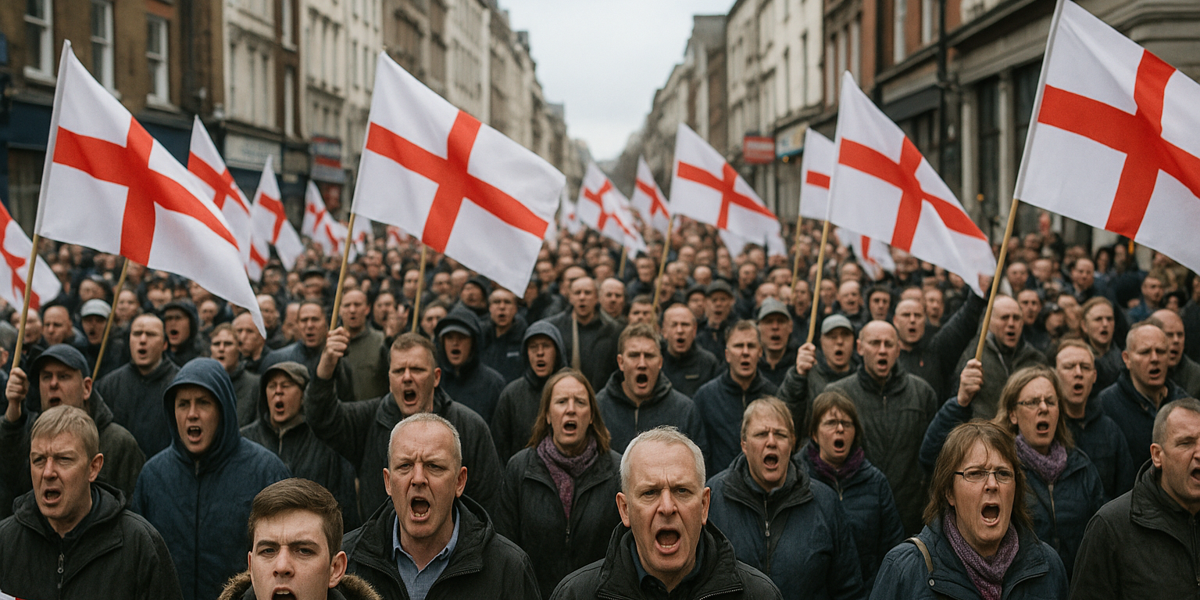
A country on the edge
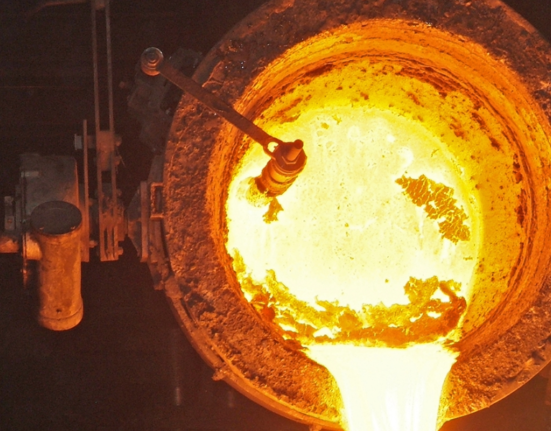
Britain today feels like a kettle that has been left on the hob for too long. The water is roiling, the steam is hissing, and yet nobody is paying attention to the shrill whistle.
The danger is not a dramatic explosion, but a slow, corrosive boiling over that leaves the pan scorched beyond repair.
If you travel from London to Liverpool, from Glasgow to Gloucester, you will hear the same refrain: people are tired, disillusioned, and angry. The optimism that once painted Britain as a plucky island nation has curdled into cynicism. The talk is no longer of opportunity but of survival.
Broken politics, broken promises
The theatre of Westminster no longer inspires even pantomime laughter. The governing party, exhausted and riven by its own psychodramas, lurches from crisis to crisis like a boxer on the ropes. The opposition, so fearful of frightening the horses, offers managerialism instead of vision.
Neither has grasped the nettle of reality: Britain is poorer, less productive, and more divided than at any point in living memory. The public watches this spectacle with mounting contempt. Politicians are now less trusted than estate agents or second-hand car dealers. In this vacuum, populists and fringe actors find fertile soil, sowing discord with ease.
The economy of despair
Cost of living is the refrain that dominates the kitchen table and the pub. Inflation may technically be cooling, but the damage is already done. Families have cut back on heating, skipped meals, and raided their savings.
The housing ladder, once a rite of passage, now looks like an unattainable skyscraper for millions. Wages stagnate while CEOs award themselves eye-watering bonuses. This isn’t merely about economics; it’s about dignity.
People no longer believe the system is designed for them. A society that strips away dignity soon finds anger bubbling up in unpredictable ways.
Culture wars and distraction tactics
Into this swamp step the culture warriors. The daily outrage machine of social media feeds on division like a parasite. Politicians, unable or unwilling to provide solutions, reach for the easy fix: stoking fear, pointing fingers, and conjuring new enemies.
Migrants become scapegoats. Protesters are demonised. Teachers, judges, even the police are drawn into an endless tug-of-war.
None of this makes a child’s packed lunch cheaper or a train run on time, but it fills the airwaves and distracts from the absence of leadership. Britain is not boiling over because of pronouns or statues; it is boiling because the fundamentals of everyday life are broken.
Institutions losing their grip
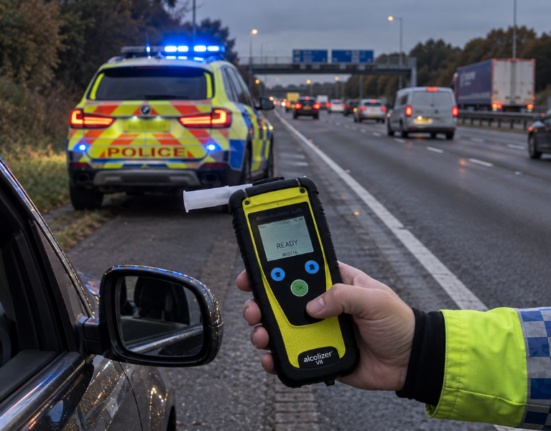
Trust, once the glue of public life, is dissolving. The police are accused of bias and incompetence. The media, fragmented and polarised, no longer provides a shared narrative. Even the monarchy – that most enduring of British institutions – faces questions about its relevance in a fractured society.
This corrosion of trust matters because once the public stops believing in the referee, the game itself collapses. A nation that does not believe its institutions will act fairly soon ceases to obey their rules.
The sound of simmering anger
History teaches us that revolutions rarely arrive with a bang. They creep, unnoticed, until suddenly the ground shifts beneath our feet.
The 1970s’ “winter of discontent” did not announce itself overnight; it built from years of strikes, inflation, and political paralysis.
Today’s Britain has echoes of that time – but with social media as an accelerant. Every frustration is magnified, every grievance amplified. A minor protest in a small town can become a national flashpoint within hours. The lid rattles ever louder.
What is to be done?
Boiling points are not inevitable. Pressure can be released – but it requires courage, vision, and honesty.
That means politicians level with the public about the scale of the challenge, rather than offering fairy tales. It means long-term thinking on housing, infrastructure, and energy, not short-term gimmicks. It means investing in hope as well as economics.
Britain’s story has always been one of resilience and reinvention. But reinvention is impossible without leadership.
The final whistle
So, is the UK at boiling point? Yes – but not in the melodramatic sense of riots on every street corner.
It is boiling in the way a neglected pot simmers, bubbles, and scorches until the kitchen fills with smoke. Anger is not erupting; it is seeping, corroding, eating away at the bonds that hold society together. Unless those in power hear the whistle and take the pot off the hob, Britain risks entering a lost decade defined not by crisis management but by permanent crisis itself.